

Chandelier
Senior Member (Voting Rights)
REM – predominant obstructive sleep apnea in adults with a history of COVID-19 infection: A case-control study
Calik, Ipek; Peker, Yüksel
Web | DOI | Sleep Medicine
Calik, Ipek; Peker, Yüksel
Highlights
- This was a case–control study of 304 adults with and without prior COVID-19.
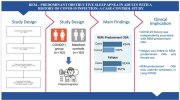
- OSA prevalence was lower but REM-predominant OSA was more frequent after COVID-19.
- COVID-19 history was independently associated with REM-predominant OSA.
- Fatigue was linked to REM-predominant OSA and female sex.
- REM-predominant OSA may underlie symptoms in Long-COVID.
Abstract
Study objectives
An association between COVID-19 and obstructive sleep apnea (OSA) has been reported in literature. We aimed to address the occurrence and phenotypes of OSA in adults with a history of COVID-19 infection and its possible association with long-COVID.Methods
In this matched case-control study, 152 individuals with a history of COVID-19 and 152 without were evaluated in a sleep laboratory. Groups were matched for age, sex, and body mass index. OSA was defined as an apnea-hypopnea index (AHI) ≥15/h. Rapid Eye Movement (REM)-predominant OSA was defined as AHI ≥15/h and REM-AHI/non-REM-AHI ≥2. Fatigue, reported as “frequent/very frequent,” was used as a surrogate marker of long-COVID.Results
The prevalence of OSA was significantly lower in the case group (50.0 %) compared to the control group (77.6 %) (p < 0.001). However, 36 cases (47.4 %) exhibited REM-predominant OSA while 21 controls (17.8 %) demonstrated this phenotype (p < 0.001). In a multiple logistic regression analysis, there was a significant correlation between prior COVID-19 infection and the occurrence of REM-predominant OSA (Odds ratio [OR] 3.14; 95 % confidence interval [CI] 1.89–5.25; p < 0.001). Fatigue was observed in 52.8 % of patients with REM-predominant OSA and 35.7 % of patients without REM-predominant OSA (p = 0.033). In the entire cohort, the factors determining the fatigue were female sex (OR 2.02; 95 % CI 1.12–3.64, p = 0.019) and REM-predominant OSA (OR 2.18; 95 % CI 1.29–3.69; p = 0.004).Conclusions
REM-predominant OSA is highly prevalent among individuals with prior COVID-19 infection and is significantly associated with fatigue, underscoring the need to recognize this phenotype in the evaluation and management of Long-COVID.Graphical abstract
Web | DOI | Sleep Medicine
