TiredMathematician
Established Member (Voting Rights)
A Short-Term Pacing Intervention in People with Myalgic Encephalomyelitis/Chronic Fatigue Syndrome: A Pilot Study in Portugal
Abstract
Background and Objectives: Myalgic Encephalomyelitis/Chronic Fatigue Syndrome (ME/CFS) remains a disease without a curative treatment. Hence, patient healthcare is mostly based on symptom management and the application of coping strategies, such as pacing. In this strategy, patients learn how to plan their daily physical and cognitive activities according to their perceived energy reservoir (or envelop). However, there is currently no evidence for the feasibility of pacing in Portugal, where ME/CFS is not well recognized.
Materials and Methods: We implemented a 8-week pacing program in Portuguese patients with an official diagnosis of ME/CFS. We focused on recruitment feasibility, protocol adherence, and patient acceptability, with secondary exploratory analysis of pre- and post-intervention variations in the Chalder’s fatigue questionnaire and SF36 physical functioning scores.
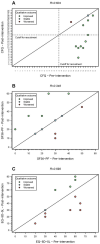
Results: We were able to recruit thirteen patients for the study. The patients attended, on average, seven out of the eight sessions expected per participant, with the majority adhering to the research protocol (n=7;53.8%). In a post-intervention survey, the respondents (n=10) considered that the intervention addressed the specific needs of people living with ME/CFS. Concerning the outcome trends, the average fatigue score decreased from 27.5 at baseline to 17.7 after the intervention. The mean physical functioning score increased from 24.6 to 31.7.
Conclusions: This exploratory study supported the feasibility of benchmark studies in Portugal with increased sample size, longer interventions, and including a control group (e.g., specialized medical care), with which eventual placebo effects can be better accounted for.
Web | DOI | Medicina
Ribeiro, Vânia; Azevedo, Paulo; Westermeier, Francisco; Sepúlveda, Nuno
Abstract
Background and Objectives: Myalgic Encephalomyelitis/Chronic Fatigue Syndrome (ME/CFS) remains a disease without a curative treatment. Hence, patient healthcare is mostly based on symptom management and the application of coping strategies, such as pacing. In this strategy, patients learn how to plan their daily physical and cognitive activities according to their perceived energy reservoir (or envelop). However, there is currently no evidence for the feasibility of pacing in Portugal, where ME/CFS is not well recognized.
Materials and Methods: We implemented a 8-week pacing program in Portuguese patients with an official diagnosis of ME/CFS. We focused on recruitment feasibility, protocol adherence, and patient acceptability, with secondary exploratory analysis of pre- and post-intervention variations in the Chalder’s fatigue questionnaire and SF36 physical functioning scores.
Results: We were able to recruit thirteen patients for the study. The patients attended, on average, seven out of the eight sessions expected per participant, with the majority adhering to the research protocol (n=7;53.8%). In a post-intervention survey, the respondents (n=10) considered that the intervention addressed the specific needs of people living with ME/CFS. Concerning the outcome trends, the average fatigue score decreased from 27.5 at baseline to 17.7 after the intervention. The mean physical functioning score increased from 24.6 to 31.7.
Conclusions: This exploratory study supported the feasibility of benchmark studies in Portugal with increased sample size, longer interventions, and including a control group (e.g., specialized medical care), with which eventual placebo effects can be better accounted for.
Web | DOI | Medicina
Last edited: