Official title
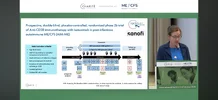
Prospective, Randomized, Double-blind, Placebo-controlled Phase 2b Trial Evaluating the Efficacy and Safety of the Anti-CD19 Monoclonal Antibody Inebilizumab Compared With Placebo in Patients With Post-acute Infection Syndromes Fulfilling ME/CFS Criteria (PIONEER)
Brief summary
Post-acute infection syndromes (PAIS) are long-lasting health problems that can develop after an infection. They include post-COVID-19 syndrome and similar illnesses following other infections. Some people with PAIS develop myalgic encephalomyelitis/chronic fatigue syndrome (ME/CFS), a serious and disabling illness that can greatly limit everyday activities. People with ME/CFS may experience severe fatigue, reduced physical and mental function, pain, sleep problems, and problems with the regulation of heart rate and blood pressure. A key feature is post-exertional malaise (PEM), in which symptoms become worse after physical or mental activity. The biological causes of PAIS and ME/CFS are not fully understood, and there is currently no established treatment that targets the underlying disease process.
Research suggests that changes in the immune system may contribute to PAIS and ME/CFS in some patients. In particular, B cells (a type of immune cell) and autoantibodies (antibodies that react with the body's own structures) may play a role. Previous studies of immunoadsorption, a procedure that removes antibodies from the blood, have shown improvements in some patients with ME/CFS. These findings support further investigation of treatments that target B cells in selected patients.
The PIONEER_PAIS study will investigate whether inebilizumab can improve physical function in adults with PAIS who meet the diagnostic criteria for ME/CFS. The study includes a selected group of patients with evidence of autoantibodies and immune activation who previously improved after immunoadsorption but later experienced worsening of their symptoms. Inebilizumab is a monoclonal antibody that targets CD19, a protein found on B cells, and leads to the depletion of these cells.
Participants will be randomly assigned to receive either inebilizumab or placebo (saline solution) as an infusion into a vein. Inebilizumab will be given at a dose of 300 mg on Day 1, Day 15, and Week 24. The study is double-blind, meaning that neither the participants nor the study team assessing them will know which treatment they receive.
The main research question is whether treatment with inebilizumab leads to a greater improvement in physical function (PF) than placebo. PF will be measured using the PF scale of the SF-36 health questionnaire, comparing the change from the start of the study to Month 9 (Week 36).
The study will also examine other aspects of health and daily functioning, including fatigue, post-exertional malaise, pain and headache, disability, symptoms related to the autonomic nervous system, muscle strength and fatigability, heart rate and blood pressure responses during standing, daily step count, and cognitive function. Adverse events will be monitored to assess the safety of the treatment. In addition, the study includes biomarker research focusing on B cells, autoantibodies, and other markers in the blood.
This research aims to explore biological characteristics that may be associated with response to treatment and may help inform future studies of B-cell-targeted treatment in PAIS and ME/CFS.
Inclusion criteria
Drug: Inebilizumab
Primary outcome measure
Enrollment (Estimated)
38
Study Completion (Estimated)
2029-03-01
Registration
https://clinicaltrials.gov/study/NCT07724834
Prospective, Randomized, Double-blind, Placebo-controlled Phase 2b Trial Evaluating the Efficacy and Safety of the Anti-CD19 Monoclonal Antibody Inebilizumab Compared With Placebo in Patients With Post-acute Infection Syndromes Fulfilling ME/CFS Criteria (PIONEER)
Brief summary
Post-acute infection syndromes (PAIS) are long-lasting health problems that can develop after an infection. They include post-COVID-19 syndrome and similar illnesses following other infections. Some people with PAIS develop myalgic encephalomyelitis/chronic fatigue syndrome (ME/CFS), a serious and disabling illness that can greatly limit everyday activities. People with ME/CFS may experience severe fatigue, reduced physical and mental function, pain, sleep problems, and problems with the regulation of heart rate and blood pressure. A key feature is post-exertional malaise (PEM), in which symptoms become worse after physical or mental activity. The biological causes of PAIS and ME/CFS are not fully understood, and there is currently no established treatment that targets the underlying disease process.
Research suggests that changes in the immune system may contribute to PAIS and ME/CFS in some patients. In particular, B cells (a type of immune cell) and autoantibodies (antibodies that react with the body's own structures) may play a role. Previous studies of immunoadsorption, a procedure that removes antibodies from the blood, have shown improvements in some patients with ME/CFS. These findings support further investigation of treatments that target B cells in selected patients.
The PIONEER_PAIS study will investigate whether inebilizumab can improve physical function in adults with PAIS who meet the diagnostic criteria for ME/CFS. The study includes a selected group of patients with evidence of autoantibodies and immune activation who previously improved after immunoadsorption but later experienced worsening of their symptoms. Inebilizumab is a monoclonal antibody that targets CD19, a protein found on B cells, and leads to the depletion of these cells.
Participants will be randomly assigned to receive either inebilizumab or placebo (saline solution) as an infusion into a vein. Inebilizumab will be given at a dose of 300 mg on Day 1, Day 15, and Week 24. The study is double-blind, meaning that neither the participants nor the study team assessing them will know which treatment they receive.
The main research question is whether treatment with inebilizumab leads to a greater improvement in physical function (PF) than placebo. PF will be measured using the PF scale of the SF-36 health questionnaire, comparing the change from the start of the study to Month 9 (Week 36).
The study will also examine other aspects of health and daily functioning, including fatigue, post-exertional malaise, pain and headache, disability, symptoms related to the autonomic nervous system, muscle strength and fatigability, heart rate and blood pressure responses during standing, daily step count, and cognitive function. Adverse events will be monitored to assess the safety of the treatment. In addition, the study includes biomarker research focusing on B cells, autoantibodies, and other markers in the blood.
This research aims to explore biological characteristics that may be associated with response to treatment and may help inform future studies of B-cell-targeted treatment in PAIS and ME/CFS.
Inclusion criteria
- Male/female/diverse adults who are 18-65 years old at time of enrollment
- Subject is able and willing to give informed consent
- Signed informed consent prior to initiation of any trial related measure
- Diagnosis of PAIS as defined by WHO for PCS, wi th other infectious triggers
- Diagnosis of ME/CFS according to CCC criteria with PEM > 14 hours = PAIS/CFS
- Detection of autoantibodies (elevated ß2R adrenergic AAB) prior to immunoadsorption or prior to inclusion to PIONEER
- Pre-treatment with immunoadsorption in the immunoadsorption studies at least 6 months before study inclusion
- Documented clinical response to immunoadsorption (minimum increase in SF-36 PF of 10 points at week 8) followed by consecutive worsening of symptoms (minimum decrease in SF-36 PF of 10 points for at least 3 months)
- Evidence of activated pro inflammatory immune cell status
- Bell score at screening visit: 30-60
- Normal thyroid function or sufficiently medicated dysfunction
- For women of childbearing potential (WOCBP):
- Confirmed post-menopausal state, defined as amenorrhea for at least 12 months, or
- If being of childbearing potential: Negative highly sensitive urine or serum pregnancy test before randomization, and practicing a highly effective birth control method (failure rate of less than 1%)
Drug: Inebilizumab
- The treatment period comprises three intravenous administrations of 300 mg inebilizumab: on Day 1, Day 15, and after 6 months, followed by a 3-months follow-up period. Each infusion will be preceded by a premediaction (methylprednisolone 125 mg, dimetindene maleate 4 mg, and paracetamol 500 mg) to reduce the risk of infusion-related reactions.
- Other Names:
- Anti-CD19 monoclonal antibody
- The treatment period comprises three intravenous placebo administrations: on Day 1, Day 15, and after 6 months, followed by a 3-month follow-up period. To maintain blinding, each placebo infusion is preceded by the same premedication (methylprednisolone 125 mg, dimetindene maleate 4 mg, and paracetamol 500 mg) as the inebilizumab infusion.
- Other Names:
- Saline solution (0.9% sodium chloride solution)
Primary outcome measure
- Improvement in Physical Function (PF) as measured by the Short Form 36 Health Survey Questionnaire (SF-36) comparing Inebilizumabwith placebo
- 9 months (36 weeks) after first IMP administration
Enrollment (Estimated)
38
Study Completion (Estimated)
2029-03-01
Registration
https://clinicaltrials.gov/study/NCT07724834
Last edited: