Disrupted fluid homeostasis in patients with post-Covid-19 syndrome – a case series
The post-covid-syndrome (PCS) is characterized by severe persisting fatigue and other long haul symptoms following COVID-19 infection. Disease-driving mechanisms are elusive, biomarkers are missing, treatment options few, and yet millions of people worldwide are affected. We hypothesized that the common complaint of polydipsia/polyuria and its attendant effect on osmolality can be quantified and identified as an unrecognized clinical feature of the PCS.
We conducted a clinical case series of 10 consecutive patients with PCS (5 females, 5 males; mean age 44 ± 14 y) who completed questionnaires covering health status, quality-of-life and post-covid symptoms. Detailed anamnestic work-up and clinical assessment were performed, and serum and urine osmolality (S-osm, U-osm) were determined after overnight fasting and fluid deprivation.
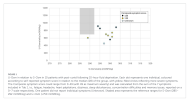
Polydipsia and/or polyuria were reported by 7 patients, and measures of osmolality were abnormal in all 10 individuals. S-osm was above the reference range (285–292 mOsm/kg) in 9/10 patients (mean 298 ± 4), and U-osm was below the reference (>750 mOsm/kg) in 7/10 patients (mean 707 ± 149). The combination of high serum and low urine osmolality (n=6) was associated with poorer health status, when compared to single abnormality only (n=4). Signs of connective tissue disorders were common among participants, as were previous head-and-neck traumas and activities associated with myofascial distension.
Data from this uncontrolled limited sized case series suggests disrupted fluid homeostasis as an unrecognized clinical feature of the PCS. The objective findings of high serum and low urine osmolality are candidates for diagnostic biomarkers as well as potential therapeutic targets and outcome measures.
Web | DOI | PDF | Frontiers in Endocrinology | Open Access
Huhmar, Helena; Bertilson, Bo C; Polo, Olli; Bragée, Björn; Sjögren, Per
The post-covid-syndrome (PCS) is characterized by severe persisting fatigue and other long haul symptoms following COVID-19 infection. Disease-driving mechanisms are elusive, biomarkers are missing, treatment options few, and yet millions of people worldwide are affected. We hypothesized that the common complaint of polydipsia/polyuria and its attendant effect on osmolality can be quantified and identified as an unrecognized clinical feature of the PCS.
We conducted a clinical case series of 10 consecutive patients with PCS (5 females, 5 males; mean age 44 ± 14 y) who completed questionnaires covering health status, quality-of-life and post-covid symptoms. Detailed anamnestic work-up and clinical assessment were performed, and serum and urine osmolality (S-osm, U-osm) were determined after overnight fasting and fluid deprivation.
Polydipsia and/or polyuria were reported by 7 patients, and measures of osmolality were abnormal in all 10 individuals. S-osm was above the reference range (285–292 mOsm/kg) in 9/10 patients (mean 298 ± 4), and U-osm was below the reference (>750 mOsm/kg) in 7/10 patients (mean 707 ± 149). The combination of high serum and low urine osmolality (n=6) was associated with poorer health status, when compared to single abnormality only (n=4). Signs of connective tissue disorders were common among participants, as were previous head-and-neck traumas and activities associated with myofascial distension.
Data from this uncontrolled limited sized case series suggests disrupted fluid homeostasis as an unrecognized clinical feature of the PCS. The objective findings of high serum and low urine osmolality are candidates for diagnostic biomarkers as well as potential therapeutic targets and outcome measures.
Web | DOI | PDF | Frontiers in Endocrinology | Open Access