ME/CFS Skeptic - How many scientific papers are fake?

I asked another scientist how they tell if a paper is worth reading or not. They said they go straight to the data and plots and you can tell very quickly. They also said they will always read a paper and trust the data from labs/teams they know and trust. I think they mentioned Dr Hanson as an example.
Interesting that you mention data here, and not anything else. I’ve seen so many «guides» on how to read papers that are about trying to understand what the authors intended to convey.

As a non-researcher, I’ve come to treat everything in a paper as marketing at best, propaganda at worst, unless proven otherwise.
 
What's amazing is that those reports never include any of the junk pseudoscience creeping all over medicine, so they massively underestimate the problem. You could probably include 80% of psychology in it as well. And that's probably an underestimate as well.

Even worse is that even if, somehow, something were to be done about it, this junk pseudoscience would escape all reforms, there is too much sunk cost involved, too much embarrassment would follow, most importantly: way too much demand, even desire, for it.

One of so many reasons why we can't have nice things.
 
The other day I met a psychology student who told me a positive attitude improves survival of cancer patients.
This happened to me. Back in 2020 a mental health worker told me that severe ME is like being stuck down a well and you've got to want to get better. She told me that cancer patients are more likely to survive if they have an optimistic outlook. When I e-mailed her to ask her for evidence for her claims she refused to provide any.

I've been to scared to see any mental health workers since because they are obviously quacks and the risk of getting sectioned again is too high for no benefit.
 
There are som ME/CFS Science blogs about the psychosomatic history of cancer (and other diagnoses) as well, but a psychologist might find those less credible than a paper..

 
(Paywalled)

Ai Summary:
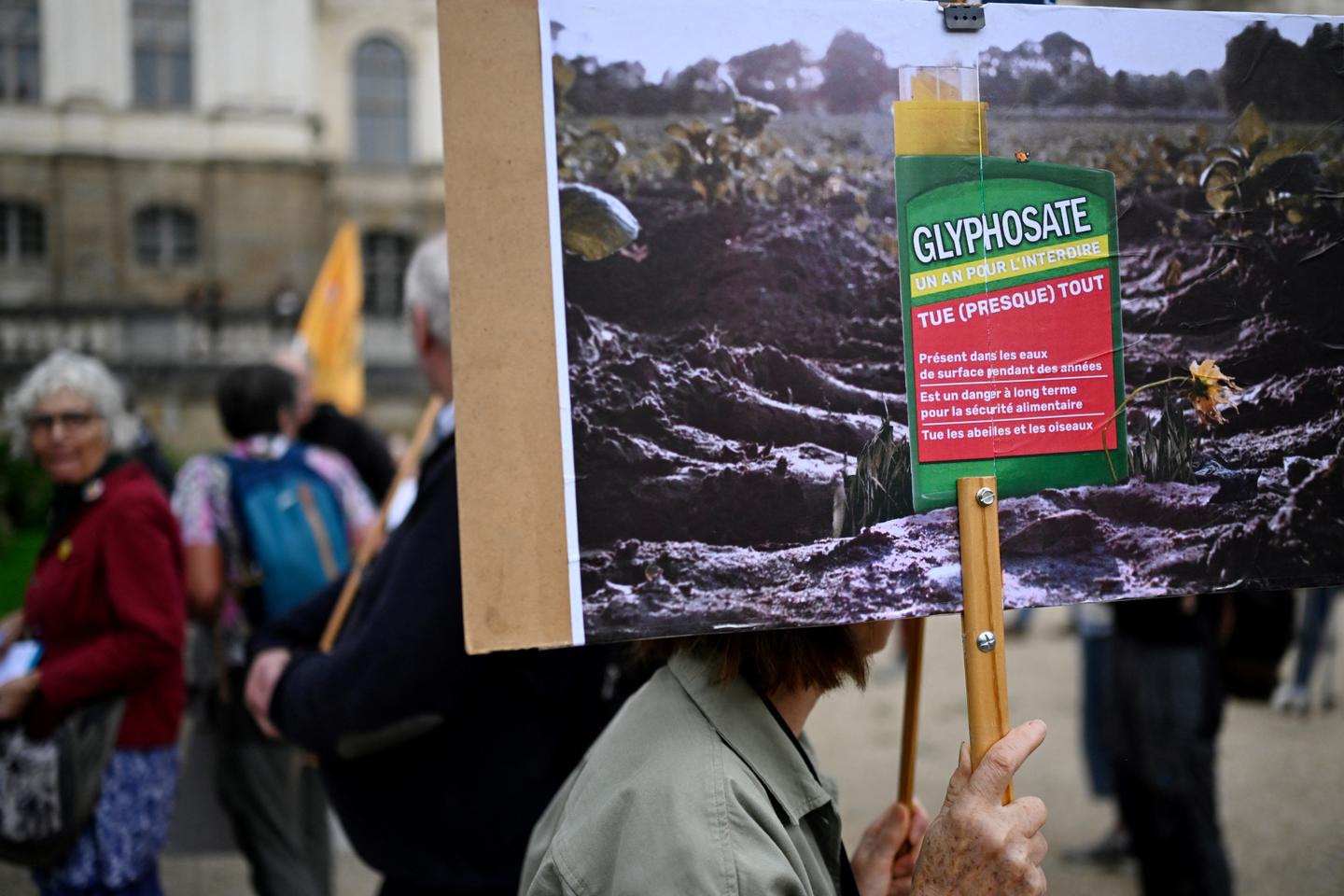
Influential study on glyphosate safety retracted
Key paper withdrawn 25 years after publication
Journal cites ghostwriting and ethical violations


A 2000 article claiming glyphosate was safe has been retracted for critical issues undermining its academic integrity. The journal found Monsanto employees likely wrote the text while listed scientists merely signed it, a practice known as ghostwriting. The authors also failed to disclose compensation from Monsanto.

The article omitted several chronic toxicity and carcinogenicity studies, casting doubt on its conclusions. Suspicion of ghostwriting was confirmed by internal Monsanto emails from 2015 referencing the paper as a precedent. Despite public revelations in 2017, the retraction occurred only after a 2024 analysis showed the paper continued to influence scientific literature.

Researchers stressed that the study ranked among the most cited glyphosate papers and heavily shaped regulatory decisions, including European assessments leading to reauthorization in 2017.
 
There is a serious lack of information tools in academic publishing. All citations should be dynamic, such that a citation to a retracted paper should always been obviously pointed out. This is something the software industry has been effective at for decades, there are zero excuses for using methods from the time before printers in the digital age.

Even organizations that claim to do better at it, like Cochrane, don't bother, because if they did they couldn't do what they did to us. Academia is so oddly corrupt.
 
There is a serious lack of information tools in academic publishing. All citations should be dynamic, such that a citation to a retracted paper should always been obviously pointed out. This is something the software industry has been effective at for decades, there are zero excuses for using methods from the time before printers in the digital age.

Even organizations that claim to do better at it, like Cochrane, don't bother, because if they did they couldn't do what they did to us. Academia is so oddly corrupt.
GitScience would be nice, combined with PubPeer integrating and mandatory use of IDs for every author.

That would enable third parties to build trackers for number of publications, retractions, etc., and to easily make relationship maps to demonstrate how detached from reality certain groups are.
 
I never really understood basing on citations I see a lot of papers cited specifically to critique them. I mean for example PACE must’ve gotten a couple dozen critique citations at minimum.
Yeah this is something so basic and yet it falls completely flat because searing criticism counts as a thumbs up while all the details get lost unless someone does a deep dive. The whole system looks like a giant mess to my programmer experience, it fails in so many ways it's impossible to understand why it can't be changed outside of tradition. The thinking has not changed from the days before everything was on paper. It's like health care running on faxes, except not even that advanced.

All this stuff is extremely basic and obvious so the only reason why it's not happening is politics overruling the academic. Same reason why the methods in clinical psychology can't change despite being obviously broken. The failure is a feature, not a bug.
 
Yes, the limits of current citation system cause so much harm. That whole Covid-19-is-airborne debacle, where a misreading of mid-1900s research on tuberculosis was turned via a game of telephone into confidently wrong dogma about how respiratory viruses spread, is always the first example in my mind. (Found a pdf of the paywalled wired article on this, if anyone's curious).

I wish the culture was such that even well known, widely accepted facts required a solid citation.
 
Back
Top Bottom