Miscellaneous Research Thread

Mushroom behind 'tiny people' hallucinations identified​

People in communities thousands of miles apart have described the same strange experience after eating a mysterious mushroom: vivid visions of tiny humans moving through and interacting with the physical world around them.
Known as Lilliputian hallucinations—a reference to the 6-inch-tall inhabitants of "Gulliver's Travels"—the phenomenon has long been thought to stem from cultural influences rather than biology.

A new study suggests otherwise.

Using DNA sequencing, University of Utah (U) researchers confirmed that a single mushroom species, Lanmaoa asiatica, is responsible for these hallucinations in Southwest China and the northern Philippines.

They also discovered that the mushroom contains none of the psychoactive compounds known to science, including psilocybin.
Instead, the findings point to an entirely new hallucinogenic compound that could offer new insights into neurological disease and how the brain shapes perception and consciousness.

Phylogenomic systematics of Lanmaoa (Boletaceae) reveals cryptic diversity, resolves global evolutionary relationships, and suggests a novel psychoactive lineage, 2026, Domnauer et al

Phylogenomic systematics of Lanmaoa (Boletaceae) reveals cryptic diversity, resolves global evolutionary relationships, and suggests a novel psychoactive lineage

Domnauer, Colin; Dentinger, Bryn T. M.

Abstract
The genus Lanmaoa is a globally distributed, economically important group of mushroom-forming fungi in the family Boletaceae containing edible and psychoactive species. Despite the growing interest in its hallucinogenic properties, the fundamental systematics of this genus remains poorly resolved due to limited taxon sampling and limited genetic characterization. This study combines a comprehensive sampling of all Lanmaoa species, including 21 type specimens, with whole genome sequencing of 53 specimens. A phylogeny of Lanmaoa is generated based upon an alignment of 1515 single-copy orthologs and recovers full statistical support at all major nodes, resolving evolutionary relationships in the genus. Phylogenomic analysis of previously unsequenced type specimens supports several taxonomic changes, including six novel combinations and the discovery of four novel species, two of which are described here—Lanmaoa fallax, sp. nov. and Lanmaoa carbonilivor, sp. nov.—resulting in a total recognition of 17 species in the genus. Genome mining of Lanmaoa asiatica fails to detect canonical biosynthetic genes associated with psilocybin or ibotenic acid production, suggesting the presence of a novel psychoactive compound. This study establishes a comprehensive genomic foundation for Lanmaoa systematics, enabling future research to more robustly explore the evolutionary history and secondary chemistry of the genus.

Web | DOI | PDF | Mycologia | Paywall
 
Impact of the Ultra Low Emission Zone on lung function growth in children in London, UK: a prospective parallel cohort study (2026)

BACKGROUND
Traffic-related air pollution is a risk factor for lung disease and early mortality. Clean air zones are public health policy interventions used to reduce traffic-related air pollution in urban areas, but evidence of their health benefits is limited. We describe a natural experiment study evaluating the impact of the Ultra Low Emission Zone (ULEZ) in London, UK. The primary aim was to assess the impact of the ULEZ on children's lung function growth trajectories, by comparing forced expiratory volume in 1 s (FEV1) measurements over 5 years between children in London and Luton, UK.

METHODS
The Children's Health in London and Luton (CHILL) study is a prospective, two-arm, parallel cohort study. We recruited children aged 6–9 years from primary schools in central London (the original area of the ULEZ implementation) and Luton (a comparator site with no clean air zone). Children were excluded if they had symptoms of lung disease (excluding asthma) or learning or physical disabilities preventing them from giving informed assent. Lung function was measured by spirometry at annual school visits at baseline (before ULEZ implementation) and over the following 4 years. Annual residential exposures to nitrogen dioxide (NO2) and particulate matter with aerodynamic diameters of less than 10 μm (PM10) and less than 2·5 μm (PM2·5) were estimated at each child's home address at 20 m2 resolution using a validated dispersion modelling system. The primary outcome was the annual rate of lung function growth, measured as post-bronchodilator FEV1 over the 5-year study period. We assessed growth trajectories against individualised residential exposure to NO2, PM10, and PM2·5. We used mixed-effects linear regression to compare lung function growth between London and Luton and to examine associations between air pollution exposures and lung growth.

FINDINGS
Of 122 schools approached, 84 (69%) agreed to participate (44 schools in London; 40 schools in Luton). Of 9419 children invited, we recruited 3414 children (1664 in London and 1750 in Luton) between June 5, 2018, and April 4, 2019, before ULEZ implementation. 3209 (94·0%) of 3414 children were included in the FEV1 analysis (1557 children in London, 1652 children in Luton). Children were similar across the two sites in terms of age, height, and weight, with a higher proportion of girls in London (867 [56%] of 1557) than in Luton (809 [49%] of 1652). Baseline adjusted FEV1 was lower in London than Luton (difference –38 mL, 95% CI –58 to –18; p=0·0002). At baseline, children's modelled annual exposures to NO2, the pollutant most reflective of exhaust emissions, were 18·95 μg/m3 (95% CI 18·51 to 19·38; p1 growth increased by 10 mL/year (95% CI 5 to 15; p=0·0002) more in London than in Luton (233 mL/year vs 223 mL/year), with modelled residential exposures to NO2 decreasing faster in London than in Luton (decreases of –3·77 μg/m3 per year in London vs –1·77 μg/m3 per year in Luton; p1 reached parity across sites: 2283 mL (2207 to 2354) in London; 2282 mL (2185 to 2376) in Luton. The proportion of children with clinically impaired lung function fell from 184 (14%) of 1280 children to 51 (9%) of 585 children in London, and from 126 (9%) of 1339 children to 41 (7%) of 606 children in Luton.

INTERPRETATION
Introduction of the London ULEZ was associated with improved lung function growth trajectories in children in London compared with children in Luton, suggesting that previous deficits in lung development were restored. This evidence supports wider implementation of clean air zones as a public health intervention.

FUNDING
National Institute for Health and Care Research and Natural Environment Research Council UK Research and Innovation.

Web | PDF | The Lancet Public Health | Open Access
 
Temporal and disproportionality analysis of vaccine-associated Guillain-Barré syndrome: a 21-year VAERS study, 2026, Su et al

Su, Yonglong; Huang, Yirong; Pan, Lili; Fu, Honghong; Wang, Xun

Abstract​

Background:

Guillain-Barré syndrome (GBS) remains a critical vaccine safety concern. We conducted a comprehensive pharmacovigilance analysis of 21-year VAERS data to identify vaccine-GBS disproportionality signals and temporal patterns.

Methods:

We analyzed 9,755,435 VAERS reports (2004–2024) including 2,216 GBS cases using four disproportionality algorithms (ROR, PRR, IC, EBGM). Time-to-onset was compared between 1,534 GBS and 120,763 non-GBS events using Kaplan–Meier analysis.

Results:

Twenty-six vaccines met all four algorithm criteria, predominantly influenza formulations (19/26; RORs 2.4–8.5), validating historical surveillance observations. Novel signals emerged for both RSV vaccines (Arexvy ROR 3.01, Abrysvo ROR 6.82) and zoster vaccine (ROR 3.01), consistent with post-marketing estimates of 3–9 excess cases per million doses. COVID-19 vaccines showed no concordant signals despite established Janssen associations, reflecting denominator dilution from 7.89 million COVID-19 reports (81% of the database). GBS exhibited characteristic delayed onset—median 13 days (IQR 5–29) versus 0 days for non-GBS events (p < 0.001)—with 44.8% of cases occurring 8–30 days post-vaccination, the biologically plausible window for vaccine-triggered autoimmunity. Demographically, GBS reports showed male predominance (OR 2.4) and were overwhelmingly classified as serious outcomes compared with non-GBS reports (76.1% vs. 9.6%, p < 0.001); serious outcomes included death, life-threatening events, hospitalization (new or prolonged), or permanent disability.

Conclusion:

Multiple vaccines showed disproportionate GBS reporting signals with delayed temporal patterns consistent with biological plausibility; because these derive from passive surveillance, they are hypothesis-generating and do not establish causality. Despite rare associations, absolute risks (1–9 per million doses) are far outweighed by disease prevention benefits, supporting current vaccination policies with ongoing surveillance.

Web | DOI | PMC | PDF | Frontiers in Neurology | Open Access
 
A potential screening tool for small-fiber neuropathy.

The skin-wrinkling test: principles and clinical applications, 2026, Fustes et al.

Fustes, Otto Jesus Hernández; Kay, Cláudia Suemi Kamoi; Lorenzoni, Paulo José; Ducci, Renata Dal-Prá; Rodrigues, Paula Raquel do Vale Pascoal; Barsottini, Orlando Graziani Povoas; Scola, Rosana Herminia

Abstract
Cutaneous wrinkling is a normal phenomenon that occurs on the palms in a reversible manner and results from vasoconstriction influenced by vasomotor function.
It can be assessed through the skin-wrinkling test following water immersion, with the absence or reduction of wrinkling being associated with disorders affecting the dense network of sympathetic nerves in these regions.
The literature suggests that this test may serve as a screening tool for small-fiber neuropathy, particularly in settings in which biopsy is not available. It is a rapid, inexpensive, and easily-accessible test.
We herein review the principles of the skin-wrinkling test, its pathophysiology, and its clinical indications as a tool to evaluate the sympathetic component of the autonomic nervous system.


Web | DOI | PMC | PDF | Arquivos de Neuro-Psiquiatria | Open Access
 
In a Twitter thread about:
Autoimmune disease can look entirely psychiatric at onset.

Early presentations often mimic primary psychosis, mania or catatonia.

Here are 7 immune-driven brain changes every clinician should recognise

1: Blood–Brain Barrier Disruption

When the BBB becomes permeable, cytokines and antibodies gain access to the CNS.

This shift is an early feature of autoimmune encephalitis and neuropsychiatric SLE.

Clinically, it often appears as rapid behavioural deterioration with fluctuating alertness.


2: Microglial Overactivation

Microglia move into a pro-inflammatory state in response to infection, DAMPs or systemic inflammation.

Once activated, they disrupt synaptic functioning, producing agitation, cognitive slowing and affective instability.

Catatonia can emerge when this process becomes more diffuse.


3: Intrathecal B-Cell Activity

In an inflamed CNS, B cells survive and produce pathogenic antibodies such as anti-NMDA, GABA-B and LGI1.

This is why CSF testing is more sensitive than serum in suspected anti-NMDA encephalitis.


4: Synaptic Autoantibody Effects

Autoantibodies can alter receptor density and signalling.

In anti-NMDA encephalitis, they internalise NMDA receptors, reducing glutamatergic transmission.

This explains the progression from anxiety to psychosis to movement abnormalities and autonomic instability.


5: Network Dysfunction (Emerging Evidence)

Functional imaging shows early disruption in fronto-temporal and limbic circuits.

Patients may present with thought disorganisation, emotional dysregulation or reduced speech before clear neurological signs become visible.

This pattern is often misattributed to a primary psychiatric disorder.


6: Systemic Immune Signals Driving Neuropsychiatric Change

Fever, rash, arthralgia, thyroid autoimmunity, hyponatraemia or autonomic instability can all accompany psychiatric symptoms.

Any new psychiatric presentation with systemic inflammation should prompt consideration of an immune process.

Psych Scene Tip: Psychosis plus systemic inflammation is never routine.


7: Mixed Psychiatric–Neurological Syndromes

The combination of psychiatric features with seizures, cognitive decline, movement abnormalities or new speech change strongly suggests an underlying autoimmune mechanism.

Cross-domain involvement is central to modern AE diagnostic frameworks.

One user commented with a link to his humongous collection of infectious psychiatric pathology:
 
Keeping things in the right distance: Emotion triggers and regulation strategies of physicians, 2026, Uhrecký et al.

Uhrecký, Branislav; Baránková, Martina

Abstract
Mental health of healthcare workers has been in the spotlight since COVID-19 pandemic, but not enough research is focused on their coping or emotion regulation (ER) strategies.

We conducted 15 semi-structured interviews with physicians coming from various specializations and workplace environments and analyzed them via template analysis.
Negative emotion triggers were grouped into several bottom-up categories, while the hierarchical organization of ER strategies was informed by the process model of ER.

Our findings reveal uncooperative patients as the most significant trigger of negative emotions, but work overload, emotional labor, administrative duties, and relationships with colleagues are also significant.
Among ER strategies, we propose psychological distancing as a separate mechanism from cognitive (re)appraisal with its unique utility in helping professions.
Strategies across the whole spectrum, including situation selection/modification, attention management, and response modulation, are used by the physicians when performing their job.

Web | DOI | PDF | Journal of Health Psychology | Paywall
 
Our findings reveal uncooperative patients as the most significant trigger of negative emotions, but work overload, emotional labor, administrative duties, and relationships with colleagues are also significant.

So you need a degree to work that out these days, do you, along with the tens of thousands of debt to pay for it?

Was there a time when publishing stuff like this in a journal (as opposed to finding it scrawled across a flipchart sheet in the recycling bin) wouldn't have attracted ridicule?

Maybe I'm just imagining a time when the bleeding obvious didn't need to be stated.
 
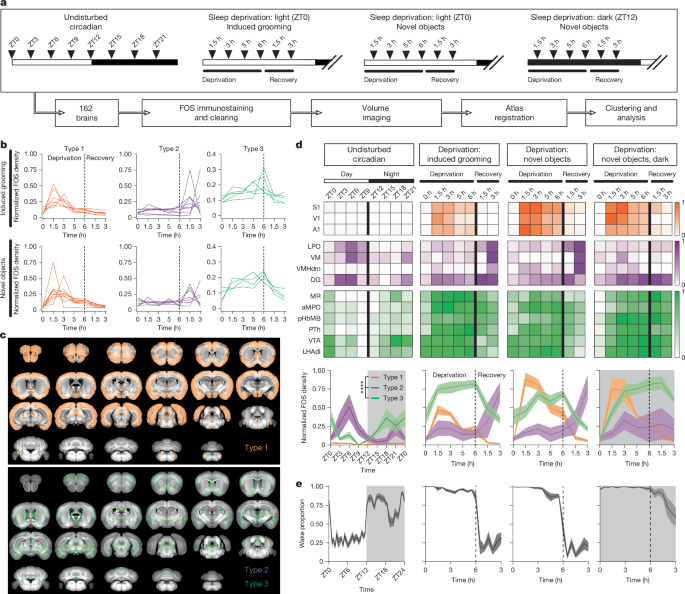
Wake-activated neuronal populations that regulate sleep drive

William Joo, Clare Diester, et al

Abstract

Prolonged wakefulness increases sleep drive and is normally compensated for by increased sleep. This homeostatic regulation of sleep shapes our lives profoundly, but the underlying neural circuit mechanisms remain poorly understood. Here, we identify wake-activated neurons that regulate sleep drive in mice, using whole-brain activity mapping, targeted neuronal manipulations and electrophysiology. By comparing whole-brain responses to sleep deprivation, recovery sleep and circadian behaviour, we identify the anterior medial preoptic area and the median raphe as candidate regions that encode sleep deficit. Activating sleep-deprivation-responsive cells in these regions induces increases in sleep duration and intensity that resemble recovery sleep. Conversely, inhibiting deprivation-responsive cells reduces sleep and abolishes the increased sleep propensity usually observed during deprivation. Neurons in the median raphe that are responsive to sleep deprivation project to subcortical sleep-associated regions and act through the preoptic hypothalamus. These deprivation-sensitive cells include serotonergic neurons and a distinct population of GABAergic neurons, whose intrinsic excitability increases during sleep deprivation. Co-activation of GABAergic and serotonergic neurons synergistically promotes sleep, whereas co-inhibition chronically decreases sleep by nearly 70%. Remarkably, most mice survive despite this marked reduction in sleep, without the compensatory increases in sleep drive or the behavioural deficits typically associated with severe sleep deprivation. Together, these results define neuronal populations that are activated during wakefulness and are crucial for sleep drive.

 
Preprint:
SARS-CoV-2 exhibited substantial inactivation at doses as low as 2.6 mJ/cm2, whereas the highest evaluated doses were 1,800 mJ/cm2 for C. difficile spores and 3600 mJ/cm2 for C. auris.

Defining Operational UV-C Dose Requirements for Autonomous Disinfection of Clinically Relevant Pathogens Across Healthcare and High-Touch Surfaces, 2026, Wu et al.
Wu, Isaac Kong Fan; Vajaria, Neel Ravi; Viruega, Luz Victoria Stam; Wisebourt, Evelyn; Solis-Reyes, Paul Fernando; Ryu, Kanghan; Ilasin, Elijah Ryan; Shi, Amy Yang; Friesen, Nicole Jasmine; Fariha, Khandaker Atkia; Barr, Stephen Dominic

Abstract
Background: Autonomous ultraviolet-C (UV-C) disinfection systems are increasingly used to supplement manual environmental cleaning, yet evidence-based guidance defining pathogen-specific UV-C dose requirements across representative surfaces remains limited.

Aim: To characterize operational UV-C dose requirements for clinically relevant pathogens across diverse high-touch and healthcare surfaces and determine how experimentally derived microbial inactivation can inform operational exposure parameters.

Methods: SARS-CoV-2, adenovirus, Pseudomonas aeruginosa, Staphylococcus aureus, Klebsiella pneumoniae, Enterococcus faecalis, Candida auris, and Clostridioides difficile spores were exposed to defined UV-C doses on representative high-touch materials or stainless steel under standardized conditions, including a 10% fetal bovine serum organic soil challenge.
Microbial inactivation was quantified by viable recovery.
Dose-response analysis and operational modelling were used where supported by the experimental data.

Findings: UV-C exposure significantly reduced viable recovery of all pathogens, with substantial differences in the exposure conditions associated with microbial inactivation. SARS-CoV-2 exhibited substantial inactivation at doses as low as 2.6 mJ/cm2, whereas the highest evaluated doses were 1,800 mJ/cm2 for C. difficile spores and 3600 mJ/cm2 for C. auris.
For C. auris, multi-dose data estimated that approximately 1,410 mJ/cm2 was associated with a 2-log10 reference reduction, enabling distance-dependent exposure-time predictions.

Conclusion: Experimentally quantified UV-C exposures produced substantial microbial inactivation across diverse pathogen classes and surfaces.
Integrating delivered dose with microbial reduction provides a quantitative framework for translating laboratory efficacy into operational parameters for autonomous UV-C disinfection.


Web | DOI | bioRxiv
 
Patient and Caregiver Perspectives on Communication Quality in Tele-Palliative Care, 2026, Bandini et al.

Bandini, Julia I.; Li, Elaine; Kavalieratos, Dio; Ernecoff, Natalie C.; Curseen, Kimberly; Harrison, Jordan

Abstract
Background: Tele-palliative care has become a well-established practice following its rapid expansion in the outpatient setting during the COVID-19 pandemic. Despite sustained integration of tele-palliative care, questions remain about patients’ and family caregivers’ experiences with it and its potential impact on the quality of communication during palliative care visits. Objective: To qualitatively explore patient and family caregiver experiences with telehealth and in-person visits for outpatient palliative care, including preferences related to mode of care and any perceived differences in communication quality by mode in a post-pandemic context. Methods: We conducted semistructured interviews with 26 participants (15 patients and 11 family caregivers) receiving outpatient palliative care at one academic medical center in the southern United States. Results: Three themes emerged: (1) participants weighed convenience, symptom burden, and visit reason in choosing mode of care; (2) opinions differed on the authenticity of communication via telehealth; and (3) comfort and privacy shaped communication quality. Some patients and family caregivers perceived communication via telehealth as comparable to in-person care, while others felt in-person visits allowed for more authentic interactions. Many found that the convenience of telehealth outweighed any perceived differences in communication quality. In addition, some patients noted that without the option for telehealth, the benefits of an in-person palliative care visit may not have outweighed the travel burden. Conclusions: Telehealth can support high-quality communication and offer meaningful access for outpatient palliative care. A hybrid model of care provides a person-centered approach to meet the needs of patients with serious illness and their family caregivers.

Web | DOI | PDF | Journal of Palliative Medicine | Paywall
 
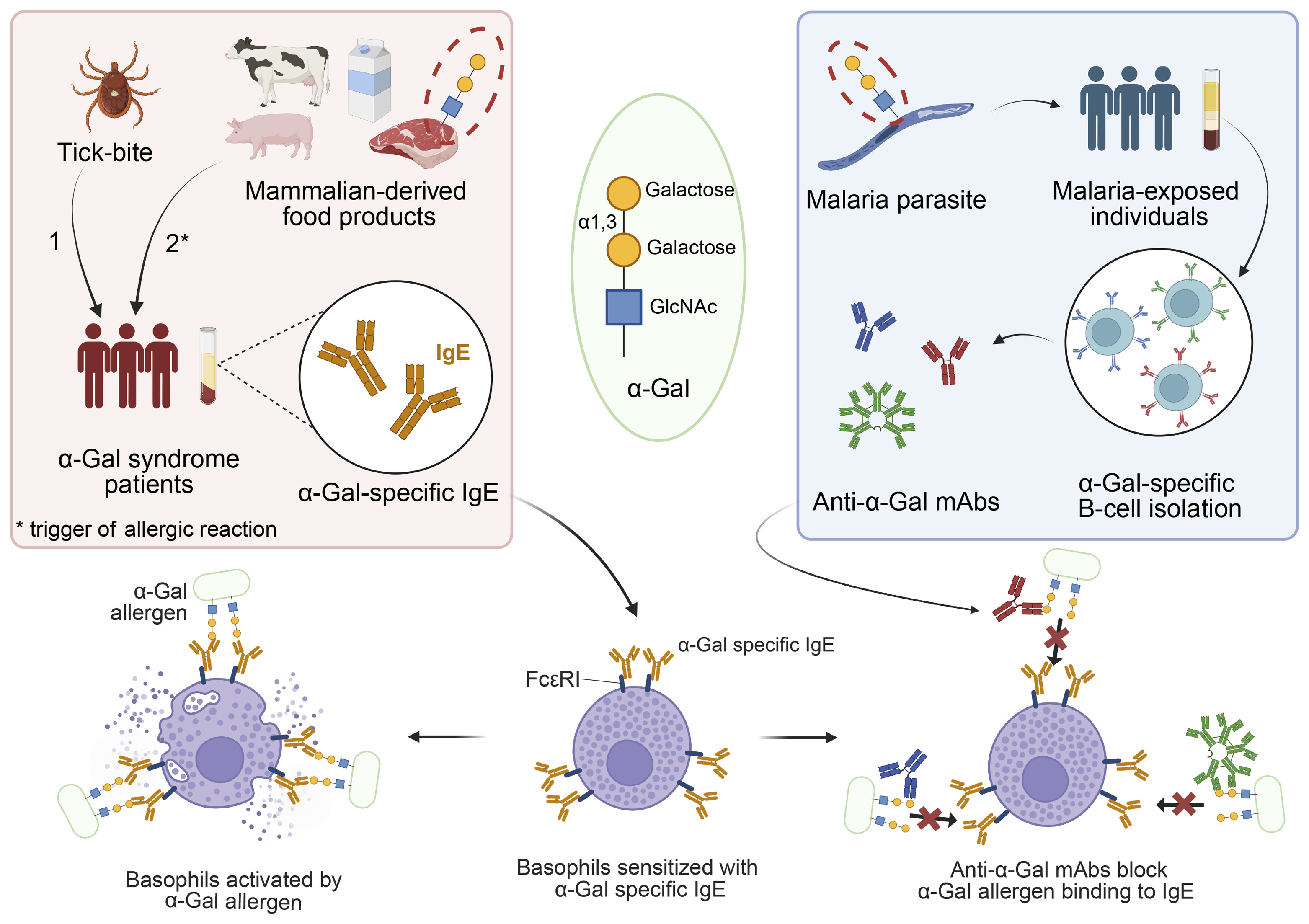
Human monoclonal antibodies targeting α-Gal restrict IgE engagement of α-Gal syndrome allergens, 2026, Cho et al

Cho, Hyeseon; Seo, Youngsil; Sohn, Haewon; Choudhary, Shailesh K.; Skinner, Jeff; Zhao, Ming; Krymskaya, Ludmila; Zhong, Weizhi; Lack, Justin; Li, Shanping; Traore, Boubacar; Tan, Joshua; Commins, Scott P.; Crompton, Peter D.

Abstract
Allergen-specific monoclonal antibodies (mAbs) that block IgE binding to allergens are emerging as new therapeutics for treating allergies to pollen, peanuts, and cats.
Alpha-Gal syndrome (AGS) is an allergy to galactose-α-1,3-Galactose (α-Gal), which is present in mammalian meat and tissue-derived products.

Initially aiming to identify mAbs targeting α-Gal on malaria parasites, we isolated 42 α-Gal–specific mAbs from B cells of individuals who had been exposed to malaria but found that they bound weakly to the Plasmodium falciparum parasite.
These mAbs predominantly used the IGHV3 gene family and had a wide range of mutation frequencies.
We then screened these mAbs for their ability to bind α-Gal on AGS allergens and to block the binding of serum IgE of patients with AGS to AGS allergens.
Thirteen mAbs bound to the AGS allergens angiotensin-I-converting enzyme (ACE), aminopeptidase-N (AP-N), and cetuximab, and 2 mAbs— AG028 as both IgA 2 and IgM, and AG050 IgA 1 — blocked the binding of serum IgE from patients with AGS to ACE and AP-N.
Additionally, AG028 IgA 2 and AG028 IgM suppressed ACE-mediated activation of basophils sensitized with serum of patients with AGS.
This study supports the development of α-Gal–specific mAbs as a new intervention to prevent α-Gal allergy.

Graphical abstract​

JCI192370.ga.jpg

Web | DOI | PMC | PDF | Journal of Clinical Investigation | Open Access
 
Lentiviral In Vivo CD19 CAR T-Cell Therapy in Neurologic Autoimmune Disorders

Cheng, Yu-Hang; Shang, Ke; Qin, Chuan; Dong, Ming-Hao; Chu, Yun-Hui; Huang, Ke; Mei, Zhi-Cheng; Xiao, Jun; Liang, Zi-Hao; Li, Yu-Hang; Wang, Wei; Tian, Dai-Shi

Abstract
Among 16 patients with refractory neurologic autoimmune disorders, lentiviral CD19 CAR T-cell therapy was associated with manageable side effects, complete B-cell depletion, and preliminary clinical improvement across disease groups.

Web | DOI | New England Journal of Medicine | Paywall
 
While querying some of the genetics databases / APIs months ago, back when many of us were excited about some of the results from DecodeME, I came across a couple of large population studies that had potentially relevant ME/CFS related loci:

trait myalgic encephalomeyelitis/chronic fatigue syndrome
efoId MONDO_0005404

rsId pValue neglog10P mappedGenes riskAllele study pubmedId
rs141691232 6e-13 12.22 LINC01419,TPM3P3 rs141691232-G GCST90480593 39024449
rs190241717 1e-11 11 HERPUD2,TBX20 rs190241717-G GCST90480593 39024449
rs189511601 3e-11 10.52 LRRC4C rs189511601-A GCST90480593 39024449
rs144973593 1e-08 8 ELAPOR2 rs144973593-? GCST90651508 40465716
rs72914217 1e-06 6 EPHA7 rs72914217-? GCST90104623 35318112
rs7221416 5e-06 5.301 SKAP1 rs7221416-? GCST90104623 35318112
rs11147812 9e-06 5.046 SUGT1P3,TPTE2P5 rs11147812-? GCST90104623 35318112
rs1858756 9e-06 5.046 ARSA,Y_RNA rs1858756-? GCST90104623 35318112
rs139894014 9e-06 5.046 KRTAP4-5,KRTAP4-6 rs139894014-? GCST90104623 35318112

PMID 35318112 is Hajdarevic et al, which we have discussed before; the results in the table above are suggestive associations that didn't pass the significance threshold.

The other two haven't been mentioned on the forum as far as I can tell; they are: (a) 39024449: Diversity and scale: Genetic architecture of 2068 traits in the VA Million Veteran Program; (b) 40465716: Diversity and longitudinal records: Genetic architecture of disease associations and polygenic risk in the Taiwanese Han population. The MVP signal was built from EHR diagnosis codes (PheCode 798.1) rather than ME/CFS diagnostic criteria; at a quick glance the MVP p-values cleared their threshold of P<4.6*10^-11. The Taiwanese study also used an EHR derived PheCode phenotype.

I haven't been able to take a good look at these studies & their data to see whether there was association / fine-mapping evidence (or to pursue the other ideas I had, or to do much else). I suspect the MVP variants may turn out to be artifact (rare variants with high OR on an EHR phenotype...). However, as searching the forum for those rsIDs & studies yields nothing, and I know a few people here have been interested in looking at even very weak evidence from the genetics - so, just dropping this here, & so searches will pick them up if they come up in future studies.

(* Yes, "myalgic encephalomyelitis" is misspelled "myalgic encephalomeyelitis" in an actual ontology [MONDO_0005404]. That's not the only ontology error I came across; the other one was that HP:0030973 has a spurious definition of PEM: it's classified 'is_a Exercise intolerance', it says PEM occurs occasionally in individuals with mitochondrial disorders and cancer related fatigue, and it misspells the word 'exacerbation' in the definition. I don't think we have a thread for ME/CFS in ontologies.)
 
Acute total sleep deprivation transiently increases plasma total tau but not plasma P-tau181 in healthy adults, 2026, Zhao et al.

Zhao, Beiyu; Wei, Meng; Shang, Suhang; Gao, Ling; Wei, Shan; Dang, Liangjun; Liu, Jie; Chen, Chen; Li, Yanbo; Wang, Jin; Gao, Fan; Qu, Qiumin

Abstract​

Background:
Sleep deprivation is a modifiable risk factor for Alzheimer’s disease (AD). Plasma amyloid-β (Aβ) and phosphorylated tau (P-tau) are closely related to cerebral AD pathology and serve as peripheral biomarkers. Our previous work showed that acute sleep deprivation elevated plasma Aβ40 in healthy adults. Here we conducted an exploratory analysis to examine the effects of sleep deprivation and subsequent recovery on plasma total tau (T-tau) and P-tau181 levels.

Methods:
Twenty healthy adults underwent 24 h of total sleep deprivation followed by daytime naps and a full night of recovery. Venous blood was drawn at 12 predefined time points. Plasma T-tau and P-tau181 were measured by enzyme-linked immunosorbent assay (ELISA).

Results:
Plasma T-tau increased by 35.09% (P = 0.018) after 24 h of sleep deprivation, and decreased by 37.78% (P = 0.005) after sleep recovery. The rise in T-tau was positively correlated with wakefulness duration (β = 0.629, P < 0.001). In contrast, no significant changes in plasma P-tau181 were detected with sleep deprivation or recovery under the present experimental conditions.

Conclusion:
Under an experimental protocol of 24-h sleep deprivation followed by recovery sleep, transient elevation of plasma T-tau (but not P-tau181) was observed in healthy young adults in this exploratory study. These findings indicate that conditions involving short-term sleep loss are associated with fluctuations in a nonspecific plasma marker of neuronal activity.

Web | DOI | PMC | PDF | Frontiers in Aging Neuroscience | Open Access
 
Back
Top Bottom