0:00
my supervisor to say, "My clinic is full of people I'm very concerned about. They
0:07
7 seconds
say they've had an infection. I can't find anything on tests, but they seem very they very fatigued. They can't do
0:15
15 seconds
anything. They seem very disabled, and I really feel we ought to be able to do something, but I've got nothing to offer."
0:23
23 seconds
Um, often the call from Medson is, "I'm desperate. I've got nothing to offer. Maybe you could do something, but okay, that's okay. let's work with that.
0:32
32 seconds
So the first thing I did um was to try and uh first thing I did actually before we even get that is I went and sat in
0:40
40 seconds
the clinic and I really think there's no substitution to just immersing yourself
0:47
47 seconds
in a clinical problem. I sat in his clinic. Then I started seeing some of the patients in my own clinic. And I did
0:55
55 seconds
lots of informal open-ended interviewing uh read about the subject just immersed myself in it. And one of the things that
1:03
1 minute, 3 seconds
became clear is we didn't have a good definition of this problem. So it's very hard to do research on something if you can't define what it is you're researching.
1:13
1 minute, 13 seconds
So uh with colleagues we set up a a meeting where we agreed across disciplines some definition of what this
1:22
1 minute, 22 seconds
problem was and a very simple definition rather like the definition of chronic pain. So fatigue was their main problem
1:30
1 minute, 30 seconds
and been there at least six months. They had lots of other symptoms uh and they the the physicians couldn't find any cause.
1:40
1 minute, 40 seconds
So we had a group of these people uh coming through the clinic. What's the next thing we want to do? Well, I had
1:49
1 minute, 49 seconds
some impressions from listening to them and we then went on to do more formal description in a qualitative study and
1:58
1 minute, 58 seconds
qualitative studies had their limitations but they're great at this stage to get a grip on the phenomenon.
2:06
2 minutes, 6 seconds
So uh these in-depth interviews that were then qualitatively analyzed found that these people even though their
2:13
2 minutes, 13 seconds
physicians couldn't find any bodily abnormality many of them or most of them believed that they had a physical
2:19
2 minutes, 19 seconds
illness that hasn't been found. They thought that if they did things and the symptoms got worse that indicated that
2:27
2 minutes, 27 seconds
physical illness getting worse and that was dangerous. and as an understandable result they limited activity and
2:34
2 minutes, 34 seconds
exercise. Um so this seemed to be the picture that was emerging. Um so that's
2:41
2 minutes, 41 seconds
interesting I thought but that's a small sample. So the next thing to do having got a qualitative handle is to get quantitative get into numbers.
2:52
2 minutes, 52 seconds
And so we did a uh I did a survey uh of a got the details of patients who had
3:00
3 minutes
been seen in this clinic with this diagnosis and sent them a questionnaire.
3:05
3 minutes, 5 seconds
And we got 144 uh questionnaires completed and amongst the questions was
3:13
3 minutes, 13 seconds
what they think the cause of the illness is, how do you cope with the illness and we found that not all but a large proportion of them felt that they had a
3:22
3 minutes, 22 seconds
medical condition and that many of them avoided things including exercise that they thought were making it worse like symptoms. Interestingly,
3:32
3 minutes, 32 seconds
uh, on the social bit of the biocschosocial,
3:36
3 minutes, 36 seconds
we found that if they were members of a patient organization, they seem to have a worse outcome. Beware, correlation
3:43
3 minutes, 43 seconds
doesn't mean cause, but that was an interesting association because it could be that being in a patient organization reinforces these thoughts about the illness.
3:55
3 minutes, 55 seconds
So, we've done some description. What are we going to do next? Well, is this specific? So, this was a study done with
4:05
4 minutes, 5 seconds
colleagues comparing the views about symptoms in a group of chronic fatigue patients with patients with depression,
4:14
4 minutes, 14 seconds
some people who were well, and some people had multiple sclerosis.
4:18
4 minutes, 18 seconds
And the idea that symptoms uh were evidence for physical illness was uh was
4:25
4 minutes, 25 seconds
very common in the chronic fatigue group, much more common than a depressed group or or indeed the healthy group and
4:33
4 minutes, 33 seconds
were at a similar level to those who had multiple sclerosis MS. So,
4:42
4 minutes, 42 seconds
it seems that we've got some idea that there's some kind of psychological and behavioral pattern here that's very
4:51
4 minutes, 51 seconds
common in this group. Um, how could this possibly contribute to their illness?
4:59
4 minutes, 59 seconds
And I hope you're familiar with this,
5:01
5 minutes, 1 second
but this is a kind of allpurpose biocschosocial model. So this reminds us to look at the biological, the
5:09
5 minutes, 9 seconds
psychological and the social. And really importantly it it encourages to think is why did the person get ill? What
5:17
5 minutes, 17 seconds
predisposed them? What may have triggered the illness precipitated it?
5:22
5 minutes, 22 seconds
And really interesting why have they not got better? What's keeping the illness going? Because mostly we get better from illnesses. If it were an infection for
5:30
5 minutes, 30 seconds
example, most of us get infections and get better.
5:35
5 minutes, 35 seconds
So you could start to sketch some things in. Uh some of these are just hypothetical.
5:41
5 minutes, 41 seconds
Uh maybe there's some genetic vulnerability.
5:44
5 minutes, 44 seconds
Maybe it's triggered by an infection or other illnesses in the biological line.
5:50
5 minutes, 50 seconds
And there's something physiological going on. We assume we now know a bit more than we did then about changes in
5:57
5 minutes, 57 seconds
brain functioning and sensitization to symptoms and so on.
6:01
6 minutes, 1 second
psychologically where we we were really quite interested because we're adding something here. We presume some kind of vulnerability. The patients often
6:10
6 minutes, 10 seconds
reported some stress at onset. Um but importantly, as you saw, we found that they tend to assume their symptoms
6:18
6 minutes, 18 seconds
reflect a disease. They're fearful of making it worse and they avoid.
6:23
6 minutes, 23 seconds
And socially, we again we we're sketching this in. We don't really know.
6:28
6 minutes, 28 seconds
the stresses are probably important and there's we we were seeing some evidence that learning a story of the
6:37
6 minutes, 37 seconds
illness a narrative from patient organizations seemed to reinforce the psychological and also we saw people
6:44
6 minutes, 44 seconds
who've been ill who clearly now were stuck in not having work and dependent on state benefits and so on. But the bit we're really interested in is this bit.
6:55
6 minutes, 55 seconds
So if you're going to understand a condition, you need to know the whole thing. If you want to treat it, it's
7:03
7 minutes, 3 seconds
only really the perpetuating that's important. It doesn't really matter what happened down here. What matters is what can we do about any of this. So can we
7:12
7 minutes, 12 seconds
do something? Can we see if we can change how the patients think about their symptoms, how fearful they are of them, and if they get more active again,
7:21
7 minutes, 21 seconds
because these people are very disabled by definition. Could this help?
7:27
7 minutes, 27 seconds
So this is just a kind of static model of the columns. But of course, as Engle said, these levels interact.
7:36
7 minutes, 36 seconds
So we developed a number of models. This is one of them that was that we published that had this idea that these
7:44
7 minutes, 44 seconds
these variables interact in vicious circles. So it isn't just you have the thinking, you have the behavior, and you
7:51
7 minutes, 51 seconds
have the the bodily state. The things interact and this is a slightly complicated one but it puts together believing a physical illness fearing
8:00
8 minutes
that symptoms mean harm therefore avoiding activity and in this case this was to explain the sauculillation get
8:10
8 minutes, 10 seconds
pressure builds up to do stuff pressure or pressure yourself to achieve stuff you do stuff you feel terrible you then
8:17
8 minutes, 17 seconds
go back to being inactive again and you're stuck in a vicious circle so a lot of these models have circles where
8:25
8 minutes, 25 seconds
the thinking affects the behavior, the behavior affects the the the the physical state and so on.
8:32
8 minutes, 32 seconds
So we can now start to sketch that these factors might interact to perpetuate the illness. So here's the acid test, the experiment.
8:42
8 minutes, 42 seconds
So I did a what by modern standards is an embarrassingly small randomized trial
8:49
8 minutes, 49 seconds
that was 30 patients a group and I and some psychologist colleagues treated them quite intensively with the form of
8:58
8 minutes, 58 seconds
CBT which um encouraged them to think about whether their symptoms really were
9:04
9 minutes, 4 seconds
dangerous and to try out very gradual increases in activity reducing avoidance
9:14
9 minutes, 14 seconds
That wasn't the only things going on in the therapy sessions, but that was the core we were trying to do. And we found quite dramatic improvements in their
9:22
9 minutes, 22 seconds
functioning compared to just people having ordinary follow-up.
9:26
9 minutes, 26 seconds
So this is what we call an efficacy trial or a proof of concept trial. It was done in ideal conditions. You can't
9:35
9 minutes, 35 seconds
go straight to the real world from this kind of thing. But it gave us the idea that these associations
9:42
9 minutes, 42 seconds
of beliefs and behaviors might be more than associations. They might actually be perpetuating because if we could
9:49
9 minutes, 49 seconds
change them, it seemed to change the illness.
9:54
9 minutes, 54 seconds
So some years later, I had an opportunity with colleagues to do what we'd call an effectiveness trial. So
10:02
10 minutes, 2 seconds
this is a big expensive trial. to 600 patients in multiple centers uh to see whether this kind of approach would work
10:11
10 minutes, 11 seconds
in the real world and this was published as the pace trial published in the Lancet and we found that interventions
10:20
10 minutes, 20 seconds
so there's four lines on each of these I'll explain them but the interventions that got people to rethink what their
10:28
10 minutes, 28 seconds
symptoms might mean and to become more active improve their functioning more than just
10:34
10 minutes, 34 seconds
usual medical care or staying within your limits, not worrying yourself with symptoms. And it's improved not just the functioning but also the fatigue.
10:45
10 minutes, 45 seconds
So here we see this is n to 12 months on the bottom. Whoops, sorry. And we see the active therapies that focused on
10:54
10 minutes, 54 seconds
behavior or focused on thinking, but both were essentially similar brought down the fatigue much more than usual
11:02
11 minutes, 2 seconds
care or being told to be pace to pace to live within your limits. And similarly,
11:08
11 minutes, 8 seconds
the physical function had the same pattern. The function improved in those who had the more active treatments and more than it did in those who had usual care.
11:18
11 minutes, 18 seconds
So there it looks like we now have enough evidence in this journey from starting in that clinic to have a useful
11:26
11 minutes, 26 seconds
treatment that that might people might be able to use. But of course research doesn't stop there. You really need
11:34
11 minutes, 34 seconds
other people to confirm that this is a finding. There's a big problem in psychology research as you know a findings not been replicated.
11:44
11 minutes, 44 seconds
So this particular finding has been replicated in multiple countries and multiple trials and indeed I think people are improving on the treatment.
11:52
11 minutes, 52 seconds
It's quicker now uh than we did and maybe more effective and people have started uh well been going for some years now actually doing it in clinics
12:02
12 minutes, 2 seconds
and laterally the same approaches seem to be the trials are coming out. It seems to be helpful for long covid.
12:09
12 minutes, 9 seconds
Some of you may know that along the way this wasn't a straightforward uh journey because some patient groups were very
12:16
12 minutes, 16 seconds
unhappy about this but that's a story for another day.
12:20
12 minutes, 20 seconds
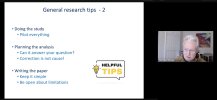
So just to recap the research journey you need to be clear what it is you're studying really get into it like getting
12:28
12 minutes, 28 seconds
into a warm bath completely surround yourself with it. Do some description. Create some kind of tentative model.
12:38
12 minutes, 38 seconds
test predictions from that model, often in a trial, but could be an experiment.
12:43
12 minutes, 43 seconds
And hopefully other people will replicate it and then start to implement it in the real world if it looks useful.