Virtual Pet–Assisted Therapy to Alleviate Symptoms of Long COVID: A Prospective Pilot Interventional Study
[Line breaks added]
Background: Post–COVID-19 condition (long COVID) is characterized by persistent symptoms following acute infection. Given the limited efficacy of pharmacologic treatments, there is growing interest in complementary, non-contact interventions.
Virtual pet–assisted therapy (VAT), a virtual reality-based adaptation of animal-assisted therapy, may offer a novel strategy for symptom management in this population.
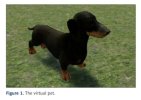
Material and Methods: A prospective intervention was conducted in the long COVID clinic at Juntendo University Hospital between July and December 2023. Adult patients with long COVID engaged with a virtual dog for 10 minutes prior to their clinical consultation.
Twelve symptoms considered potentially responsive to short-term intervention were self-rated on a 10-point scale before and after the session, with scores representing mean values.
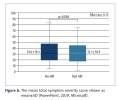
Results: Forty-two participants (median age: 46 years; 71.4% female) were included in the analysis. The mean total symptom score decreased by 7.2%, from 34.6 points before the intervention to 32.1 points after (P=0.004).
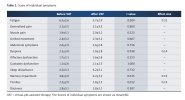
Fatigue scores decreased by 9.5% (from 6.3 to 5.7, P=0.004), dyspnea decreased by 17% (from 2.3 to 1.9, P=0.038), memory impairment decreased by 13% (from 4.8 to 4.2, P=0.015), and tinnitus decreased by 22% (from 2.3 to 1.8, P=0.012).
Conclusions: VAT could be a feasible and well-tolerated intervention worth further investigation as a potential adjunct for alleviating key symptoms of long COVID, particularly those with psychological components. Although this preliminary study is limited by the lack of a control group, it serves as a pilot study that demonstrates the potential of VAT.
Web | DOI | Medical Science Monitor | Open Access
Kamo, Ruka; Miyagami, Taiju; Saita, Mizue; Hara, Nanami; Mine, Yuichiro; Nishina, Tsubasa; Fukui, Yukiko; Harada, Yoshinao; Niitsuma, Mihoko; Naito, Toshio
[Line breaks added]
Background: Post–COVID-19 condition (long COVID) is characterized by persistent symptoms following acute infection. Given the limited efficacy of pharmacologic treatments, there is growing interest in complementary, non-contact interventions.
Virtual pet–assisted therapy (VAT), a virtual reality-based adaptation of animal-assisted therapy, may offer a novel strategy for symptom management in this population.
Material and Methods: A prospective intervention was conducted in the long COVID clinic at Juntendo University Hospital between July and December 2023. Adult patients with long COVID engaged with a virtual dog for 10 minutes prior to their clinical consultation.
Twelve symptoms considered potentially responsive to short-term intervention were self-rated on a 10-point scale before and after the session, with scores representing mean values.
Results: Forty-two participants (median age: 46 years; 71.4% female) were included in the analysis. The mean total symptom score decreased by 7.2%, from 34.6 points before the intervention to 32.1 points after (P=0.004).
Fatigue scores decreased by 9.5% (from 6.3 to 5.7, P=0.004), dyspnea decreased by 17% (from 2.3 to 1.9, P=0.038), memory impairment decreased by 13% (from 4.8 to 4.2, P=0.015), and tinnitus decreased by 22% (from 2.3 to 1.8, P=0.012).
Conclusions: VAT could be a feasible and well-tolerated intervention worth further investigation as a potential adjunct for alleviating key symptoms of long COVID, particularly those with psychological components. Although this preliminary study is limited by the lack of a control group, it serves as a pilot study that demonstrates the potential of VAT.
Web | DOI | Medical Science Monitor | Open Access