What chronic illness researchers won’t tell you

rvallee

Senior Member (Voting Rights)
What chronic illness researchers won’t tell you
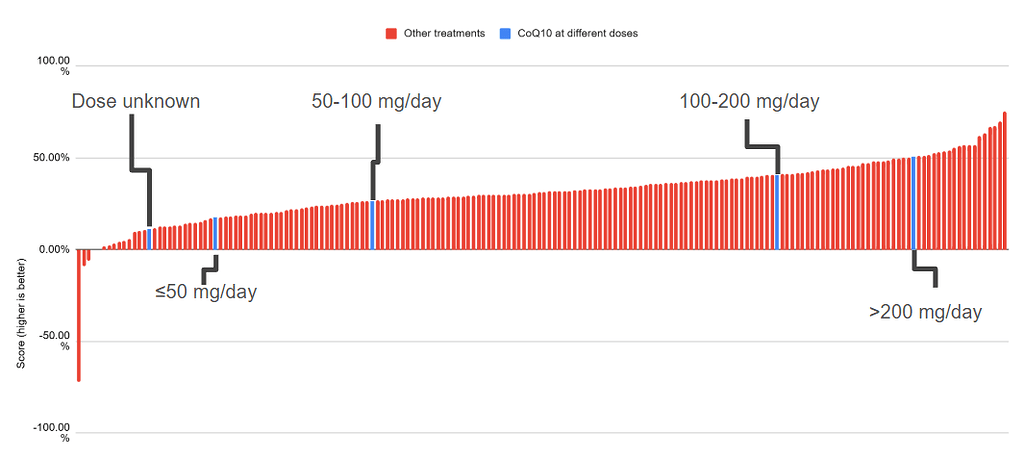
I’ve done survey research on chronic illness. And here’s the dirty secret: surveys measure a lot of things unrelated to health outcomes. I wish that wasn’t the case. I wish that chronic illness was easier to figure out. However, we need to recognize that survey research has very serious limitations.
The point is this: communicating with patients is really hard. Miscommunication and misinterpretation is easy because people have different ideas about what words mean.
From the clinician’s perspective, the clinician may have a justifiable basis to believe that exercise is a good idea (even though it probably isn’t). The people who had very negative experiences with exercise (e.g. Jennifer Brea) have a higher chance of avoiding the pro-exercise clinicians. So, the clinicians will interact more with the exercise believers. When randomized controlled trials enroll patients, it is likely that the trial will enroll a lot of pro-exercise people.
After the data is collected, there is an incentive to manipulate the data to arrive at sexy results. Many journals aren’t interested in publishing null findings (i.e. that exercise doesn’t help).
If some patients get it wrong, then how can clinicians get it right? I would argue that doctors simply can’t get it right. Currently, the problems are too difficult. Gathering accurate, reliable data is incredibly hard and we haven’t solved those problems. On a practical level, clinicians could focus on harm avoidance; high-risk treatments should be difficult to justify.
 
From the clinician’s perspective, the clinician may have a justifiable basis to believe that exercise is a good idea (even though it probably isn’t).
This is being too kind to them. There are no justifiable reasons for prescribing exercise. All of the reasons are terrible. If they can’t understand that, they will have no chance at understanding what the patients are telling them. They can’t live in an alternate reality and expect to understand our reality from that perspective.
 
I'd add in something along the lines of the ideal patient trope causing issues - we all have to play to it to some extent

but the nonsense of 'positive attitude making a difference' fiction that doctors get forced to believe (and want to because a lot of HCPs want their day brightened by upbeat patients) goes so far that even people who are realistically optimistic (which is the real thing instead of the toxic optimism - and means despite all the crap and having nothing on offer we still hope there might one day be something good to come) if they say the wrong thing ie that it doesn't work get assessed as now having the wrong attitude, even if nothing about them changed. ie something not working just gets interpreted as some sort of weird psych attribute.

It's hard to explain how instinctive this is in so many but I've watched them. People who don't like gettng the wrong answer and can't separate that from what that person is actually like to make a genuinely objective assessment of that. It is as if barring the very few things in medicine where medics are told to watch out for a clear proportion who might get a horrible side-effect and that's acknowledged there is no top left box on the graph where someone can be 'threw themselves in with positive attitude' and 'treatment didn't work' because the former gets rewritten as soon as they hear those words.

We get treated as objects to 'wind up and go' with motivation all the way up until they broke the toy with the treatment, and then want to blame the toy instead of the treatment for the 'problem'
 
Last edited:
This is being too kind to them. There are no justifiable reasons for prescribing exercise. All of the reasons are terrible. If they can’t understand that, they will have no chance at understanding what the patients are telling them. They can’t live in an alternate reality and expect to understand our reality from that perspective.
indeed - people certainly don't lie about being sporty or active. Or not enough that it matters. those who were are disappointed about not being able to get back to it, those who weren't aren't using that as their benchmark but other things they can't do - it seems to be being used as a no-win not as any proper 'help' as the BS good intentions to themselves claim.

You might get some who they would say fall into the sedentary zone that think they are relatively active because they walk to the shops or something but that's more about communication and being borderline and not wanting to fall into the wrong pile. And someone doing marathon training might think their sportiness somehow more than someone who does netball twice a week or walk miles to work and just does social sport like tennis or footie with their mates at the park. But that distinction doesn't really matter. They will have all tried. It isn't like medicine is so easy to access that you pop down the road to them before you've tried building up back to your old life.

If someone can't do to a significant level what they used to do then it blows all of their 'habit' BS out of the window because their benchmark in their mind of what is normal is pre-illness anyway. SO the Wessely Chalder type theory is nonsense. People don't lie in bed with flu or anything for however long and apparently not only get deconditioned but also start thinking a walk around their usual route with their friend that used to do it is different to what they thought it was before. When they can't build back there within a certain amount of months it is blinking obvious to anyone there is an issue. Particularly if they used to be marathon runners before. And they are getting worse at the small work month by month rather than better.

And it is even more ridiculous given we are now in the age of tech so people couldn't delude themselves even if that was somehow a 'thing' (which has never been something scientific psychology would say there is logic for). Even 15yrs ago when I went to the gym there was a key system on the machines that was there to show you getting better each week so it is blinking weird when you get worse for doing more. And every other fb post (back when you got friends instead of ads) was someone's strava.

there was a reason the term 'prescribing' is inappropriate for exercise. medics aren't actually experts in what it does to the health, and they don't send you to a pharmacist who is spending qualifications and experience checking the interactions. it's just BS nonsense.

I hate presumptions and assumptions that noone questions. And in the case of ME/CFS if they do then those who have no knowledge put their fingers in their ears - it's utter madness.
 
Back
Top Bottom