Association of rapamycin treatment with the modulation of purine metabolism, reduced microglial inflammatory responses, improved mitochondrial energy metabolism, and alleviation of fatigue symptoms in ME/CFS subjects: pilot findings from phase-II observational study
BACKGROUND
and rationale In our ongoing phase II observational pilot trial, the compounded formulation of low-dose rapamycin significantly reduced fatigue-related clinical symptoms in ME/CFS subjects. Although the underlying molecular mechanism remains unclear, exploring metabolic pathways involving circulating blood-borne factors is warranted. Recent studies suggest that increased levels of purines may exacerbate oxidative stress in ME/CFS patients. It is not known if rapamycin modulates purine biosynthesis and improves disease symptoms.
METHODS AND RESULTS
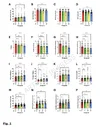
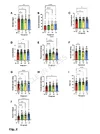
To address, we performed a comprehensive LCMS-based quantification of purine biosynthetic intermediates in plasma from responder cohort of ME/CFS participants, both at baseline (BSL) and after 90 days of rapamycin therapy (T3). Notably, differential regulation was observed in the enzymatic conversion of inosine monophosphate (IMP) to xanthosine-5-monophosphate (XMP) and hypoxanthine (HPX) between BSL and T3 samples. Flow cytometry assays on PBMCs confirmed that rapamycin reduces IMP dehydrogenase activity, thereby limiting the conversion of IMP to XMP. Further analyses, including mitochondrial oxidative stress assessments, Seahorse OCR following purine supplementation, and flow cytometry indicate that altered purine levels can impair mitochondrial energy metabolism, and may contribute to inflammatory processes in microglia.
CONCLUSION
Collectively, these findings highlight the therapeutic potential of rapamycin to enhance energy metabolism in patients with ME/CFS.
MAJOR LIMITATIONS
There is no placebo group, and molecular results are somewhat biased to responders.
TRIAL REGISTRATION
CLINICALTRIALS.GOV, NCT06257420. Registered 11 December 2023, https://clinicaltrials.gov/study/NCT06257420.
Web | DOI | PDF | Journal of Translational Medicine | Open Access
Gile, Brooke; Bulbule, Sarojini; Toriola, Mubaraq A; Ruan, Brian T; Marium, Shabnam; Benko, Anna; Grach, Stephanie; Mueller, Michael; Bateman, Lucinda; Bell, Jennifer; Yellman, Brayden; Berner, Jon; Chheda, Bela; Kaufman, David; Gottschalk, Gunnar; Roy, Avik
BACKGROUND
and rationale In our ongoing phase II observational pilot trial, the compounded formulation of low-dose rapamycin significantly reduced fatigue-related clinical symptoms in ME/CFS subjects. Although the underlying molecular mechanism remains unclear, exploring metabolic pathways involving circulating blood-borne factors is warranted. Recent studies suggest that increased levels of purines may exacerbate oxidative stress in ME/CFS patients. It is not known if rapamycin modulates purine biosynthesis and improves disease symptoms.
METHODS AND RESULTS
To address, we performed a comprehensive LCMS-based quantification of purine biosynthetic intermediates in plasma from responder cohort of ME/CFS participants, both at baseline (BSL) and after 90 days of rapamycin therapy (T3). Notably, differential regulation was observed in the enzymatic conversion of inosine monophosphate (IMP) to xanthosine-5-monophosphate (XMP) and hypoxanthine (HPX) between BSL and T3 samples. Flow cytometry assays on PBMCs confirmed that rapamycin reduces IMP dehydrogenase activity, thereby limiting the conversion of IMP to XMP. Further analyses, including mitochondrial oxidative stress assessments, Seahorse OCR following purine supplementation, and flow cytometry indicate that altered purine levels can impair mitochondrial energy metabolism, and may contribute to inflammatory processes in microglia.
CONCLUSION
Collectively, these findings highlight the therapeutic potential of rapamycin to enhance energy metabolism in patients with ME/CFS.
MAJOR LIMITATIONS
There is no placebo group, and molecular results are somewhat biased to responders.
TRIAL REGISTRATION
CLINICALTRIALS.GOV, NCT06257420. Registered 11 December 2023, https://clinicaltrials.gov/study/NCT06257420.
Web | DOI | PDF | Journal of Translational Medicine | Open Access