National Decade Against Post-Infectious Diseases
When the Infection Is Over – and the Illness Only Begins
Post-infectious diseases such as Long Covid and ME/CFS are posing new medical and societal challenges. Using long-term data from the NAKO Health Study, Germany aims to systematically investigate why some infections leave lasting effects and how affected individuals can be better supported.
Post-infectious diseases are increasing. After infections such as Covid-19, chronic conditions like Long Covid or ME/CFS can develop months or even years later. In Germany, hundreds of thousands of people are affected. Expert estimates suggest that by the end of 2024, around 870,000 people were living with Long Covid and 650,000 with CFS.
The Federal Ministry of Research, Technology and Space is investing approximately 500 million euros over ten years as part of the “National Decade Against Post-Infectious Diseases.” The goal is to systematically research causes, disease mechanisms, diagnostics, and therapies, and to improve patient care. Around 50 million euros per year will fund interdisciplinary projects, data infrastructures, and clinical studies.
Post-infectious diseases sometimes emerge after the infection itself has already been overcome. Following a viral or other microbial infection, a new illness may develop after days or even years. This condition is thought to be triggered by processes that occurred during the infection.
One prominent example since the coronavirus pandemic is Long Covid, characterized by fatigue, reduced physical capacity, cognitive impairment (“brain fog”), and shortness of breath weeks to months after a SARS-CoV-2 infection. The frequency of Myalgic Encephalomyelitis/Chronic Fatigue Syndrome (ME/CFS) has also increased. ME/CFS is a severe, chronic multisystem disease that often follows an infection and is marked by pronounced exhaustion that significantly worsens after exertion.
The Role of the NAKO Health Study
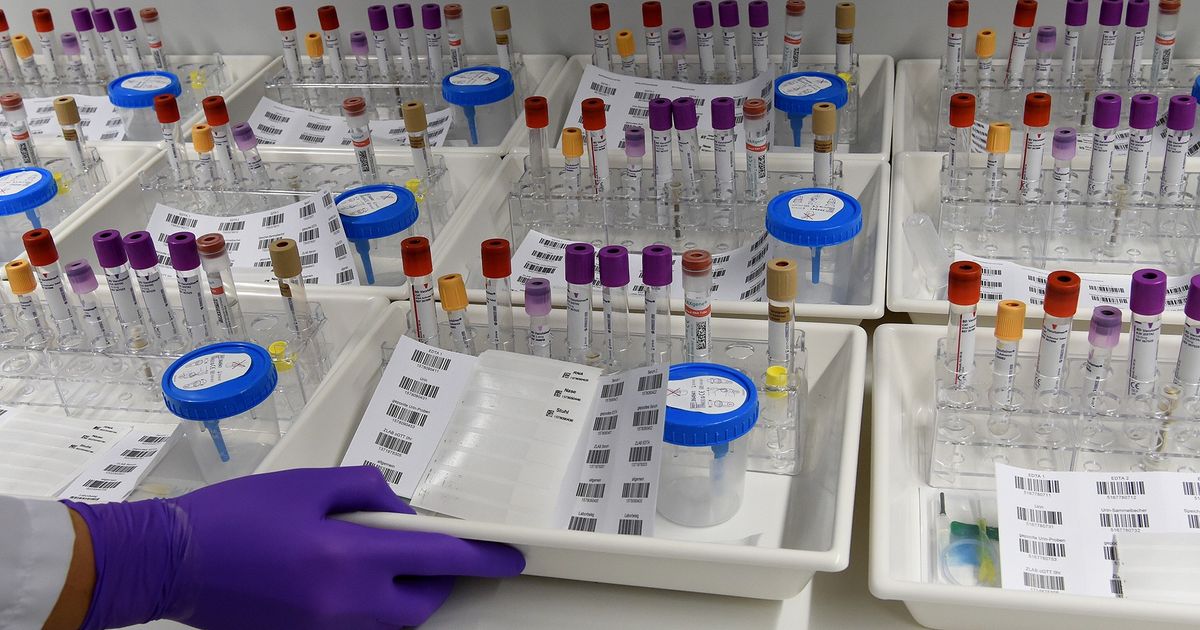
The NAKO Health Study, Germany’s largest population-based long-term study, plays a central role in the initiative. Since 2014, around 200,000 men and women aged 20 to 69 have undergone medical examinations and regular surveys about their health, lifestyle, and environmental factors.
A major strength of NAKO is its ability to provide a rare before-and-after comparison, with data and biological samples collected before, during, and after the pandemic. Within the EpiPAIS (Epidemiology of Post-Acute Infection Syndromes) project, about 4,500 NAKO participants are being examined in greater detail to analyze such comparisons.
Researchers are investigating a broad range of possible mechanisms, as the exact causes of post-infectious diseases are not yet fully understood. Hypotheses include persistent immune dysregulation with chronic inflammation, autoimmune reactions, lingering viral components in the body, vascular dysfunction, microthrombi, autonomic nervous system changes, and metabolic or mitochondrial dysfunction. It is likely that multiple factors interact differently depending on the infection and individual predisposition.
The immune system appears to play a central role in most cases. Researchers are examining changes in leukocyte counts and epigenetic patterns of immune cells. They are also searching for protective biological or lifestyle-related factors that may prevent severe disease courses.
Determining Prevalence and Immune Profiles
Another key objective is to determine how many people in Germany are affected by specific post-infectious diseases. Long Covid, for example, is not yet uniformly recorded, and its true prevalence remains unclear. Because NAKO closely follows its 200,000 participants, it may provide important insights into disease distribution.
An additional NAKO research project analyzes antibodies against various pathogens in several thousand participants. Researchers are studying how common these antibodies are, how strong they are, and how they change over time. Such serological analyses can help clarify how the immune system responded to past infections and which immune profiles may be linked to higher or lower risks of post-infectious diseases.
These data may reveal connections between previous infections, immune responses, and long-term health consequences. They could also help identify protective factors and inform the development of prevention and therapy strategies.
Overall, many fundamental questions remain: which viral infections are associated with which post-infectious diseases, which factors influence risk, and what contributes to recovery. The NAKO data and projects aim to help answer these questions and support the goals of the National Decade Against Post-Infectious Diseases.


www.bmftr.bund.de