Haptoglobin Phenotypes Stratify Post-Exertional Cognitive Dysfunction Assoc w/ Altered Cerebral Oxygenation & Metabolic Signatures in LC, 2026, Moezzi

Chandelier

Senior Member (Voting Rights)
Haptoglobin Phenotypes Stratify Post-Exertional Cognitive Dysfunction Associated with Altered Cerebral Oxygenation and Metabolic Signatures in Long COVID, 2026, Moezzi, Armstrong et al
Moezzi, Atefeh; Elremaly, Wesam; Leveau, Corinne; Franco, Anita; Nepotchatykh, Oleg; Armstrong, Christopher W.; Moreau, Alain

Abstract
Long COVID (LC) is a heterogeneous post-infectious syndrome characterized by persistent symptoms, yet the biological basis underlying its interindividual variability remains poorly understood.
Given the clinical overlap between LC and myalgic encephalomyelitis (ME), and prior demonstration that haptoglobin (Hp) phenotypes modulate symptom severity in ME, we investigated whether Hp phenotypes similarly stratify post-exertional cognitive dysfunction in LC.

In this longitudinal observational study, 44 individuals with LC and 20 short-course COVID controls, who recovered rapidly from SARS-CoV-2 infection without persistent symptoms or sequelae, underwent Hp phenotyping alongside metabolomic and physiological profiling before and after a standardized 90 min passive post-exertional challenge.

Hp phenotypes identified clinically distinct LC subgroups. Compared with Hp1-1 individuals, Hp2 allele carriers exhibited greater fatigue, poorer physical function, and more severe post-exertional symptoms. Immediately following the challenge, Hp2-2 participants with LC showed significant cognitive decline, whereas Hp1-1 individuals demonstrated cognitive resilience and more favorable longitudinal cognitive trajectories.

This differential susceptibility was accompanied by higher post-exertional cerebral fractional tissue oxygen extraction in the right hemisphere in Hp1-1 individuals and by distinct metabolic signatures, with Hp2 allele carriers exhibiting lower post-exertional plasma concentrations of citric acid, isethionate, and glucosamine.
Lower metabolite levels were associated with poorer cognitive performance.

These findings support Hp phenotypes as promising candidate biomarkers for biological stratification in Long COVID, pending validation in larger independent cohorts.

Web | DOI | International Journal of Molecular Sciences | Open Access
 
Last edited:
It cites the following paper as [5]:
Haptoglobin phenotypes and structural variants associate with post-exertional malaise and cognitive dysfunction in myalgic encephalomyelitis

Interesting:

Funding​

This work was supported by grants awarded to Alain Moreau from Open Medicine Foundation Canada (SCOPIMED project), the Montreal TransMedTech Institute, and Patient-Led Research Collaborative Funds (USA; MOSAICS project).

We have a thread on them.
This seems to be their website:
 
Last edited:
Participant selection

Long COVID (LC), also referred to as post-COVID-19 condition, post-acute sequelae of SARS-CoV-2 infection (PASC), or long-haul COVID, has emerged as a major global health challenge. It is defined by the World Health Organization as symptoms that arise or persist at least three months after SARS-CoV-2 infection and last for a minimum of two months in the absence of an alternative diagnosis [1].
Given the clinical overlap between LC and myalgic encephalomyelitis (ME)
The close clinical resemblance between LC and myalgic encephalomyelitis (ME), particularly the presence of PEM and cognitive dysfunction, suggests that both conditions may share common pathophysiological mechanisms.

I'm not too sure what the way forward is, but this ongoing reference to Long Covid as both one syndrome and also any collection of symptoms that linger for more than 2 months after Covid-19 is a big problem. The lack of precision is slowing progress. If someone with a Long Covid label has PEM, then they probably have ME/CFS. I think it would be better to refer to these people as have Post-Covid-19 ME/CFS.

I know many with post-Covid-19 ME/CFS don't want to have an ME/CFS label. But, it's a big shame that researchers who are associated with and funded by donations from the ME/CFS community via OMF can't even acknowledge that there is post-Covid-19 MECFS.

It's surprising to see ME/CFS referred to as ME. I thought there was a consensus among informed ME/CFS researchers to use 'ME/CFS'?

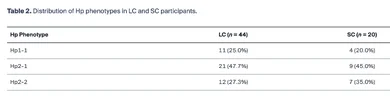
A total of 64 participants were included in this study, comprising 44 individuals with LC and 20 individuals who recovered from SARS-CoV-2 infection within two weeks, referred to as short-course COVID (SC).
Participants were recruited through the clinical research program at the Azrieli Research Center at CHU Sainte-Justine (Montreal, QC, Canada).
(note - the Methods section comes after the Discussion)
Participants in the LC cohort were not hospitalized during their acute SARS-CoV-2 infection and reported persistent symptoms lasting at least three months after the initial infection, with a mean symptom duration of 10.3 ± 0.6 months at enrollment. The SC group consisted of individuals who recovered from SARS-CoV-2 infection without persistent symptoms following the acute phase.

Table 1 suggests that the LC participants were more likely to have a high DSQ-PEM score, but it does not seem that this was a requirement. Therefore, we can't know how many of the LC cohort just had an ongoing problem with taste, or with breathing. Again, this lack of characterisation and selection of the LC cohort is not good enough, especially from a team that is very aware of ME/CFS and should know better. Please do better.
 
2.2. Association Between Hp Phenotypes and Symptom Severity
So, these analyses were just in the LC cohort

Analysis of SF-36 physical function scores revealed significant differences across Hp phenotype groups (one-way ANOVA, p = 0.02; η2 = 0.23), with Hp2 carriers exhibiting poorer physical functioning than individuals with the Hp1-1 phenotype

Screenshot 2026-08-06 at 5.16.46 AM.webp
DSQ-Q14 is 'dead, heavy feeling after starting to exercise'
DSQ-Q18 is 'physically drained or sick after mild activity'
I don't think either of those are good measures of PEM. Q18 includes people who feel exhausted after activity e.g. post-exertional fatigue.


There was adjustment for multiple comparisons, although the number of comparisons undertaken is not noted. Error bars are SEM.

Collectively, these findings indicate that the phenotypes with Hp2 are associated with a more severe clinical presentation characterized by reduced physical function, increased fatigue, and heightened susceptibility to PEM.
They checked confounding factors:
age, sex, BMI, and disease duration did not significantly contribute to any of the regression models (p > 0.05), indicating that the observed associations were not explained by these clinical or demographic variables.
 
Last edited:
I've got to take a break. Section 2.4
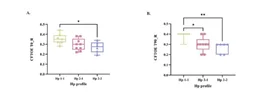
Cerebral fractional tissue oxygen extraction (cFTOE) was assessed using NIRS in a subset of participants (LC, n = 22; SC, n = 19).

But, I want to paste in the cerebral oxygen extraction results for the controls, from supplementary figure S5. Here are the results for the right side of the brain. Note that most data points are between 0.2 and 0.4.
C is before and D is after an exertion challenge.
Screenshot 2026-08-06 at 5.49.02 AM.webp

Here are the results for the right side of the brain for the LC cohort. Note that most data points are between 0.2 and 0.4. So, cerebral oxygen extraction results are not different between the LC and control cohorts. The text in Section 2.4 does not mention this.
Screenshot 2026-08-06 at 5.52.29 AM.webp
Also note that results were also produced for the left side of the brain, but differences between the LC Haptoglobin phenotypes were not found.

Collectively, these findings demonstrate that individuals with LC carrying Hp2 phenotypes, particularly Hp2-2, exhibit reduced cFTOE following physiological stress despite stable cerebral hemoglobin measurements. The absence of comparable alterations in SC participants further suggests that these NIRS abnormalities represent disease-specific physiological responses associated with post-exertional cognitive vulnerability rather than constitutive differences in cerebral perfusion.
The differences in the LC cohort in the right side of the brain by haptoglobin phenotypes are interesting, but I don't think the results have been presented transparently. Many readers of this paper are going to come away assuming there is something "wrong" with cerebral oxygen extraction in people with the Hp2 phenotypes.

Actually, this study provides evidence that cerebral oxygen extraction is normal in LC (and in the Hp2 phenotypes).
 
Table 1 suggests that the LC participants were more likely to have a high DSQ-PEM score, but it does not seem that this was a requirement. Therefore, we can't know how many of the LC cohort just had an ongoing problem with taste, or with breathing.
Nor should we assume a high DSQ-PEM score actually translates to PEM as we conceptualise it in ME/CFS unfortunately.
 
The exertional challenge was a blood-pressure cuff??

Also, my Claude setup tells me that the multiple comparison corrections were only done on the few comparisons shown and not in the many items not shown.

Looks like the typical small-sample size many-tests paper and then just reporting the significant findings.

Here's the Claude evaluation in case anyone's interested
 
The exertional challenge was a blood-pressure cuff??
It’s an exertional simulation through isolated external mechanical stimuli. Essentially, they wanted to see what would happen if you stimulated the muscles without requiring the participants to use the muscles, so they could avoid doing CPETs.
 
Back
Top Bottom