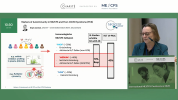
Also very significant. Same thing happened with PACE. Even Wessely admitted that no health care system could possibly fund and staff the intensive levels involved in their treatment programs, it would be far too expensive. Which makes the fact that it became recommended anyway stunning, because it shows that a treatment doesn't even have to be realistic to be widely deployed."The rehabilitation programme was specifically designed for people with ME/CFS (including ‘localised rehabilitation’, stimulation shielding and no strenuous exercise). According to the rehabilitation centre, the programme was very labour-intensive and, in terms of staffing requirements, could not be compared to standard rehabilitation programmes funded by the German Pension Insurance."
And that's before you consider widespread deployment of the actual program, rather than a downsized version. In-person 1:1 labor-intensive therapy like this is the absolute worst possible way of delivering treatments, it scales negatively, the more you do of it, the bigger the administrative structure to support that staffing, and there are zero economies of scale. This comment was made for a limited program, so limited it couldn't even be applied to 1% of the patient population, and it doesn't even take into account the explosive growth needed to make it widely available.
The rehab model is a fantasy, as much as a system built around the healing power of prayer. It has no viable future outside of extremely narrow needs.