At the end of January 2026, in Austria, a 22-year-old patient resorted to an assisted suicide due to an extremely severe chronic fatigue syndrome This case is among a small but increasing number of publicly reported cases that have drawn attention to assisted suicide or euthanasia involving patients described as having functional disorders, myalgic encephalomyelitis/chronic fatigue syndrome, chronic nociplastic pain, or related conditions.
Functional disorders, which also include irritable bowel syndrome, fibromyalgia, or functional neurological disorders, are characterized by chronic debilitating symptoms “for which adequate examination does not reveal sufficiently explanatory structural or other specified pathology”.
According to a 2024 study, functional disorders may affect 9% of European adults. […]Functional disorders are often associated with significant and persistent suffering, that can become extremely impactful and severely alter quality of life. Available healthcare recommendations include biopsychosocial explanations of the disorder, fighting against misrepresentations and stigma, and in more severe cases cognitive and behavioral therapy, adapted physical activity, and specific medication.
Functional disorders should not be regarded as entirely equivalent to mental disorders, given their intermediate position at the interface between psychiatry and other medical specialties. In particular, the disturbances of judgment that may accompany certain severe mental disorders, such as schizophrenia or severe depression, and thereby compromise decision-making autonomy, are not generally characteristic of functional neurological disorders. Furthermore, suicidal ideas are typical symptoms of some mental disorders, such as depression, but not of functional disorders.
Within this framework, respect for autonomy remains a central consideration. A diagnosis of functional disorder does not in itself imply impaired decision-making capacity, and patients may retain the ability to make a voluntary and informed request for assisted dying. However, meaningful autonomy also depends on access to accurate and sufficiently comprehensive information about the disorder, its prognosis, and the potential for improvement with appropriate treatment. This is particularly relevant in conditions that remain poorly understood or are subject to persistent misinformation, both within healthcare and in the wider public sphere.
Any assessment that there is no reasonable prospect of improvement must take into account not only the patient’s clinical condition, but also the quality, appropriateness, and accessibility of the care previously received. In the case of functional disorders, this is especially important because a wish to die may arise not only from the suffering caused by the condition itself, but also from shortcomings in care. Limited professional knowledge, delayed or incorrect diagnosis, stigma, fragmented care pathways, and restricted access to specialist multidisciplinary treatment may prolong suffering. Repeated diagnostic uncertainty and a sense of abandonment by the healthcare system may further contribute to loss of hope and, ultimately, requests for assisted dying.
Ethical discussions on active dying assistance have traditionally focused on terminal illnesses. Functional disorders, which can result in extremely severe conditions in some cases, represent a blind spot that compels to shift perspective and represents a major ethical challenge for the future.
Longitudinal characterization of mixed-genotype SARS-CoV-2 infections in a military cohort reveals compartmentalized viral populations, 2026, Long et al.
Long, Kyle A.; Paskey, Adrian C.; Adhikari, Bishwo N.; Fries, Anthony C.; Mende, Katrin; Richard, Stephanie A.; Malagon, Francisco; Cer, Regina Z.; Miller, Robin H.; Chitty, J. Alexander; Voegtly, Logan J.; Miner, Haven; Lanteri, Charlotte; Tribble, David R.; Agan, Brian K.; Simons, Mark P.; Burgess, Timothy H.; Pollett, Simon D.; Bishop-Lilly, Kimberly A.
ABSTRACT
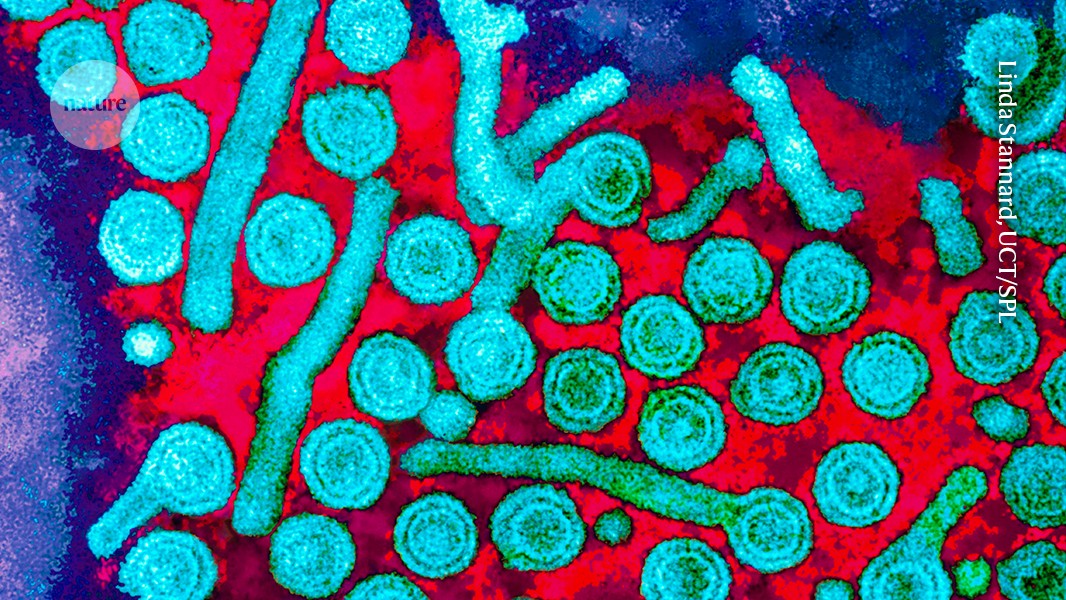
Mixed-genotype severe acute respiratory syndrome coronavirus 2 (SARS-CoV-2) infections are a concern due to the potential generation of novel recombinants that give rise to new variants.
To better understand intra-host viral dynamics, we analyzed specimens from 24 participants from the U.S. Military Health System’s Epidemiology, Immunology, and Clinical Characteristics of Emerging Infectious Diseases with Pandemic Potential COVID-19 cohort with suspected mixed-genotype SARS-CoV-2 infections.
From an initial 24 suspected cases, we confirmed 17 as genuine coinfections and graded them by evidence: 7 were “strong”; 4 were “moderate”; 6 were “weak”; and 7 were deemed unlikely to be true mixed-genotype infections.
Access to swabs from multiple body sites across the course of infection allowed us to observe compartmentalization and shifts in variant dominance that would have been missed by a single-timepoint analysis, as well as one recombinant Omicron BA.1/BA.2 genome.
By using an evidence-based bioinformatic framework to assess sequencing data from well-characterized clinical cases, we distinguished genuine coinfections from bioinformatic artifacts.
Our findings emphasize the importance of both extensive specimen collection and careful bioinformatic approaches in ascertaining dual genotype infections.
IMPORTANCE
Novel recombinants of severe acute respiratory syndrome coronavirus 2 (SARS-CoV-2) arise from coinfections with different lineages, but mixed infections are not screened for despite risk to public health, and most surveillance relies on single swabs.
We analyzed a longitudinal data set with specimens from multiple body sites, providing an opportunity to assess intra-host dynamics.
To distinguish true coinfection from bioinformatic artifacts with confidence, we applied a framework that grades evidence for mixed genotypes by incorporating lineage and clade with manually validated variant calls.
This allowed investigation beyond abundance levels of mixed genotypes within a single specimen, including observations of compartmentalization and a recombinant virus.
This work enables further study of evolutionary, immunological, and clinical implications of mixed SARS-CoV-2 genotypes.
Detecting dual-genotype infections and discriminating between true dual-genotype infection vs potential bioinformatics-based artifacts support public health and military readiness.
These efforts provide evidence to bolster decision-making in molecular epidemiological studies to track transmission and for the choice of effective countermeasures.
Web | DOI | PDF | Microbiology Spectrum | Open Access
The study is “outstanding” and could help researchers to learn more about how the gut interacts with the central nervous system, says Francisco Quintana, a neuroimmunologist at Harvard University in Cambridge, Massachusetts.
“It opens up several possibilities,” he says, such as exploring how gut infections might affect neurological disorders, and developing therapies that harness that relationship.
Intestinal infections establish antigen-specific, long-lived memory CD4+ T cells in the brain and meninges, 2026, Fleming et al
Intestinal infections establish antigen-specific, long-lived memory CD4+ T cells in the brain and meninges
Fleming, Aaron; Neish, Karen; Di Marco-Barros, Rafael; Posner, David A.; Lee, Colin Y. C.; Stewart, Andrew; Tuong, Zewen Kelvin; Bremridge, Miles; Peñalver, Ana; Cabantous, Mia; Richoz, Nathan; Portet, Anais; Harcourt, Katherine; Gillman, Eleanor; Sow, Tammie Tao Min; Hasegawa, Tetsuo; Ruano-Gallego, David; Frankel, Gad; Withers, David; Clare, Simon; Clatworthy, Menna R.
Abstract
Abstract The meninges form the border between the brain and periphery and house a rich network of immune cells. Here we show that gastrointestinal challenges (intracellular or extracellular bacteria and parasites) reshape the nature of CD4 + T cells in the dura mater, the outer meningeal layer, changing the dominant polarization states to T helper (T H ) 1, T H 17 and T H 2 cells, respectively, with differing cytokine profiles. This occurs via CXCR6–CXCL16-dependent migration of gut-activated CD4 + T cells to the central nervous system, where they establish long-lived memory populations around the dural venous sinuses, within dural lymphoid aggregates and in the brain. Functionally, these orally primed dural CD4 + T were capable of rapid, antigen-specific recall responses, proliferating and producing cytokines upon intravenous rechallenge. Our findings reveal a direct link between intestinal and dural immunity, enabling the central nervous system borders to acquire immunological memory of gut microorganisms, a major source of bloodborne pathogens capable of reaching the brain via fenestrated dural vasculature.
Will there be a warning for the next pandemic?, 2026, Lessler et al
Lessler, Justin; Metcalf, C. Jessica E.
Abstract
How to best allocate resources to combat the threat of pathogen emergence remains an important open question. Using archetypes that characterize the link from genotype to fitness in both zoonotic reservoirs and humans, we show that, across a range of plausible conditions, emergences of pathogens with pandemic potential in humans are unlikely to be preceded by detectable, failed, attempts.
Yet, the number of “failed” emergence events contains information about the emergence potential of zoonotic pathogens, and should modify our beliefs about the underlying fitness landscape. Our work suggests that the most important, modifiable, risk factors for emergence may be phenomena that alter fitness landscapes, such as viral ecology in bridge species and human immunological landscapes.
Web | DOI | PMC | PDF | Science Advances | Open Access
Researchers say air monitoring complements wastewater testing in detecting respiratory pathogens from diverse populations, including asymptomatic or pre-symptomatic people.
www.cidrap.umn.edu
Airport air sampling captures COVID, influenza viruses
Multimodal genomic surveillance for respiratory pathogens at four U.S. international airports: A comparison of air, wastewater, clinical, and national surveillance data, 2026, Gratalo et al
Gratalo, Dawn; Friedman, Cindy R.; Morley, Valerie J.; Qiu, Xueting; Ruskey, Ian; Rothstein, Andrew P.; Tiburcio, Patrick B.; Philipson, Casandra W.; Aichele, Thomas W. S.; Bart, Stephen M.; Jaynes, Dustin; Simen, Birgitte B.; O’Connor, Shelby L.; O’Connor, David H.
Abstract
Early detection of outbreaks and emerging pathogens is critical for public health and global biosecurity. Airports, as major international travel hubs with dense, enclosed populations, are high-risk settings for disease transmission and potential pathogen introduction. The U.S. Centers for Disease Control and Prevention, in collaboration with Ginkgo Biosecurity and the University of Wisconsin–Madison, implemented air monitoring for pathogen surveillance in congregate areas at four U.S. international airports. From October 2023 to August 2024, SARS-CoV-2 was detected by PCR in 98.3% of air samples and influenza A in 17.2%. Influenza A positivity in air samples correlated with aviation wastewater (r = 0.48), traveler nasal swab positivity (r = 0.73), and national clinical surveillance (r = 0.86), whereas SARS-CoV-2 measurements did not correlate significantly across these modalities. Targeted amplicon sequencing of SARS-CoV-2 from air samples identified contemporaneous lineages also detected in wastewater collected from the same airports. Targeted enrichment sequencing detected 30 viral species and recovered high-quality genomes for SARS-CoV-2, influenza, bocavirus, and seasonal coronaviruses. Together, these findings demonstrate that air sampling can complement aviation wastewater surveillance at ports of entry, although performance and concordance vary by pathogen and sample type.
Web | DOI | PMC | PDF | PLOS Global Public Health | Open Access
Abstract
Acute graft-versus-host disease (aGvHD) remains a major complication after allogeneic hematopoietic cell transplantation (alloHCT). Adoptive regulatory T-cell (Treg) therapy may suppress alloreactive T-cell responses, but clinical implementation has been limited by donor-specific manufacturing, prolonged ex vivo expansion, and logistical complexity. We developed ATreg, a cell therapy product consisting of gp120-activated, polyclonal Tregs derived from HLA-unmatched third-party donors.
The primary objective was to assess the safety, tolerability and toxicity of ATreg, hypothesizing that this would be feasable and safe for aGvHD prevention early after alloHCT in patients with hematologic malignancies. ATreg-001 is a first-in-human, prospective, open-label, single-arm, multi-center phase 1/2 trial (EU CT number 2024-516599-14-00) conducted at 4 German centers (Mainz, Dresden, Münster, and Dortmund). ATreg was generated from standard non-mobilized apheresis products by Treg isolation followed by 16 hours of gp120-mediated activation in the presence of IL-2, without ex vivo expansion, thereby enhancing suppressive function and (potentially) enabling a therapeutic effect at substantially lower Treg doses. Ten patients received ATreg at 0.1 to 1.0 × 10⁶ cells/kg body weight on day +10 ± 5 after alloHCT, in addition to standard GvHD prophylaxis, in a dose-escalation design across 3 cohorts.
ATreg was administered within 24 hours after manufacturing. The primary endpoint was the type, incidence, and severity of ATreg-related serious adverse events within 14 days after administration. Secondary endpoints included manufacturing feasibility, aGvHD incidence/severity within 100 days, engraftment, and infections. ATreg administration was well tolerated, with no infusion-related toxicities or other safety signals attributable to ATreg. All treated patients achieved hematopoietic engraftment and full donor chimerism. Within 100 days after alloHCT, no grade 3 to 4 aGvHD occurred, the cumulative incidence of grade 2 to 4 aGvHD was 10%, and no nonrelapse mortality was observed.
These first clinical data support the feasibility and favorable safety profile of ATreg, a third-party, gp120-activated Treg product requiring no ex vivo expansion, and warrant further evaluation in larger prospective clinical trials. (1) HLfv and (2) ATreg therapy showed early clinical signals for GvHD prevention, with no cases of grade 3 to 4 aGvHD observed.
GRAPHICAL ABSTRACT
Web | DOI | Transplantation and Cellular Therapy | Open Acess
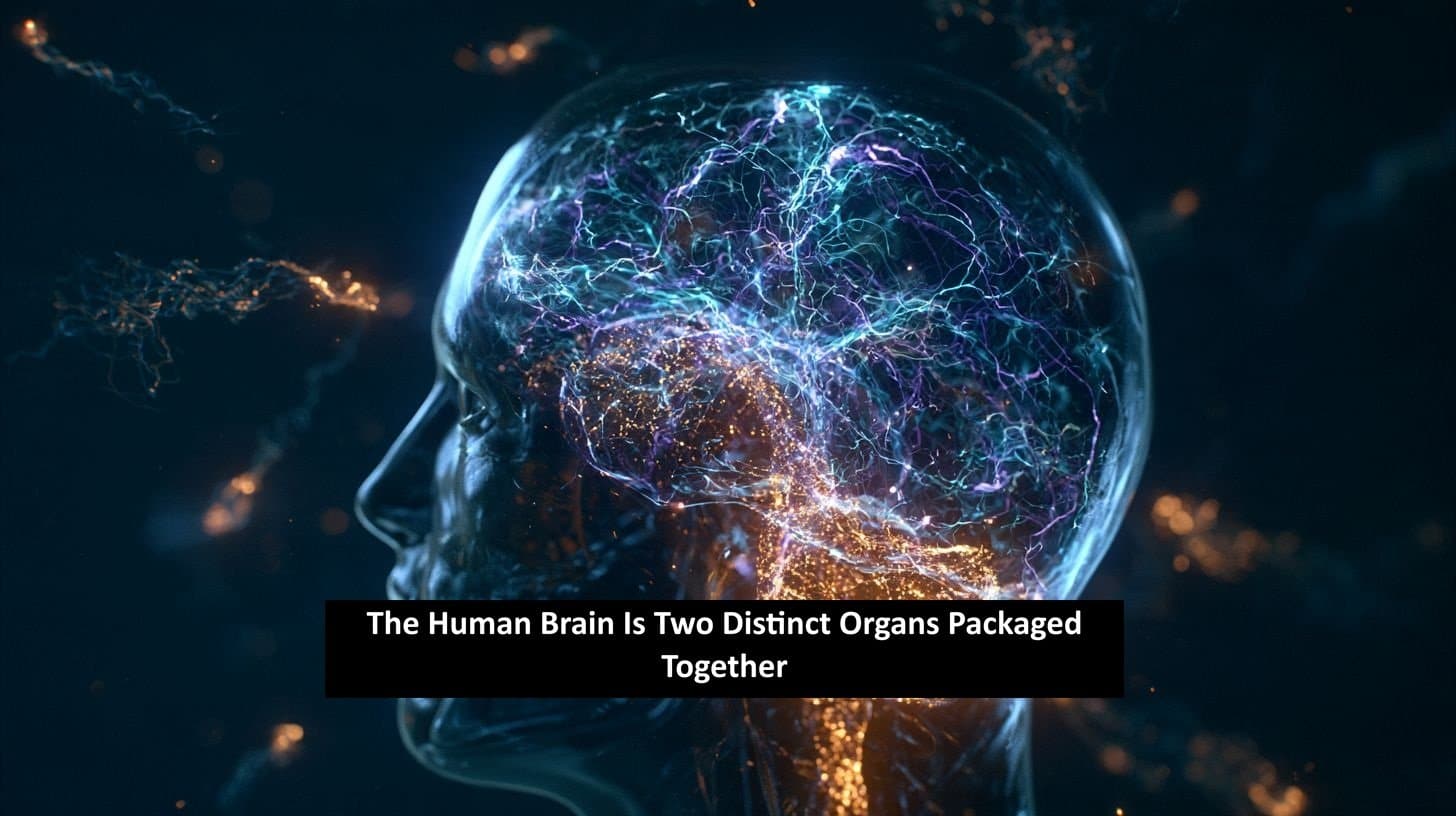
Two parallel lineage-committed progenitors contribute to the developing brain
Carolyn E. Dundes, Rayyan T. Jokhai et al
Abstract
The hindbrain is a life-sustaining brain region. In one model, a common neural progenitor
generates all brain regions. Here our studies of mouse embryos and human pluripotent stem
cells (hPSCs) support a different model: two parallel brain progenitors emerge simultaneously
during gastrulation, anterior neural ectoderm (forebrain/midbrain progenitor) and posterior
neural ectoderm (hindbrain progenitor). Not only are they lineage-committed to respectively
form forebrain/midbrain vs. hindbrain in vitro, but they also have diverging chromatin
landscapes foreshadowing future forebrain/midbrain vs. hindbrain identities. Leveraging these
differences, we differentiated hPSCs into hindbrain rhombomere 5/6-specific motor neurons,
hitherto difficult to generate in vitro. We postulate the brain is a composite organ emanating
from two lineage-restricted progenitors; these dual progenitors may be evolutionarily conserved
across 550 million years from hemichordates to mammals.
PubMed has a new tool for finding related papers to a given paper called Linked Discoveries:
Linked Discoveries uses a version of BiomedBERT (previously called PubMedBERT), an open-source language model trained specifically on biomedical and clinical text, that has been fine-tuned to judge how closely two pieces of text are related to create a neighborhood of related articles. The model determines whether the topics in two PubMed abstracts are related to the other by comparing the text from the titles, abstracts, and keywords.
“The scale and complexity of today's biomedical research problems demand that scientists move beyond the confines of their individual disciplines and explore new organizational models for team science. Advances in molecular imaging, for example, require collaborations among diverse groups—radiologists, cell biologists, physicists, and computer programmers.” —National Institutes of Health Roadmap Initiative [1]
Reading this made me a little depressed. For starters, the phrase “organizational models for team science” makes me imagine a factory floor of scientists toiling away on their next 100-author paper under the watchful gaze of their National Institutes of Health program officers, like some scene from Terry Gilliam's movie Brazil.
It's also depressing to read that the National Institutes of Health thinks that science has become too hard for individual humans to cope with, and that it will take the hive mind of an interdisciplinary “research team of the future” to make progress.
But what's most depressing comes from purely selfish reasons: if groundbreaking science really requires assembling teams of people with proper credentials from different disciplines, then I have made some very bad career moves.
Web | DOI | PMC | PDF | PLoS Computational Biology | Open Access
Harnessing Natural Killer Cells: From Neuroimmunology to Novel Therapies for Central Nervous System Diseases, 2026, Deng et al
Deng, Kaihang; Chong, Wai Po
Abstract
Natural killer (NK) cells are innate lymphocytes that defend the host by directly killing virus‐infected, stressed, and tumor cells. Their direct cytotoxic mechanisms include the release of cytotoxic granules, engagement of death receptor pathways, and mediation of antibody‐dependent cellular cytotoxicity (ADCC).
They can also eliminate targets indirectly via the secretion of proinflammatory cytokines. Importantly, recent studies show NK cells help limit autoimmunity by targeting autoreactive immune cells, highlighting their broader role in maintaining tissue homeostasis, including within the immune‐privileged central nervous system (CNS). Both preclinical and clinical studies support the therapeutic potential of NK cell‐based immunotherapies for neuroinflammatory, neurodegenerative, and neuro‐oncologic diseases.
A key challenge remains achieving sufficient specificity and efficacy within the CNS, which necessitates a more profound understanding of NK cell biology in the unique brain microenvironment. This review summarizes the fundamental biology of NK cells and their roles in CNS pathologies, with a focus on their interactions with the CNS niche.
We also discuss recent advances, such as immune‐engager strategies and adoptive NK cell therapies, aiming to provide insights to guide future therapeutic development for CNS disorders.
Sex-biased toll-like receptor 4 signaling in nociplastic pelvic pain
Abstract:
Sex differences in neuroimmune crosstalk have been identified in preclinical research, yet sex divergent immune pathways in people with chronic pain remain poorly understood. We previously identified ex vivo whole-blood stimulation of toll-like receptor-4 (TLR4), a highly conserved innate immune receptor, as a marker of nociplastic pain in female patients with urologic pain, but whether this occurs in males is unknown. Male (n=73) and female (n=135) patients with chronic urologic pain recruited from university-based tertiary urology clinics were compared on pain, urinary symptoms, and immune response to ex vivo TLR4 stimulation. Cross-sectional analyses demonstrated that female patients with widespread or comorbid pain exhibited heightened global TLR4 responses compared to female patients with pelvic-localized pain and male patients. Conversely, male patients with comorbid pain demonstrated downregulated regulatory TLR4 responses compared to male patients with pelvic-localized pain. These findings reveal distinct immunological phenotypes between male and female chronic pain patients based on pain distribution (pelvic-localized versus widespread/comorbid). This work provides foundational evidence for sex-specific immune mechanisms, with implications for the identification and treatment of nociplastic pain.
Link (Brain, Behaviour & Immunity; September 2026)
Scientists have discovered a virus that is a tiny bit human, carrying a gene it stole from our ancestors about 100,000 years ago. And this virus may be using our own gene to infect us.
Previous studies have demonstrated that viruses can pick up genes from their hosts. But the new discovery, reported Thursday in the journal Science, may be the first known instance of a virus with a human gene acquired in recent evolutionary history.
Escape of the BC200 gene to a human poxvirus reveals its persistent transposition in primates, 2026, Gao et al
Gao, Pu; Pritham, Ellen J.; Feschotte, Cedric; Sun, Cheng
Abstract
Transposable elements mobilize within and occasionally between genomes, including from host to virus. We identified two insertions of the human BC200 noncoding RNA gene in the poxvirus molluscum contagiosum virus (MCV), which were likely acquired through long interspersed nuclear element 1 (LINE-1 or L1)–mediated retrotransposition during modern human history. Although BC200 was co-opted approximately 40 million years ago to regulate neuronal translation, we show that it never lost its mobilization capacity. Rather, BC200 functioned as a “master” source of L1-mediated germline retrotransposition events throughout anthropoid evolution, spawning hundreds of lineage-specific insertions. Additionally, BC200 has produced insertion polymorphisms segregating in the human population, including individual-specific insertions indicative of ongoing transposition activity. Thus, BC200 blurs the line between gene and transposon, combining stable function with persistent mobilization, including a recent escape into a human poxvirus.
Neuromuscular Disorders
Volume 67, Supplement 1, October 2026, 106984
31st International Congress of the World Muscle Society
3.14P Evidence for transcriptomic changes impacting muscle contraction in patients with post-acute COVID-19 syndrome
Post-acute COVID-19 syndrome (PACS) overlaps with myalgic encephalomyelitis/chronic fatigue syndrome (ME/CFS) but, due to frequent muscle pain and exertional intolerance, neuromuscular disorders are often suspected. We report the results of a comprehensive neuromuscular evaluation in 27 PACS patients (22F/5M; median age 41 ys). All patients developed chronic fatigue (>6 months), post-exertional malaise, and cognitive impairment, with muscle pain in 88% but no neuromuscular deficits at clinical examination. 18/27 patients were unable to work. All patients fulfilled established ME/CFS diagnostic criteria (CDC 1994, ICC 2011, Inst Medicine 2015, NICE 2021).
Electrophysiological studies and CK levels were normal. Brain 18FDG-PET/MRI (14/27) showed posterior hypometabolism in 8/14. Muscle biopsy (7/27) showed moderate dysimmune changes in 2/7. Exploratory transcriptomic analyses performed in muscle biopsies from PACS patients and pre-COVID controls unveiled in PACS differentially expressed genes in the cytokine and autophagy pathways. Interestingly, other genes were also differentially expressed in pathways affecting actin, the cytoskeleton, and contraction. Indeed, we found upregulated genes involved in the troponin-tropomyosin complex, a key regulator of muscle contraction through calcium binding. We also found downregulated genes involved in the formation and stabilization of actin bundles at sarcomere Z discs and in mechanical signaling.
These findings indicate that PACS patients with prominent muscular symptoms do not exhibit overt neuromuscular involvement on standard investigations but may show subtle myopathic or dysimmune changes and central metabolic alterations. At the transcriptomic level, the data show an impact on key pathways involved in contraction. The overlap with ME/CFS highlights the importance of careful differential diagnosis and suggests a complex pathophysiology beyond a basic muscle disease.
A 30-year Polish cohort study covering the COVID-19 pandemic period indicates shifts in the age of infants’ motor development milestones, 2026, Opoka et al
Opoka, Anna; Nieczuja-Dwojacka, Joanna; Pruszkowska-Przybylska, Paulina; Żądzińska, Elżbieta
Abstract
Infants’ motor development is influenced by genetic and environmental factors. The objective of this study is to investigate whether there are differences in the age of gross motor skill development between cohorts observed over a 30-year period, and if these differences are observed among children born during the COVID-19 pandemic.
The analysis included 1348 children (613 girls and 735 boys).The data comes from three cohorts. The first cohort consists of children born in the years 1992–1997, the second born in the years 2003–2008, and the third of children born just before and during the COVID-19 pandemic, in the years 2019–2022. In each cohort, parents were invited to complete a survey questionnaire concerning the gross motor development of their children.
Furthermore, the respondents were asked about the type of infant feeding in the first months of life (breastfeeding versus formula feeding) and the parents’ educational level. Multiple regression analysis was used to identify the factors influencing the age at which gross motor development milestones are reached. The Kruskal-Wallis test showed significant differences in the age at which children began independent sitting (H = 168.91, p < 0.001), independent standing (H = 91.83, p < 0.001) and independent walking (H = 66.94, p < 0.001) between children born in the three cohorts.
The multiple regression model showed that the factors negatively correlated with the age at which children can sit independently are the cohorts 1992–1997 and 2003–2008 compared with the cohort 2019–2022 (Beta = -0.372; p < 0.001 and Beta = -0.236; p < 0.001, respectively), formula feeding compared with breastfeeding (Beta = 0.054; p = 0.049) and the mother’s secondary education level compared with higher education (Beta = -0.085; p = 0.021).
Furthermore, factors negatively correlated with the age of independent standing are cohorts from 1992 to 1997 and 2003–2008 vs. 2019–2022 (respectively Beta = -0.268; p < 0.001 and Beta = -0.166; p < 0.001). The same factors are negatively correlated with the age of independent walking – years 1992–1997 vs. 2019–2022 (Beta = -0.280; p < 0.001) and years 2003–2008 vs. 2019–2022 (Beta = -0.189; p < 0.001). In central Poland, in one of the country’s largest cities (Lodz) the shift in the age at which infants reach the stages of gross motor development – significantly later attainment of motor developmental milestones – intensifies with every decade, which may not be without consequences for children’s proper growth and development.
For this reason, further research is needed to identify which environmental factors have a significant impact on infants’ gross motor development.
Abstract
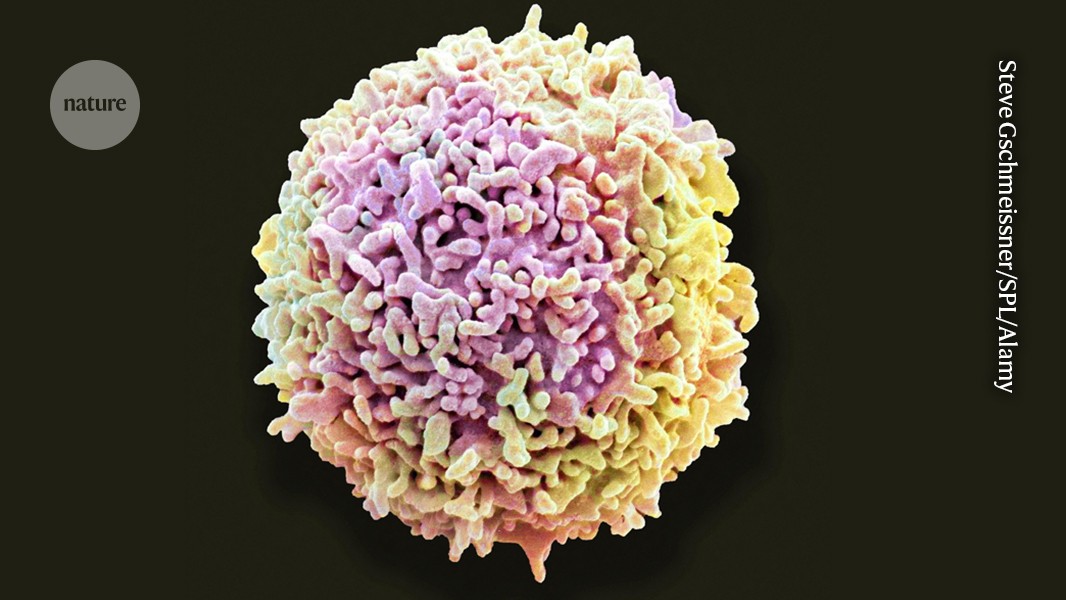
CD8⁺ T cell exhaustion during chronic infection and cancer is marked by impaired effector function and limited responsiveness to stimulation. While memory CD8⁺ T cells can be activated TCR-independently by IL‑12 and IL‑18, it remains unclear whether exhausted cells, despite diminished TCR responsiveness, retain this cytokine-driven effector capacity. Here, we show that IL‑12 and IL‑18 stimulation induce robust IFNγ production in exhausted CD8⁺ T cells from chronic LCMV Cl13 infection, exceeding responses to antigen-specific stimulation. This activation does not result in upregulation of Tox, suggesting engagement of transcriptional circuits distinct from those promoting exhaustion. Single-cell transcriptomics revealed an innate acting T cell (TIA)-specific gene signature enriched within exhausted populations in chronic infection and tumor-infiltrating lymphocytes, particularly at the interface of intermediate and terminal exhaustion. Using heterologous Legionella pneumophila infection, we confirmed in vivo bystander responsiveness of exhausted CD8⁺ T cells, reducing bacterial burden, highlighting their functional capacity. Our findings demonstrate that exhausted CD8⁺ T cells retain inducible effector capacity through IL‑12 and IL‑18 stimulation, providing new insights into possible routes to activate exhausted T cells.
T cell immunomonitoring: a comparative analysis of traditional and novel methods to quantify and characterize human antigen-specific T cells, 2026, Lazzaro et al.
Abstract
T cells are a key component of the adaptive immune system, playing a central role in the body’s defense against pathogens and diseases. Antigen discovery and longitudinal immunomonitoring of antigen-specific T cell responses offer valuable insights into the activity and efficacy of immunotherapies and can guide development of new prophylactic or therapeutic treatments, such as vaccines and cellular therapies.
Traditional immunomonitoring methods for T cell analysis, while foundational, offer limited insights because of the complexity and vast heterogeneity of antigen-specific T cells. Here, traditional and cutting-edge technologies for profiling antigen-specific T cells are reviewed, highlighting the evolution from low- to high-dimensional analyses.
The principles, applications, benefits and limitations of each technique are outlined, and the need for assay harmonization and standardization is discussed. The importance of careful sample processing is also considered.
This review highlights how immunomonitoring techniques can complement each other to maximize understanding of T cell-mediated immunity, a key aspect shaping immunotherapeutic development, now and in the future.
I have done this the last 2 years and it was great to meet a whole bunch of new people, from many countries, at all career stages!
I'll be very happy to chat about career advice, anything about human genetics, open questions in science, or anything else that's on your mind! We'll schedule ~15 min blocks.
Another possible topic is that I am looking to hire:
-- a senior scientist and
--1-2 postdocs
Looking for a strong publication record in at least one of: functional genomics/single cell work/computational methods/statgen/popgen.
If you're interested, please email me and my assistant Lily (our emails are on my lab's contact page); please include at least a sentence about yourself, and your cv, to introduce yourself. Let us know if you have major scheduling constraints.
This site uses cookies to help personalise content, tailor your experience and to keep you logged in if you register.
By continuing to use this site, you are consenting to our use of cookies.