Myalgic encephalomyelitis/chronic fatigue syndrome (ME/CFS): diagnosis and management
[Line breaks added]
Background
Myalgic encephalomyelitis/chronic fatigue syndrome (ME/CFS) has garnered substantial scientific and clinical interest, due to its rising global prevalence and significant pathophysiological overlap with post-acute COVID-19 syndrome (PACS).
This review systematically elucidates the prevailing diagnostic criteria, summarizes recent advances in understanding the potential pathophysiological mechanisms, and evaluates pharmacological and non-pharmacological interventions, and symptom-based assessment and management strategies.
Methods
A comprehensive literature search was conducted across PubMed, Web of Science, Embase, and the Cochrane Library for articles published from inception to August 2025.
Results
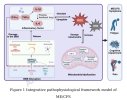
Current diagnostic frameworks for ME/CFS rely primarily on clinical symptomatology and lack definitive biomarkers. Immune dysregulation, oxidative stress, mitochondrial dysfunction, and neuroinflammation are central to its pathology. Pharmacological management includes immunomodulatory treatments, antioxidant therapies, mitochondrial support, and neuroinflammation intervention.
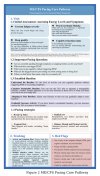
Non-pharmacological strategies such as cognitive behavioral therapy (CBT), graded exercise therapy (GET), activity pacing, and traditional Chinese medicine (TCM) complement biomedical approaches by alleviating symptom severity and promoting energy conservation.
Conclusion
Among these approaches, CBT serves as an adjunctive therapy for symptom management rather than a curative one, whereas GET is contraindicated due to its potential for harm.
Comprehensive clinical assessment and management of ME/CFS requires being symptom oriented and the recognition of individual differences.
Recommended directions for future research include developing biomarker-based diagnostic tools, optimizing combination therapies that target multiple pathophysiological pathways simultaneously, and integrating real-world data and digital health technologies for precise monitoring and management of ME/CFS
Web | DOI | PDF | Journal of Translational Medicine | Open Access
Fan, Jin; Jiao, Jiao; Chang, Hai-Qing; Zhong, Dong-Ling; Liu, Xiao-Bo; Li, Juan; Chen, Ling-Min; Jin, Rong-Jiang; Wu, Xi
[Line breaks added]
Background
Myalgic encephalomyelitis/chronic fatigue syndrome (ME/CFS) has garnered substantial scientific and clinical interest, due to its rising global prevalence and significant pathophysiological overlap with post-acute COVID-19 syndrome (PACS).
This review systematically elucidates the prevailing diagnostic criteria, summarizes recent advances in understanding the potential pathophysiological mechanisms, and evaluates pharmacological and non-pharmacological interventions, and symptom-based assessment and management strategies.
Methods
A comprehensive literature search was conducted across PubMed, Web of Science, Embase, and the Cochrane Library for articles published from inception to August 2025.
Results
Current diagnostic frameworks for ME/CFS rely primarily on clinical symptomatology and lack definitive biomarkers. Immune dysregulation, oxidative stress, mitochondrial dysfunction, and neuroinflammation are central to its pathology. Pharmacological management includes immunomodulatory treatments, antioxidant therapies, mitochondrial support, and neuroinflammation intervention.
Non-pharmacological strategies such as cognitive behavioral therapy (CBT), graded exercise therapy (GET), activity pacing, and traditional Chinese medicine (TCM) complement biomedical approaches by alleviating symptom severity and promoting energy conservation.
Conclusion
Among these approaches, CBT serves as an adjunctive therapy for symptom management rather than a curative one, whereas GET is contraindicated due to its potential for harm.
Comprehensive clinical assessment and management of ME/CFS requires being symptom oriented and the recognition of individual differences.
Recommended directions for future research include developing biomarker-based diagnostic tools, optimizing combination therapies that target multiple pathophysiological pathways simultaneously, and integrating real-world data and digital health technologies for precise monitoring and management of ME/CFS
Web | DOI | PDF | Journal of Translational Medicine | Open Access