Chandelier
Senior Member (Voting Rights)
Article from public service broadcaster WDR that describes ME/CFS and the patient’s struggles pretty well:

 www1.wdr.de
AI Summary:
Komplett aus dem Leben gerissen - das lange Leiden der Post-Covid und ME/CFS-Patienten
Post Covid ist schwer zu greifen. Fast 200 Symptome lassen Ärzte und Betroffene im Dunkeln tappen. Eine Initiative soll helfen.
www1.wdr.de
AI Summary:
Overview of the initiative
A new initiative aims to improve the situation for people with Post Covid and ME/CFS, conditions that involve almost 200 symptoms and often leave patients—many of them children—unable to live normal lives. Lung specialist Heinz-Wilhelm “Doc” Esser says the initiative is an important step that will push research forward, though more progress is needed. He criticizes that the state of North Rhine-Westphalia ended its Long- and Post-Covid counseling service after only six months. Esser is cautiously optimistic because researchers with relevant projects are now involved. He moderated the launch event in Berlin.
Impact on children and families
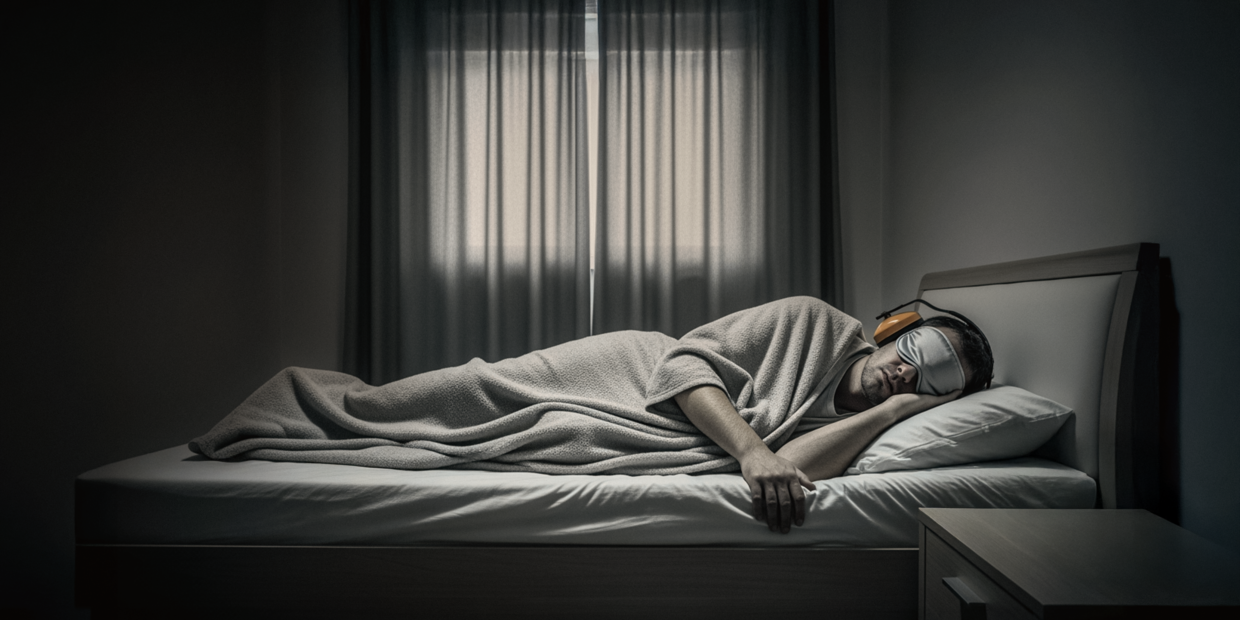
Claudia D., a representative for the association “nichtgenesenkids e.V.”, has two children with ME/CFS. She says they spend almost the entire day in darkness and that around 150,000 children in Germany are affected but remain unseen in daily life. The illness is classified into four severity levels, and even mild cases cause drastic limitations. Her own children lie down most of the time but can still eat and go to the bathroom, placing them between moderate and severe. Some children have to be fed because they cannot hold cutlery. Most fall ill between ages 10 and 14, losing any life perspective. Parents’ lives are also heavily affected; Claudia D. had to stop working shifts. She and her husband manage only because their employers allow extensive remote work. Many parents are constantly overwhelmed. She finds support in self-help groups.
Experiences of adult patients
Katharina K. has had ME/CFS for about three years and works to raise public awareness. She also relies on self-help groups because, according to her, medical care does not help. She describes widespread ignorance in the healthcare system and says she is currently looking for a doctor again, after two practices “ghosted” her. She sees no specialized practices or clinics and says everything she knows comes from self-help groups. The Facebook group “Long Covid Deutschland” has almost 12,500 members.
Structural problems in the health system
According to Esser, many patients fall through the cracks because research has been lacking and the patient group was long considered too small. Katharina K. adds that there is hardly any infrastructure for the necessary research. Claudia D. says many patients are not taken seriously, and mothers sometimes receive unfounded accusations. She believes research would be further along if more men were affected; women are three times more likely to have ME/CFS, according to the German ME/CFS Society. She contrasts the lack of systemic support with other medical situations, saying that the system would respond if someone had a premature baby, but “nothing starts” for ME/CFS families.
Everyday limitations and deterioration
The burdens patients endure vary: for some, even a touch worsens their condition; for others, it is a walk that leads to delayed deterioration. Patients must stay within their limited energy levels. Overexertion, such as a birthday visit, can cause children to “crash” completely.
Psychological strain and resilience
Katharina K. says she is fortunate to have a good psychotherapist, a stable social environment, and her children, but emphasizes that great resilience is required. Claudia D. says the psychological strain is enormous but sees no alternative, stating, “There is none.”