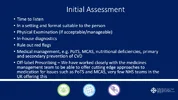
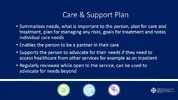
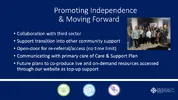
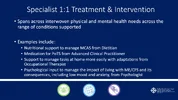
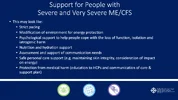
That ad suggests the service is probably not safe for people with ME/CFS.
I've had posting these on my to do list for a while now, kindly sent by the ME Voices Wales team:
Answers to the questions asked at the Betsi Cadwaladr UHB's Living Well Service presentation mentioned upthread:
e.g.
19. Can you explain why psychologists are running courses for people with a neurological illness? What medical knowledge do they have for this job? This is not a personal comment on them, but on the role of psychologists generally, which people assume to normally be connected to psychological problems.
We understand why people may have this concern, especially given the historical ways ME/CFS has been misunderstood and treated. Psychologists can work in many different healthcare settings, including physical health settings, with a range of different ways that they can contribute to the health and wellbeing of patients.
The psychologist’s role within the multidisciplinary BCUHB Living Well service is to help people living with ME/CFS (and the wider MDT) to understand and adapt to the psychological consequences of living with a disabling and often unpredictable physical condition. The ways in which they do this may include:
It's all very vague. It is claimed that there is compliance with the NICE Guidelines, but we know that there are holes in those large enough to let through things like symptom-contingent GET and goal setting that encourages people to try just a bit harder.
I've had posting these on my to do list for a while now, kindly sent by the ME Voices Wales team:
Answers to the questions asked at the Betsi Cadwaladr UHB's Living Well Service presentation mentioned upthread:
e.g.
19. Can you explain why psychologists are running courses for people with a neurological illness? What medical knowledge do they have for this job? This is not a personal comment on them, but on the role of psychologists generally, which people assume to normally be connected to psychological problems.
We understand why people may have this concern, especially given the historical ways ME/CFS has been misunderstood and treated. Psychologists can work in many different healthcare settings, including physical health settings, with a range of different ways that they can contribute to the health and wellbeing of patients.
The psychologist’s role within the multidisciplinary BCUHB Living Well service is to help people living with ME/CFS (and the wider MDT) to understand and adapt to the psychological consequences of living with a disabling and often unpredictable physical condition. The ways in which they do this may include:
- Supporting people with the substantial changes that illness can bring to identity, relationships, employment, education, independence and future expectations;
- Helping people develop psychologically informed strategies for managing symptoms, uncertainty, setbacks and relapses
- Supporting people with ME/CFS who experience difficulties with nervous system regulation, for example by helping them understand and respond to the effects of autonomic arousal, sensory overload, stress and disrupted sleep
- Assessing and treating the psychological consequences of living with ME/CFS such as anxiety, depression, panic, trauma-related symptom, adjustment difficulties, grief and loss, where these are present
- Helping people to develop a sense of agency and control over how they manage their illness and the interactions with healthcare providers they may need to have
- Supporting the multi-disciplinary team to understand all of the issues described above and to understand how to take this into account to tailor their support and intervention appropriately
- Supporting communication and collaborative decision-making within the wider multidisciplinary team
- The BCUHB Living Well Service is also co-led by a Consultant Clinical Psychologist and a Consultant Physiotherapist. The benefits of this co-leadership model are that the service has a truly holistic focus and range of expertise driving the person-centred multi-dimensional approach
It's all very vague. It is claimed that there is compliance with the NICE Guidelines, but we know that there are holes in those large enough to let through things like symptom-contingent GET and goal setting that encourages people to try just a bit harder.
Attachments
Last edited: