

Chandelier
Senior Member (Voting Rights)
We Still Haven’t Processed the Pandemic
Novels set during the height of COVID-19 fail to tell the full story of that era of mass death and despair.
 www.currentaffairs.org
4300-word article.We Still Haven’t Processed the Pandemic
Novels set during the height of COVID-19 fail to tell the full story of that era of mass death and despair.
Morgan Leigh Davies
Some snippets from skimming through:
Frustratingly, despite the fact that at least 400 million people live with Long COVID worldwide, this condition has been written about less than any other aspect of the COVID pandemic to date. Only one novel, Patricia Lockwood’s surreal Will There Ever Be Another You, has delved into the alarming, disorienting experience of living with the condition long-term. Yet even in that groundbreaking novel, Lockwood avoids invoking the term “COVID,” probably put off by publishing’s hesitancy to engage with the subject. (Even in an interview with NPR, she described her illness as “the long C word.”)
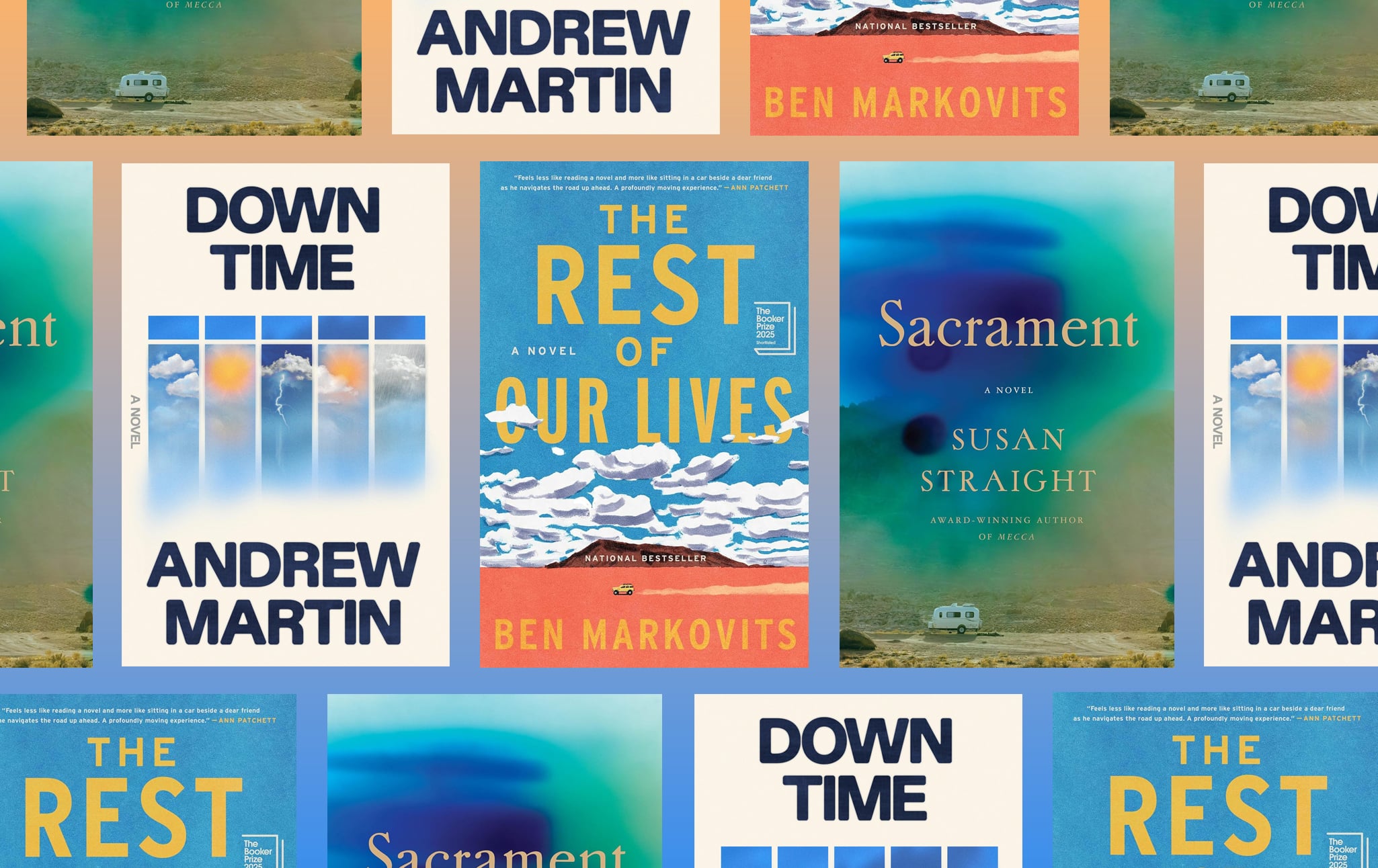
In fact, Tom’s experience of “Long COVID” is the best possible scenario for many: he is still “basically functional,” he has a vastly wider safety net than most Americans, and he possesses all the advantages that come with being white, cis, straight, and male in the healthcare system. I am still waiting to read a book about someone with Long COVID who scrambles to get on disability, struggles to navigate applying for SNAP, and is in danger of losing their housing. Still, Markovits’s novel shows that even the most privileged people receive inadequate care when their symptoms can’t be easily explained. Tom is dismissed by his doctor, who views his symptoms as trivial. Tom is thus given permission to write his illness off himself, with potentially grave consequences.
Yet his behavior also exists in a wider social context, one in which Long COVID is frequently minimized or treated as a hoax. When society at large acts as though the pandemic is “over” and barely acknowledges that Long COVID exists, it’s even more tempting to behave as though you are still “normal,” even if your health has been severely impacted. It’s easier, instead, to avoid confronting an uncomfortable reality.
Sacrament, then, is an example of a book written by an author who is willing to step outside of herself to tell the story of the pandemic through the eyes of essential workers who didn’t have the luxury to stay at home when the world shut down. Her perspective is broad, encompassing nurses, their family members, farm workers, what it feels like to have the virus, what it’s like to see death, and the effects of Long COVID. It is the most honest and expansive portrait of how COVID has affected Americans to date.
It’s so much easier to pretend that COVID is something bad that happened but is now fully in the past, to focus instead on stories that bring “good vibes.”
But that’s merely a way of living in denial. Instead, I’m waiting for more COVID novels: slim works of autofiction that work through the grief of losing a loved one. Dark thrillers about the madness of having to work as a deliveryperson or hospital runner during the peak of 2020, or about finding yourself trapped with an abuser during lockdown. Experimental novels about living with Long COVID, passing countless days that all seem the same. A grand social novel that encompasses all these stories. Because we’re not living in a post-pandemic society: we’re living in a society that is constantly being shaped by a pandemic that never really ended. Art should try to tell that story.