Brain 5-HT1A Receptor Binding in Chronic Fatigue Syndrome Measured Using Positron Emission Tomography and [11C]WAY-100635, 2005, Cleare et al

ME/CFS Science Blog

Senior Member (Voting Rights)

Abstract​

Background: Research from neuroendocrine challenge and other indirect studies has suggested increased central 5-HT function in chronic fatigue syndrome (CFS) and increased 5-HT1A receptor sensitivity. We assessed brain 5-HT1A receptor binding potential directly using the specific radioligand [11C]WAY-100635 and positron emission tomography (PET).

Methods: We selected 10 patients from a tertiary referral clinic who fulfilled the CDC consensus criteria for CFS. To assemble a homogenous group and avoid confounding effects, we enrolled only subjects who were completely medication-free and did not have current comorbid psychiatric illness. We also scanned 10 healthy control subjects.

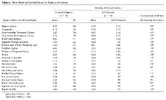
Results: There was a widespread reduction in 5-HT1A receptor binding potential in CFS relative to control subjects. This was particularly marked in the hippocampus bilaterally, where a 23% reduction was observed.

Conclusions: There is evidence of decreased 5-HT1A receptor number or affinity in CFS. This may be a primary feature of CFS, related to the underlying pathophysiology, or a finding secondary to other processes, such as previous depression, other biological changes or the behavioral consequences of CFS.

Link:

 
Last edited by a moderator:
Are you thinking about receptor affinity in the context of other potential neurological things cropping up around synapses, GPCRs and ion channels @ME/CFS Science Blog ?
Wasn't thinking much to be honest. Just bumped into this older PET study when looking for something else. Didn't know about it before. Interested in hearing what others make of it.
 
Wasn't thinking much to be honest. Just bumped into this older PET study when looking for something else. Didn't know about it before. Interested in hearing what others make of it.
Based upon nothing but vibes… this seems to in some ways trying to do the old thing of linking to depression and the idea of less serotonin (although I can’t see the whole paper so can’t be sure). But the idea of possible receptor affinity seems interesting to me. There so much else hinting at things around here to me, but I don’t understand enough biology let alone neuroscience to get my head around it.
 
Controls were tested at the same time as the patients.
Ten healthy volunteers were used as a control group and received contemporaneous [11C]WAY-100635 PET scans

Binding potential to 5HT1A is lower in ME/CFS at every region of the brain, according to table 2.
1784693962132.webp

No correlations of binding potential with any clinical variables:
There were no significant correlations between BP values in any ROI and the main clinical variables (total scores on the Chalder fatigue, GHQ, BDI, WSAS, Spielberger state anxiety and trait anxiety scales, and illness duration) in patients

They went into this study expecting upregulated 5HT1A receptors, at least partly based on the buspirone/fenfluramine prolactin studies:
Thus, given the preliminary neuroendocrine evidence of 5-HT1A receptor upregulation, the overlap with depression and the link with the HPA axis, we felt it was necessary to assess more directly the status of 5-HT1A receptors in CFS.

They found the opposite:
The reduced BP observed with [11C]WAY 100635 suggests either a reduction in the number of 5-HT1A receptors or a reduction in their affinity for [11C]WAY 100635. In both cases, this suggests that the previous neuroendocrine challenge studies using 5-HT1A agonists cannot be explained by an increase in brain 5-HT1A receptor binding potential.
 
The problem with this is they didn't properly control for people with long-term antidepressant use. Long term use of serotonin reuptake inhibitors (which is not just SSRIs but most antidepressants), leads to long term depression of 5HT1A receptor desensitization and this is part of the reason why antidepressant withdrawal is so difficult for many people.
 
Back
Top Bottom