Cognitive-behavioral therapy for post COVID-19 condition: A pilot randomized controlled trial
BACKGROUND
The post COVID-19 condition (PCC) is a disabling condition with urgent need for effective treatments. This pilot randomized controlled trial examined the feasibility and efficacy of a cognitive-behavioral therapy (CBT) for PCC in a parallel-group design.
METHODS
N = 53 individuals with PCC were randomized to CBT (n = 27) or 16-week wait-list control (WLC) condition (n = 26). One participant allocated to WLC was excluded after randomization, resulting in an intention-to-treat (ITT) sample of N = 52 participants (CBT: n = 27, age: M = 48.59, SD = 11.52, 77.8% female; WLC: n = 25, Age: M = 48.44, SD = 9.81, 60% female). CBT comprised eight group and five individual sessions addressing cognitive and behavioral factors of symptom maintenance (treatment duration if completed: M = 14 weeks, SD = 1 week). Primary outcomes included fatigue (FSS), overall somatic symptom burden (PHQ-15), and respiratory and cardiovascular symptoms (SBQ™-LC “Breathing” and “Circulation”), assessed at pre-, post-assessment, and follow-up.
RESULTS
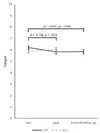
Participants receiving CBT showed a significant medium-sized reduction in fatigue directly after treatment compared to the WLC condition (d = −0.58, p = .045), whereas the WLC group showed a significant increase in overall somatic symptoms (d = 0.60, p = .027). Results for respiratory symptoms were mixed, showing inconsistent patterns across analyses. Retrospectively assessed feasibility and treatment satisfaction were good, with few adverse effects reported.
CONCLUSIONS
This pilot trial suggests the feasibility and preliminary efficacy of CBT for PCC. Larger RCTs with active control groups should confirm these findings.
HIGHLIGHTS
• Pilot RCT supports feasibility and acceptability of CBT for post COVID-19.
• Medium-sized reduction of fatigue directly after CBT in post COVID-19.
• Mixed results in relation to respiratory and cardiovascular symptoms.
Web | DOI | Journal of Psychosomatic Research | Paywall
Sauer; Bräscher; Germer; Huth; Kolb; Mütze; Witthöft
BACKGROUND
The post COVID-19 condition (PCC) is a disabling condition with urgent need for effective treatments. This pilot randomized controlled trial examined the feasibility and efficacy of a cognitive-behavioral therapy (CBT) for PCC in a parallel-group design.
METHODS
N = 53 individuals with PCC were randomized to CBT (n = 27) or 16-week wait-list control (WLC) condition (n = 26). One participant allocated to WLC was excluded after randomization, resulting in an intention-to-treat (ITT) sample of N = 52 participants (CBT: n = 27, age: M = 48.59, SD = 11.52, 77.8% female; WLC: n = 25, Age: M = 48.44, SD = 9.81, 60% female). CBT comprised eight group and five individual sessions addressing cognitive and behavioral factors of symptom maintenance (treatment duration if completed: M = 14 weeks, SD = 1 week). Primary outcomes included fatigue (FSS), overall somatic symptom burden (PHQ-15), and respiratory and cardiovascular symptoms (SBQ™-LC “Breathing” and “Circulation”), assessed at pre-, post-assessment, and follow-up.
RESULTS
Participants receiving CBT showed a significant medium-sized reduction in fatigue directly after treatment compared to the WLC condition (d = −0.58, p = .045), whereas the WLC group showed a significant increase in overall somatic symptoms (d = 0.60, p = .027). Results for respiratory symptoms were mixed, showing inconsistent patterns across analyses. Retrospectively assessed feasibility and treatment satisfaction were good, with few adverse effects reported.
CONCLUSIONS
This pilot trial suggests the feasibility and preliminary efficacy of CBT for PCC. Larger RCTs with active control groups should confirm these findings.
HIGHLIGHTS
• Pilot RCT supports feasibility and acceptability of CBT for post COVID-19.
• Medium-sized reduction of fatigue directly after CBT in post COVID-19.
• Mixed results in relation to respiratory and cardiovascular symptoms.
Web | DOI | Journal of Psychosomatic Research | Paywall