News from The Netherlands

Some reporting and photos of today's demonstration. Sorry for Xitter, but I'm not seeing this elsewhere.

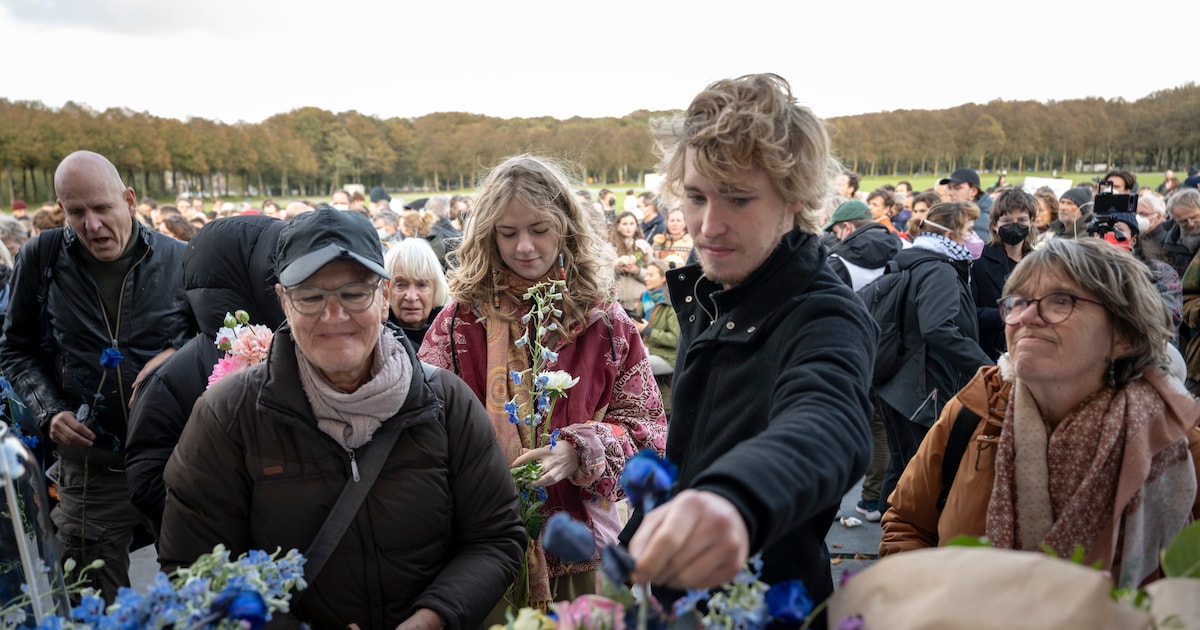
Photos taken on site by a member of parliament:
What an impressive and charged protest for people with ME/CFS.So many people have not gotten better after an infectious disease. They are not asking for a magical cure, but to not be forgotten and for long-term research. In hope for life instead of hopeless suffering.


And a TV news report:
Opening NOS 8 p.m. news on the content of this article , and on the PAIS demonstration on the Malieveld today.
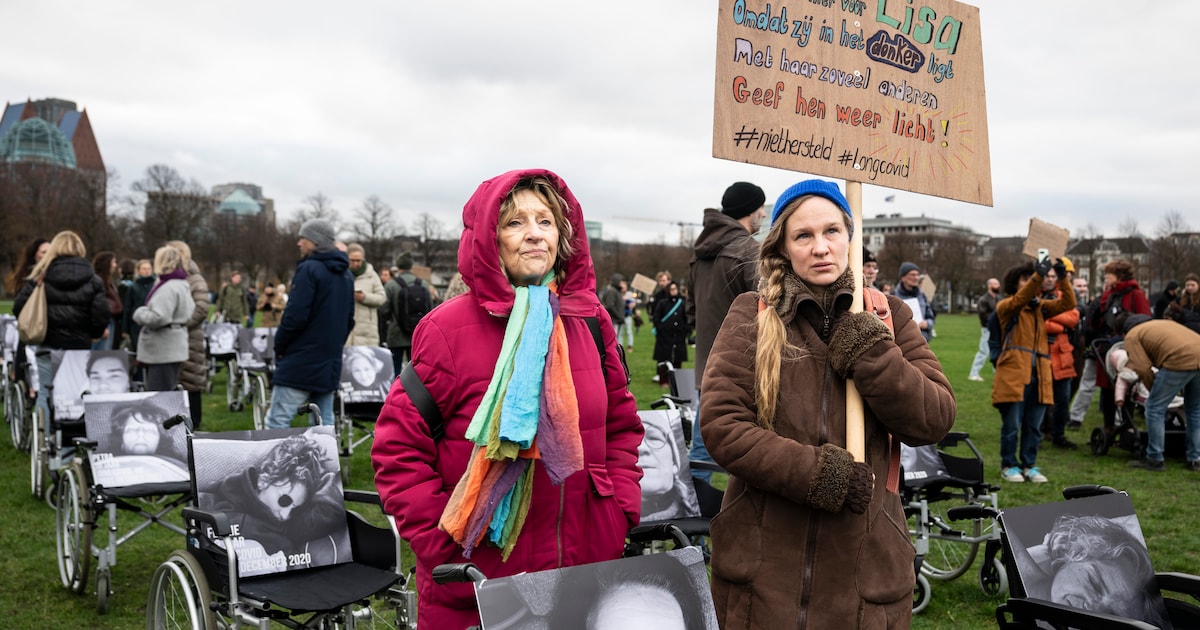
 
Protest wake in The Hague for patients with post-acute infectious disease: ‘She lives her life, but that’s not life’
On Sunday, hundreds of family members and friends of patients who are too ill to demonstrate were gathered at Malieveld in The Hague. They lie in the dark, while time slips. “We don’t wait for a miracle, we wait for science.”
 
Opinion: A year after the first PAIS protest in The Hague, it is still dark
Full care is needed for patients with post-acute infectious disease (PAIS). The healthcare field cannot solve this independently without government control, and patients have had it all with their own invisibility.
 
I would have considerably more sympathy for doctors if they admitted that at this stage they really do not have any robustly demonstrated treatments to offer in the clinic, and barely even any vaguely useful management suggestions, and want adequate funds to be spent on competent research until they do, and practical material support for patients in the meantime.
 
Really a remarkable string of media coverage from the Netherlands in recent days.

In this disease, even a conversation can make you sicker for days
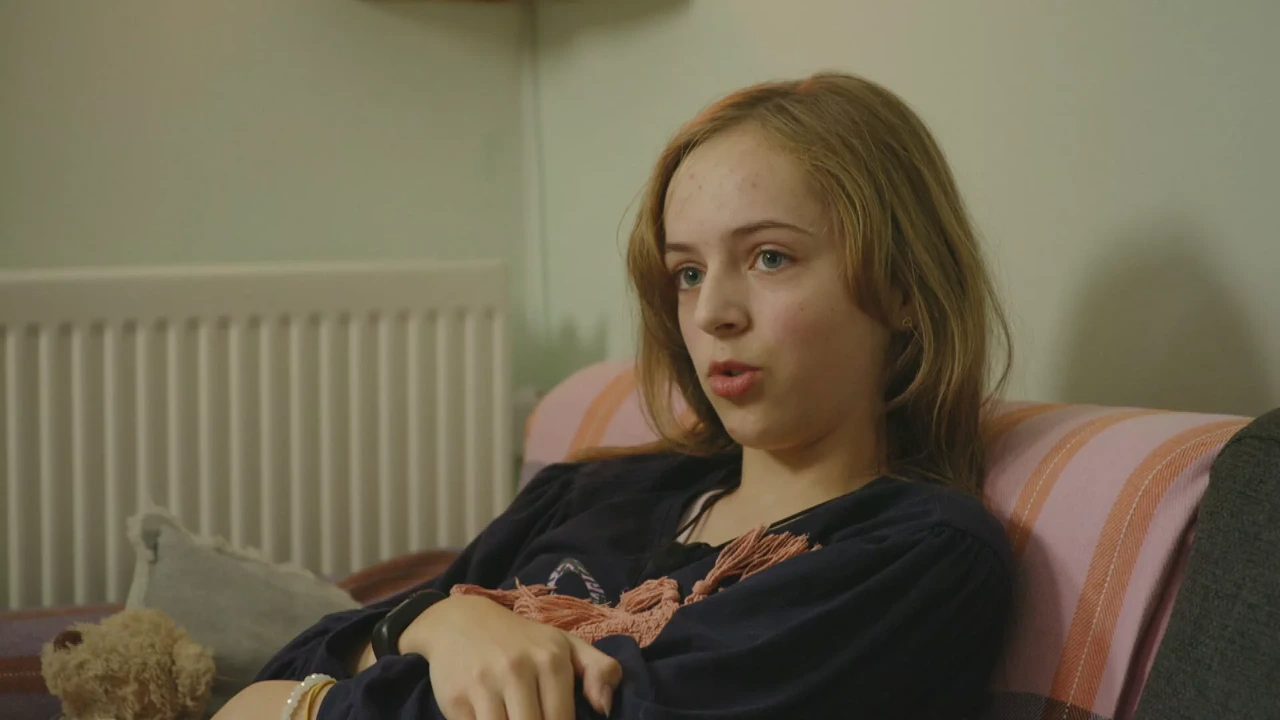
Five years ago, Beth Dobbin sprinted at the Olympics. Now she is in bed by ME for more than 22 hours a day. Even a conversation can make her complaints worse. Movement scientist Rob Wüst explains what makes this disease so drastic.

The British Dobbin is 32, but she has largely lost her independence. In an interview with BBC Sport, she says she has only left her home five times this year. She mainly gets out of bed to eat and go to the toilet. Even sitting upright for a long time is hard.
 
1 in 10 patients recover from postcovid. Disappointing, finds pulmonologist Jolanda Kuijvenhoven

One in ten people with postcovid gets better. The largest group of patients is not fully recovering, according to research by Frisius MC and the UMCG. A new care path should help them learn to live with it as best they can.
An important conclusion is that the patients do not need medical-specialist care, but can benefit from a physiotherapist or occupational therapist or speech therapist.

Based on the results, the researchers have therefore made a manual for general practitioners so that they can better recognize postcovid. Kuijvenhoven: “We want to turn the care path from the hospital to the first line. The doctor is also much closer to the patient.”
Anything you can do to calm the nervous system is worth figuring out, the pulmonologist argues. “That seems completely disordered.” She sees in her patients that they are trying everything in this area. ‘Brain training, methods via a self-help book, breathing and relaxation therapy. It’s really looking for what suits you, and you have to be a little open to it.”

Although the outcomes are disappointing, they are important enough to present, the researchers argue.
The full research results will be presented at a symposium on postcovid in the week of 10 November.
 
An important conclusion is that the patients do not need medical-specialist care, but can benefit from a physiotherapist or occupational therapist or speech therapist.
‘Brain training, methods via a self-help book, breathing and relaxation therapy. It’s really looking for what suits you, and you have to be a little open to it.”
They are openly embracing alternative treatments while also claiming that there is no need for proper treatments or care.
 
A gold mine for future medical research disappears in the trash: ‘This is a huge capital destruction’
Files of tens of thousands of patients with postcovid and Q fever are in danger of being destroyed by the end of this week, while those contain a wealth of research data. The foundation that has supervised patients for years is being dissolved and says that the collected data should not be shared for privacy reasons.
It's a terrible way of handling this, but then again it's hard to see this data as having much actual value given that it's likely mostly junk questionnaires and contains lots of incorrect details. It's not as if it's real medical data :rolleyes: .
 
Back
Top Bottom