The Sick Times: A journalist-founded website chronicling the Long Covid crisis

40-min podcast.

What can professional athletes teach us about Long COVID and rest?​

Oonagh Cousins was preselected for the Tokyo Olympics as a professional rower on the British team — until Long COVID derailed everything.

In this episode of Still Here, co-hosts Miles Griffis and Betsy Ladyzhets talk to Cousins about developing severe Long COVID at the start of the pandemic, her years-long attempt to return to elite training, and the relapse that ultimately forced her retirement in 2022.
She is one of many professional athletes grappling with infection associated chronic conditions, including NHL player Jonathan Toews, tennis player Emily Radacanu, and many more.
Cousins reflects on how her athletic background reshaped her understanding of rest, toughness, and listening to her body, and speaks candidly about pushing back on harmful “brain retraining” programs.
 

Abandoned by our governments, people with severe ME and Long COVID are supported by severely ill peers​

Written by Whitney Fox
July 20, 2026

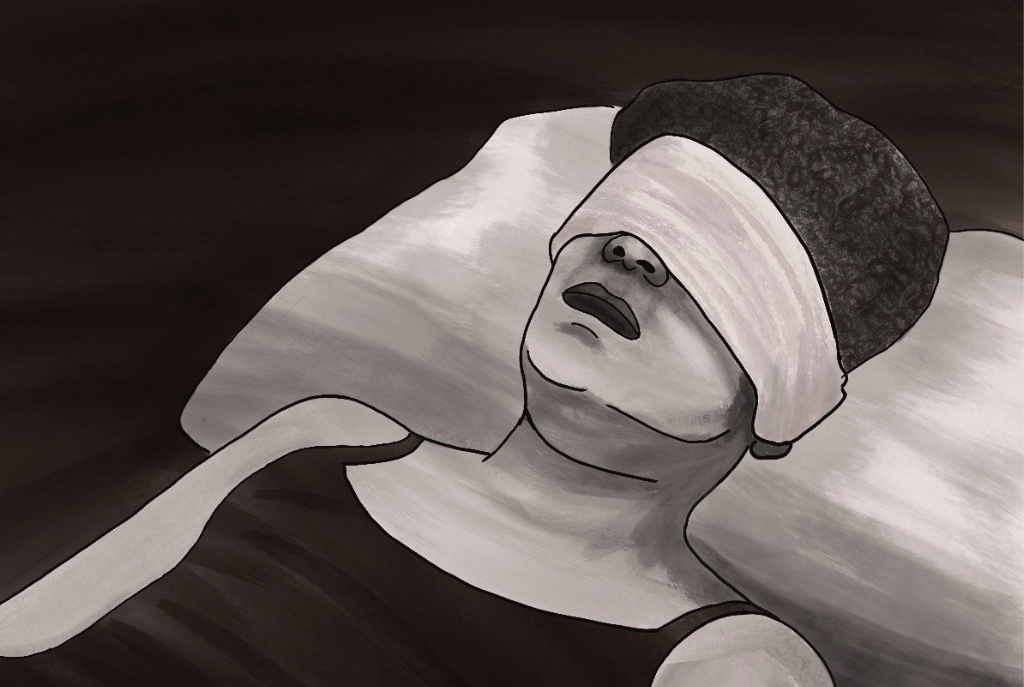
Mari, a Black Canadian woman with severe myalgic encephalomyelitis (ME), is supported by fellow people with ME in the absence of institutional care.


How to interpret clinical trial results for Long COVID​

Written by Simon Spichak
July 21, 2026

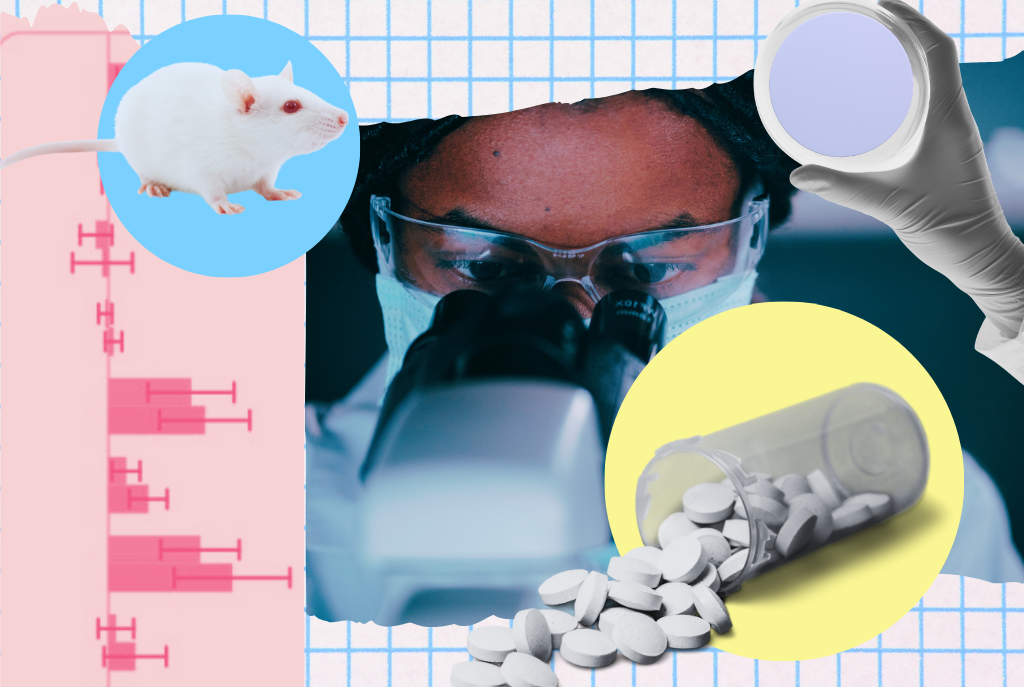
Even when results are “statistically significant,” the treatment might not actually work.


Key points you should know:
  • There are currently no approved treatments for Long COVID. Experts say that the diversity of symptoms and severity makes it more difficult to run clinical trials.
  • Trials of new drugs and devices are stratified by phases. Only phase 3 trials are designed to prove that a treatment is effective.
  • When reading a study, experts say it’s important to note whether the primary outcome, which determines whether a trial succeeds, is both statistically significant and clinically meaningful. A statistically significant outcome does not necessarily mean an intervention will meaningfully improve one’s daily life.
  • To understand whether an off-label medication may benefit you, experts say it’s important to understand whether the studied population has similar symptoms and clinical presentation to you, and to work with a medical provider to ensure a treatment is trialed safely.
Simon Spichak also wrote a resource for evaluating clinical trial results that accompanies this story.
 
Back
Top Bottom