Of course humans can further our understandings where in vivo studies are necessary because humans are currently the only ones that are able to do them.
Maybe that was badly worded by myself, "you cannot expect humans to make progress via in vitro studies if in vivo studies are necessary to make progress" was the intention of what I was saying.
But that’s different from experimenting with interventions because that’s already covered by current laws and regulations. So if you want to do it faster you would need to change the entire legal system. That seems like a pretty tall order. In comparison, most of AI is currently exploiting unregulated spaces so they can move as quickly as they like.
Aren't people advocating for AIs combing through EHR records, subsequently contacting people, then analysing the data and so forth? I could be wrong but I find it hard to imagine that ethical considerations will be a bottleneck when they seem to not hamper contracts with the DOD. From what I'm gathering you're arguing that in vivo work is necessary and the legal system will not allow for automation? I agree that in vivo work is necessary and I guess you could be right about the legal things (and I hope you are), but I might place my bets on the companies who are backed by the largest law firms and have more political influence than major countries.
In comparison, most of AI is currently exploiting unregulated spaces so they can move as quickly as they like.
The people that I know that work for AI companies (or tech in general) all work for companies that all very much knowingly and happily break the GDPR.
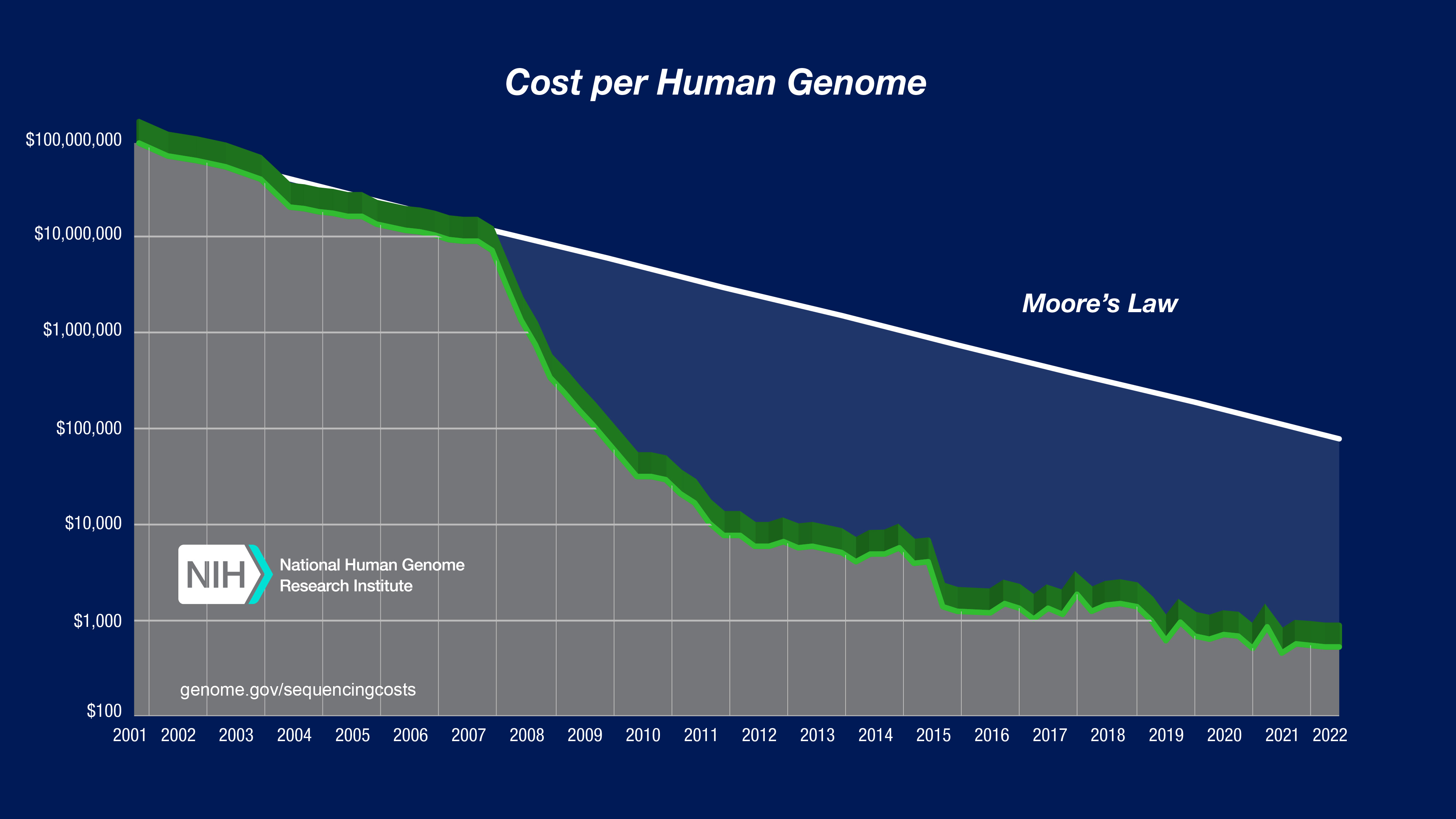
But it comes back to cost. Why would Anthropic or anyone else continue to poor money into this? They are using these as marketing tools atm.
But that's the point. They don't have to pour much more in these areas, certainly not as much as everybody was thinking 8 months ago. Of course it is marketing, but does that matter for the argument?
I agree with a lot of what you say but am a but am really thrown by the ‘costs doesn’t matter’ argument. At least in the here and now which is something we can know. Maybe I’m missing something though!
Of course costs matter. But for programming and mathematics the costs argument, that was omnipresent argument until recent progress, seems to have become irrelevant due to the speed of progress. This means investments necessary to outperform humans at these tasks are now seemingly negligible, at least for the majorty of people working in these field. An hypothetical analogy: The development of ChatGPT 30.9 might cost further trillions, but there will be a competitor product that is worse but requires negligible costs to develop that can cover mathematics and programming sufficiently to outperform humans.
Of course there are a whole load of others costs that are not discussed here. The cost to society, the cost to future society, the true cost of fossil fuel etc, but that tends to be ignored...