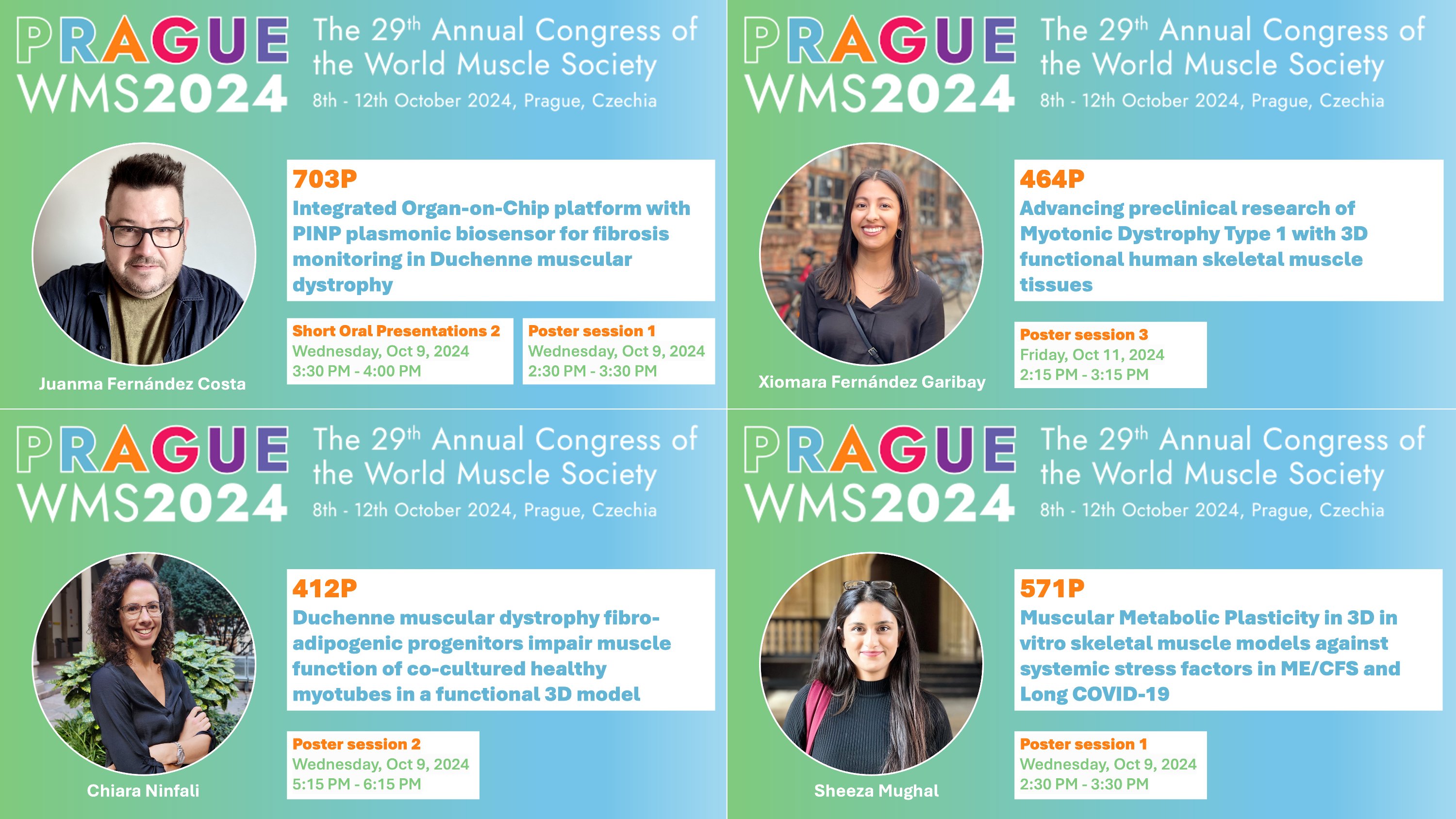
Metabolic adaptation and fragility in healthy 3-D in vitro skeletal muscle tissues exposed to [CFS] and Long COVID-19 sera, 2025, Mughal+

Dolphin

Senior Member (Voting Rights)
Preliminary abstract, see post #13 for final paper.
-----------------


https://www.sciencedirect.com/science/article/abs/pii/S0960896624003353

571P Muscular metabolic plasticity in 3D in vitro models against systemic stress factors in ME/CFS and long COVID-19
Author links
1
Institute For Bioengineering Of Catalonia BIST, Barcelona, Spain
2
ICREA Institució Catalana de Recerca i Estudis Avançats, Barcelona, Spain
3
Institut d'Investigacions Biomèdiques August Pi i Sunyer, Barcelona, Spain
4
Universitat de Barcelona, Barcelona, Spain
Available online 4 October 2024, Version of Record 4 October 2024.


https://doi.org/10.1016/j.nmd.2024.07.171Get rights and content

Myalgic encephalomyelities/ chronic fatigue syndrome and long COVID-19 are clinically challenging, multi-symptomatic conditions with multiple overlapping symptoms.

Unfortunately, contemporary research is directly being done on patients which risks exacerbating their symptoms.

Using our 3-D in vitro skeletal muscle tissues we have mapped the progression of functional, physiological, and metabolic adaptations of the tissues in response to patient sera over time.

During short exposure we treated the tissues for 48 hours with patient sera.

The contractile profiles of these tissues were severely compromised.

Transcriptomic analyses of these short exposure samples showed an absence of significant differentially expressed genes between ME/CFS and LC-19.

The analyses revealed an upregulation of glycolytic enzymes especially of PDK4, suggesting a switch away from Oxidative Phosphorylation as well as a decline in DRP1, involved in mitochondrial fission.

Subsequent structural analyses confirmed hypertrophy in myotubes and hyperfused mitochondrial networks.

Mitochondrial oxygen consumption capacity, evaluated through the MitoStress test, was also elevated, as was the non-mitochondrial respiration confirming the shift to glycolysis.

Interestingly, at short exposures of 48 hours, the muscle tissues appeared to be adapting to the stress factors by upregulating glycolysis and increasing the muscular metabolic volume.

Prolonging the exposure to 96 and 144 hours induced high fatiguability, and fragility in tissues.

The mitochondria, at longer exposures, appeared to be fragmented and assumed a toroidal conformation indicating a change in mitochondrial membrane potential.

We hypothesize that the disease progresses through an intermediary stress-induced hypermetabolic state, ultimately leading to severe deterioration of muscle function.

This is the first account of research that proposes acquired metabolic plasticity in 3D skeletal muscles exposed to ME/CFS and Long COVID-19 sera.

S. Mughal, F. Andújar-Sánchez, M. Sabater-Arcis, J. Fernández-Costa, J. Ramón-Azcón,
571P Muscular metabolic plasticity in 3D in vitro models against systemic stress factors in ME/CFS and long COVID-19,
Neuromuscular Disorders,
Volume 43, Supplement 1,
2024,
104441.162,

 
Last edited by a moderator:
Wow! This seems significant to me, exhibiting the effects of patient serum on muscle tissue just in a matter of days. Thanks for posting @Dolphin

There is suggestion of the PDK4-SEPT2-DRP1 axis implicated in neurodegenerative diseases and ER stress, but in context with above study in muscle tissue there is also relevance to sarcopenia exhibited in this study:
The Link between Mitochondrial Dysfunction and Sarcopenia: An Update Focusing on the Role of Pyruvate Dehydrogenase Kinase 4

Sarcopenia, defined as a progressive loss of muscle mass and function, is typified by mitochondrial dysfunction and loss of mitochondrial resilience. Sarcopenia is associated not only with aging, but also with various metabolic diseases characterized by mitochondrial dyshomeostasis. Pyruvate dehydrogenase kinases (PDKs) are mitochondrial enzymes that inhibit the pyruvate dehydrogenase complex, which controls pyruvate entry into the tricarboxylic acid cycle and the subsequent adenosine triphosphate production required for normal cellular activities. PDK4 is upregulated in mitochondrial dysfunction-related metabolic diseases, especially pathologic muscle conditions associated with enhanced muscle proteolysis and aberrant myogenesis. Increases in PDK4 are associated with perturbation of mitochondria-associated membranes and mitochondrial quality control, which are emerging as a central mechanism in the pathogenesis of metabolic disease-associated muscle atrophy. Here, we review how mitochondrial dysfunction affects sarcopenia, focusing on the role of PDK4 in mitochondrial homeostasis. We discuss the molecular mechanisms underlying the effects of PDK4 on mitochondrial dysfunction in sarcopenia and show that targeting mitochondria could be a therapeutic target for treating sarcopenia.

Observe sarcopenia can be a consequence of cancer cachexia, malabsorption, and sepsis / infection.

PDC activity is controlled by mitochondrial PDKs; among these, PDK4 is highly expressed in both starved and obese muscle tissue in animal models


Why might mitochondria fragment one might ask?

Mitochondrial Fragmentation Promotes Inflammation Resolution Responses in Macrophages via Histone

During the inflammatory response, macrophage phenotypes can be broadly classified as pro-inflammatory/classically activated “M1”, or pro-resolving/alternatively “M2” macrophages. Although the classification of macrophages is general and assumes there are distinct phenotypes, in reality macrophages exist across a spectrum and must transform from a pro-inflammatory state to a proresolving state following an inflammatory insult. To adapt to changing metabolic needs of the cell, mitochondria undergo fusion and fission, which have important implications for cell fate and function. We hypothesized that mitochondrial fission and fusion directly contribute to macrophage function during the pro-inflammatory and proresolving phases. In the present study, we find that mitochondrial length directly contributes to macrophage phenotype, primarily during the transition from a pro-inflammatory to a proresolving state. Phenocopying the elongated mitochondrial network (by disabling the fission machinery using siRNA) leads to a baseline reduction in the inflammatory marker IL-1β, but a normal inflammatory response to LPS, similar to control macrophages. In contrast, in macrophages with a phenocopied fragmented phenotype (by disabling the fusion machinery using siRNA) there is a heightened inflammatory response to LPS and increased signaling through the ATF4/c-Jun transcriptional axis compared to control macrophages. Importantly, macrophages with a fragmented mitochondrial phenotype show increased expression of proresolving mediator arginase 1 and increased phagocytic capacity. Promoting mitochondrial fragmentation caused an increase in cellular lactate, and an increase in histone lactylation which caused an increase in arginase 1 expression. These studies demonstrate that a fragmented mitochondrial phenotype is critical for the proresolving response in macrophages and specifically drive epigenetic changes via lactylation of histones following an inflammatory insult.
 
Last edited by a moderator:
Is this a PEM model? we need so desperately to have a benchtop model in this disease. Working on people is so slow, expensive and variable. I didn't see this coming but I am excited by it.

To be fair, "3-d in vitro skeletal muscle tissues" don't sound super cheap and easy to get! but they have to be more malleable than whole people...
 
There's a 2023 paper here that talks about the history and process behind "3D muscle models".

Muscle-on-a-chip devices: a new era for in vitro modelling of muscular dystrophies
Juan M. Fernández-Costa,1 Ainoa Tejedera-Vilafranca,1 Xiomara Fernández-Garibay,1 and Javier Ramón-Azcón
corrauth.gif
1,2,*

ABSTRACT
Muscular dystrophies are a heterogeneous group of highly debilitating diseases that result in muscle atrophy and weakness. The lack of suitable cellular and animal models that reproduce specific aspects of their pathophysiology is one of the reasons why there are no curative treatments for these disorders. This highlights a considerable gap between current laboratory models and clinical practice. We strongly believe that organs-on-chip could help to fill this gap. Organs-on-chip, and in particular muscles-on-chip, are microfluidic devices that integrate functional skeletal muscle tissues. Biosensors in these systems allow monitoring of muscle homeostasis or drug responses in situ. This Perspective outlines the potential of organs-on-chip as advanced models for muscular dystrophies, as well as the current challenges and future opportunities for this technology.


The models are still new but the research group seems to have deployed the models in several conditions. It is this week presenting several posters on research using the 3d muscle model:

GY9VBTGXIAA-FXU


One last thought: subtyping. If you have 100 standard muscle models and put serum from 100 mecfs patients on them and measure what happens, you might be able to subtype in a practical way.
 
Last edited by a moderator:
This is amazing work! Brilliant idea to use 3D-printed muscle tissue. (Edit: not 3D-printed, but still a brilliant idea to use 3D.)

The analyses revealed an upregulation of glycolytic enzymes especially of PDK4, suggesting a switch away from Oxidative Phosphorylation as well as a decline in DRP1, involved in mitochondrial fission.

The mitochondria, at longer exposures, appeared to be fragmented and assumed a toroidal conformation indicating a change in mitochondrial membrane potential.

Hasn’t Bhupesh Prusty talked about exactly this? About DRP1 and fragmented mitochondria? For instance, here: https://www.sciencedaily.com/releases/2022/05/220504110408.htm

In the lecture posted below, Prusty is talking about a collaboration with someone in Barcelona. Might it be the same team as those who did this research or another one?

“2:08:18 Just to conclude, the last slide. We have started working on muscle level also, taking this IgG biobank that we have created and we are putting it onto an organ-on-a-chip model, so, the tiny muscles on a small chip and we are putting this IgG into the muscles and trying to see what type of dysfunctions are happening in the muscles at all the levels and all the things.

2:08:46 This is an ongoing collaboration with Dr Carles Rentero from Barcelona.”

https://docs.google.com/document/d/1T79bGDR1w31zHhS39AXz3wDyhlmvwadg/mobilebasic
 
Last edited:
My read of their other papers suggests the distinction is not that it is 3D printed, but that other researchers are using 2d layers of muscle cells, which don't fully capture the behaviour of muscles in certain conditions. They have these little slivers of 3d muscle and they seem to be able to model the muscular dystrophies better with them.

muscle 3d.jpg
https://www.ncbi.nlm.nih.gov/pmc/articles/PMC10309590/

We;ve seen researchers soak cells in patient serum before, the difference here is that the muscle behaviour is likely more lifelike. I've emailed the first author to get the full poster, we can see what further details are in there.
 
My read of their other papers suggests the distinction is not that it is 3D printed, but that other researchers are using 2d layers of muscle cells, which don't fully capture the behaviour of muscles in certain conditions. They have these little slivers of 3d muscle and they seem to be able to model the muscular dystrophies better with them.

View attachment 23712
https://www.ncbi.nlm.nih.gov/pmc/articles/PMC10309590/

We;ve seen researchers soak cells in patient serum before, the difference here is that the muscle behaviour is likely more lifelike. I've emailed the first author to get the full poster, we can see what further details are in there.

Thanks @Murph for the explanation! Will be interesting to see further details!
 
I've emailed the first author to get the full poster, we can see what further details are in there.

SHe replies:
Glad to hear from you and thank you for your interest in the work (not a lot of it in this space, as you perhaps already know). Unfortunately, this is an abstract of the research I am presenting at a conference. The manuscript itself is submitted to a journal and we are waiting to hear back from them. As soon as it is published, I will share it with you.
 
It does sound interesting and a few other studies pop into my mind when reading the abstract. (Those that looked at membrane potential and the electrical properties of cells, muscle function and grip strength, etc).

But as @Jonathan Edwards mentions there really is such scant information I find it difficult to get too excited. Looking forward to hearing more though. And thanks @Murph for reaching to try to get more detail.
 
Metabolic adaptation and fragility in healthy 3-D in vitro skeletal muscle tissues exposed to Chronic Fatigue Syndrome and Long COVID-19 sera.
Sheeza Mughal; Félix Andújar-Sánchez; Maria Sabater-Arcis; Glória Garrabou; Joaquim Fernández-Solà; Jose Alegre-Martin; Ramon Sanmartin Sentañes; Jesus Castro-Marrero; Anna Esteve-Codina; Eloi Casals; Juan M Fernández-Costa; Javier Ramón-Azcón

Myalgic Encephalomyelitis/Chronic Fatigue Syndrome (ME/CFS) and Long COVID-19 (LC-19) are complex conditions with no diagnostic markers or consensus on disease progression. Despite extensive research, no in vitro model exists to study skeletal muscle wasting, peripheral fatigue, or potential therapies.

We developed 3D in vitro skeletal muscle tissues to map muscle adaptations to patient sera over time. Short exposures (48 hours) to patient sera led to a significant reduction in muscle contractile strength. Transcriptomic analysis revealed the upregulation of glycolytic enzymes, disturbances in calcium homeostasis, hypertrophy, and mitochondrial hyperfusion. Structural analyses confirmed myotube hypertrophy and elevated mitochondrial oxygen consumption in ME/CFS. While muscles initially adapted by increasing glycolysis, prolonged exposure (96–144 hours) caused muscle fragility and fatigue, with mitochondria fragmenting into a toroidal conformation.

We propose that skeletal muscle tissue in ME/CFS and Long COVID-19 progresses through a hypermetabolic state, leading to severe muscular and mitochondrial deterioration. This is the first study to suggest such transient metabolic adaptation.

Web | PDF | Biofabrication | Open Access
 
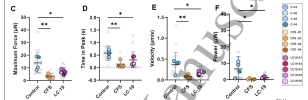
Figure 1 shows some abnormalities with a very good separation of controls and patients. This could be promising.

Structural analyses confirmed myotube hypertrophy and elevated mitochondrial oxygen consumption in ME/CFS. While muscles initially adapted by increasing glycolysis, prolonged exposure (96–144 hours) caused muscle fragility and fatigue, with mitochondria fragmenting into a toroidal conformation.
The idea that upon exposure to patient serum, cells can mount an initially successful compensation in response to some signal, which is later followed by dysfunction might explain some of the contradictory findings in ME/CFS research. It's good to see more research looking at things over time.

I'm curious if WASF3 would show up in some form. It's not mentioned in the text.
 
Last edited:
Peripheral fatigue, a decline in muscle’s ability to contract and generate force due to internal causative factors and independent of changes in the brain or spinal cord, is one of the many hallmarks of ME/CFS and LC-19. Patients report high fatiguability which is the tendency of their muscles to tire and lose strength quickly, exercise intolerance and an overall reduced exercise capacity confirmed by clinical studies (3, 4).

Recent advances in 3D bioengineered in vitro skeletal micro-physiological systems replicate patient-specific physiological responses and enable the evaluation of pathophysiological responses to circulating systemic factors, such as autoantibodies, circulating cytokines and metabolic or redox toxins present in patient sera. These systems offer a non-invasive testing platform to accurately model conditions without bringing any discomfort to the patient.

Our work aims to understand the pathomechanism of two idiopathic conditions: ME/CFS and LC-19 by using 3D skeletal muscle tissues developed from immortalized human muscle progenitor cells. These mature and well-differentiated tissues were then exposed to sera from ME/CFS, Long COVID-19 and healthy donors for short and long exposures. Exposing tissues to patient sera allowed us to deliver actual systemic insults to muscles in a controlled environment without confounding factors such as physical deconditioning.

There are quite a few questionable statements about peripheral things and hypotheses in the Introduction. But, I'm keen to get on to the good stuff. Great to hear that they had healthy controls, as well as ME/CFS and Long Covid cohorts.
 
@Snow Leopard

2.1. Tissues exhibit contractile weakness at short exposure to patient sera

Sorry about the watermark. Note that cohort size is small - 4 controls, 4 CFS, 5 Long Covid.
These experiments were after the in vitro muscle tissue was exposed to serum for 48 hours.
the differences do look impressive.

Screenshot 2025-08-01 at 9.39.24 pm.png


Consequently, at a higher frequency of 50 Hz, these tissues demonstrated significantly compromised force of contraction as indicated by a much shorter time to drop to 50 % relaxation (Figure 1L). A functional muscle is capable to sustain an increase in its force of contraction proportionally with the stimulus until a certain limit is reached, beyond which depletion of the energy reserves or changes in structural integrity induce impairment (24).

For LC-19 diseased tissues, this limit was reached at a lower stimulating frequency compared to the control and CFS samples. At 25 Hz, a majority of LC-19 tissues appeared to show peak performance following which they could no longer maintain their maximum force against the stimulus (Figure 1K).
 
Back
Top Bottom