News from Australia

Some good news:


Count ME: A Milestone for ME/CFS Recognition in Australia

In a groundbreaking development for the myalgic encephalomyelitis/chronic fatigue syndrome (ME/CFS) community, ME/CFS will be included in the upcoming Australian Burden of Disease Study (ABDS), set to be released by the Australian Institute of Health and Welfare (AIHW) in December 2026. This marks the first time since 2003 that ME/CFS will be recognised as a separate condition within the national health framework, a pivotal moment that promises to reshape the landscape of public health for over 250,000 Australians.

The ABDS is the nation’s definitive guide for assessing the impact of various diseases and health conditions on the Australian population. By utilising Disability-Adjusted Life Years (DALYs), the study provides a comprehensive measure of health loss, allowing for direct comparisons across a wide spectrum of health issues.

 
Some media attention on the long term risks of viral infection:

Why Kaylee McKeown made a ‘smart call’ to miss Glasgow

Five-time Olympic gold medallist Kaylee McKeown will be sorely missed when Australian swimmers take to the pool for the start of the Commonwealth Games in Glasgow on Friday.

But her decision to withdraw from the competition due to glandular fever is a smart move for her long-term health, experts say, and represents a shift in perception of the risks it can, in some cases, develop into a lifelong battle with chronic fatigue syndrome.

The seriousness of glandular fever, with its benign-sounding nicknames of “mono(nucleosis)” or the “kissing disease”, is too often underplayed given its potential without careful management to become chronic fatigue syndrome, an illness that at its worst can leave people unable to work, or even bedridden.

This is the view of University of Melbourne biochemist and medical researcher Chris Armstrong, who specialises in the chronic outcomes of infectious disease.

Archive link to the article
 
From Millions Missing Australia on X:

"For 6 years, Lily Schubert was bed bound, unable to walk, talk, read or even endure sunlight due to severe #MyalgicEncephalomyelitis.
Lily felt like she was “living in a corpse”
Listen to Abbie Chatfield's podcast It's A Lot to hear Lily's story #MECFS


—
Facebook post:

For six years, Lily Schubert was bed bound, unable to walk, talk, read, or even endure sunlight due to severe Myalgic Encephalomyelitis (ME or the condition previously known as Chronic Fatigue Syndrome*)

She spent from her late teens to mid twenties in this state, which she describes as feeling like she was “living in a corpse”, with no certain cure or treatment.

After years of trying, she found a treatment that worked. There was only a 5% chance that Lily would recover from and such a severe case of ME. it is almost miraculous that she was able to join me on the podcast for a two hour long conversation.

I cited during most of this episode, as did Lily’s gorgeous Mum who accompanied her in the record, and the rest of the podcast team.

I learnt of Lily when she was in the beginning of this recovery, and have been in awe of her since. Once she was able to talk and read and begin to interact with the world again, she started a TikTok account and documented her journey from being bed bound, to feeling the sun for the first time in six years, her first swim in six years and other pivotal moments in her medical progress.

I genuinely think everyone should listen to this episode. Lily’s story is not only important to raise awareness of ME, but for all other chronic illnesses that are often minimised or ignored.

This is one of the most impactful conversations I’ve had.

#me #mecfs #chronicfatiguesyndrome #chronicillness

* This condition is still often referred to as ME/CFS, though Lily and I talk on the episode about why she just uses the term ME)

Listen on Spotify:


Listen on Apple:
 
Alternative therapy 'wormhole' killed my cousin, says author Hannah McElhinney

Unsure if this article has been discussed on here (or if I'm sharing it correctly) but seems this person will be writing a book about scam therapies regarding "controversial diagnoses" after her cousin (who was dx "chronic fatigue syndrome", fibro and seemingly self dx(?) chronic lyme) died seeking treatment in Malaysia

Overwhelmingly sceptical of the book and the article itself, but it does remind me of a fiasco a few years ago where the Emerge nurse service referred me to a very well regarded clinic, but when I did some further research I found that they were quietly doing extremely controversial stuff. Some articles suggesting their "out there" practices were linked to some patient deaths, etc. I tried to ask questions about it on some of the Australian MECFS groups but was shut down pretty hard, any criticism or even questions were totally rejected. I am hoping eventually it gets picked up again. It is scary Emerge continues to recommend clinics like that.
 
From Millions Missing Australia on X:

"For 6 years, Lily Schubert was bed bound, unable to walk, talk, read or even endure sunlight due to severe #MyalgicEncephalomyelitis.
I thought this was pretty good. Lily is very articulate, she's able to express what being bed bound is like, she talks about the impact on her family. I think that interview will be effective with particular audiences in increasing understanding of ME/CFS.

She says that medical treatment helped her improve. She says that, as she was improving physically, it was important to have people around her to help her cope emotionally with the changes. As she improved, it seems like she had more scope to grieve what she had lost.

She says that her capacity is now something like 30% or 40% of a healthy person. Clearly, there are many things she still cannot do.

The actual medical treatments aren't discussed, and I think it's likely that is intentional. She talks about wanting to advocate for research. I had to search for her treatments and found some reddit posts. The treatments seem to be a grab bag of all sorts of things, LDN, Abilify, MCAS medications, POTS medications, various supplements.... No doubt just the passage of time had an impact.
 
Last edited:
Are you able to say what controversial treatments they were using?

Off the top of my head - ivermectin to treat COVID and a laundry list of other things, off label use of Malaria treatments, caffeine enemas, those very expensive mould tests (and of course the supplements to treat them). All sorts of "integrative cancer treatments" and the tests to go with them. These are just the ones I consider dangerous, they do all sorts of "harmless" but expensive treatments such as sound therapy for cancer, various light therapies etc.

One of the doctors got done for issuing hundreds of fraudulent vaccine exemptions to children, and one of their integrative cancer trials was staffed by a man who'd had his medical license revoked after the death of two of his patients, one of whom was a young child.

Funnily enough, they now offer the treatment that the woman in the article's cousin died seeking - hyperthermia.

I don't know. When typing it out it doesn't seem like much, but to me this should cumulatively have been enough to justify scrutiny; I was surprised that even the most level-headed patient communities were quite offended I even asked.

edited to add: I think I am softening things a bit because I got a lot of negative feedback/attacked when asking "has anyone noticed this stuff?" in one of the Australian MECFS Facebook groups. My honest personal opinion is that the clinic is predatory and dangerous, no question about it. And I feel deeply for my peers who have sunk tens of thousands of dollars into 'treatments' from this clinic.
 
Last edited:
We can make a thread in our Doctors and Clinics section if you want @rodentguy? You can just message me with the name of the clinic and I can make it if you prefer.

@Simone, fyi. Rodentguy, I'm not sure if you tried, but it would be worth writing to Emerge to alert them to the issues with the clinic their staff member is recommending. I think you are right to be concerned.
 
We can make a thread in our Doctors and Clinics section if you want @rodentguy? You can just message me with the name of the clinic and I can make it if you prefer.

@Simone, fyi. Rodentguy, I'm not sure if you tried, but it would be worth writing to Emerge to alert them to the issues with the clinic their staff member is recommending. I think you are right to be concerned.
Thanks for the tag. Yes, @rodentguy, please write to us. It’s good to have first hand accounts
 
ME/CFS Australia on Facebook

ME/CFS Australia is proud to announce our 2026 Scholarship/Grant recipients.

**Urooj Ishrat, National Centre for Neuroimmunology and Emerging Diseases (NCNED), Griffith University.
Supervisory Team: Professor Sonya Marshall-Gradisnik, Dr Natalie Eaton-Fitch, Dr Kiran Thapaliya

**Tara Sallows, LaTrobe University, Supervisor: Dr Sarah Annesley

**Wenjie Shan, University of Melbourne, Supervisor: Dr Chris Armstrong

Congratulations! We are very excited to support you in your endeavours and look forward to hearing more about your projects in coming weeks.


Closes 13 Sep 2026​
Opened 11 Aug 2026​
​

Public consultation to help inform a possible ‘commissioning’ approach for part of the SIL market​


Overview​

About this consultation​

This consultation asks for views on whether a commissioning approach could improve the quality and sustainability of Supported Independent Living (SIL) supports.

Your feedback will help government think about how the SIL market is working and whether changes may be needed in the future. This includes looking at participant outcomes, whether services are safe and reliable, whether providers can keep delivering services, and how any changes could work in practice.

The Government has not decided whether or not it will introduce SIL commissioning

Your input to this consultation will inform possible next steps of SIL commissioning and future government decisions.


Who we want to hear from​

The department wants to hear from:

  • people with disability
  • families
  • carers
  • providers
  • workers
  • advocates
  • peak bodies
  • researchers
  • state and territory governments.
The department also welcomes views from people and organisations who are not currently using or providing SIL.

The consultation is not limited to current SIL arrangements. We are interested in views about participant cohorts with similar support needs across different housing and living arrangements.

What is SIL?​

SIL is a type of NDIS support for people who need help with everyday tasks at home. This can include personal care, meals, daily routines, housework, and building independence. SIL supports are used by participants who need a lot of daily support. Any changes to SIL could affect participants, families, carers, providers, workers, advocates, and governments.

What is commissioning?​

Commissioning means government takes a more active role in making sure services are available, safe, good quality, and meet people’s needs. It does not mean government would deliver the services itself.

Commissioning could include government taking a stronger role in how services are planned, funded, delivered, and checked. This may include:

  • setting clear goals for services
    • for example, better safety, quality of life, choice, independence, or service continuity
  • deciding what providers need to do before they can deliver services
    • for example, meeting extra quality, skills, or workforce requirements
  • making sure services are available where they are needed most
    • for example, for particular groups of participants, communities, or service types
  • using funding and contracts to support better results
    • for example, linking funding to quality, availability, or participant outcomes
  • checking how services are performing
    • for example, looking at participant outcomes, service quality, and provider performance
  • taking action when the market is not working well
    • for example, responding to service gaps, quality problems, or risks to provider sustainability.

Why your views matter​

We have heard that there may be opportunities to improve SIL supports. This consultation will help us understand what good SIL supports look like and whether commissioning could help improve outcomes for participants. We want to hear what matters most to you. This is your opportunity to help shape the future of SIL supports.

Next steps​

The department will use the feedback from this consultation to provide advice to government on possible future approaches to SIL commissioning.

The department will continue to engage with key people and organisations in the coming months. The department aims to provide advice and options to government in late 2026.

Consultation Resources​

How to participate​

You can:

  • Upload a written submission
  • Upload a video (including Auslan)
  • Send a submission by email
  • Request a phone call
  • Complete the survey below
 
1300-word article.


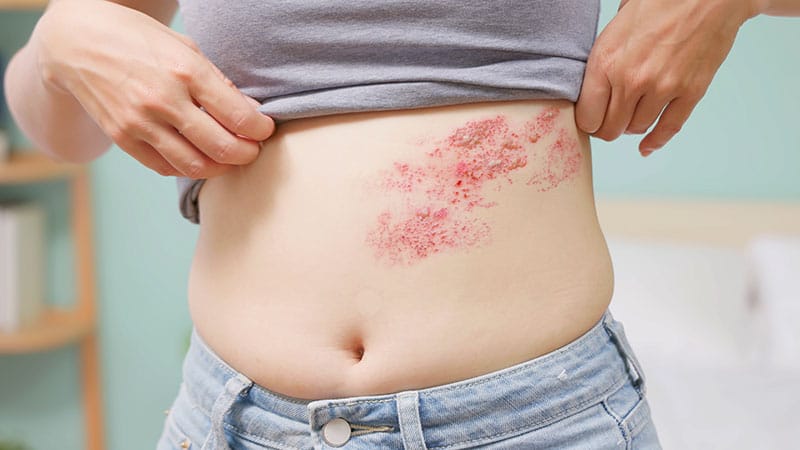
Shingles in Young Australians Prompts Vaccination Discussion​

Sophie Cousins
August 25, 2026


Article Key Points
  • Shingles notifications in Australians aged 25-49 ↑: 299 (2006) → 5249 (2020).
  • True burden likely undercounted; notifiable status inconsistent + many cases unreported.
  • Possible drivers: stress, ↑ immunosuppression, ↑ diabetes, improved recognition/reporting.
  • Shingrix NIP coverage expanded; 1/3 eligible adults got ≥1 dose in year 1.
  • Free Shingrix eligibility remains debated: cost, durability, booster need, age-risk timing.

 
Emerge Australia’s Facebook

Thank you Lily and Anne for your continued advocacy on behalf of Australians living with ME/CFS - wonderful to see the Women's Weekly covering this important story.
Mark Butler MP Dr Mike Freelander MP Rebecca White Dr. Gordon Reid MP
 
Emerge Australia’s Facebook

1,150 voices so far. One community. One important goal.

One month left to take part in the Living with ME/CFS or long COVID in Australia: A National Burden of Disease Study* - and we’re celebrating an incredible milestone: 1,150 people have already completed the survey!

A huge thank you to everyone who has taken part and contributed to building a stronger understanding of ME/CFS and long COVID in Australia.

Every response helps build a clearer picture of what it means to live with ME/CFS or long COVID - the impact on health, daily life, work, relationships, access to care and support.

But we’re not finished yet.

We would love to reach 1,500 completed surveys by the end of September!

Why does this matter?

Because stronger numbers represent stronger evidence. These findings will help drive better recognition, healthcare, support services and future research, ensuring that people living with ME/CFS and long COVID are better represented in the data that informs decisions.
If you have completed the survey - thank you.

If you haven’t yet, or know someone who may be eligible, please consider taking part or sharing this message.

Every voice matters. Every story strengthens our community.

Take the survey at your own pace: https://zurl.co/Dj0AH

*This study has been approved by the ECU HREC #2026-07346-LATELLA

#CountME #MECFS #LongCOVID #PatientVoices #InvisibleIllness #AusME #EmergeAustralia #ECU
 
Back
Top Bottom