To: Federal Minister for Health and Social Affairs Korinna Schumann
ME/CFS: EMERGENCY RELIEF PACKAGE FOR SEVERELY ILL PEOPLE NOW!
Initiated by MUT - ME: UNTERSTÜTZUNG UND TEILHABE
ME(/CFS) is a serious illness that affects the entire body and can therefore severely impair or even destroy the lives of those affected.
Yet instead of providing support, the institutions of the healthcare and social welfare systems are failing across the board—and are further exacerbating the already immense suffering of those affected.
We therefore demand rapid measures that provide quick and direct assistance, in particular:
Hardship Fund for People Affected by ME(/CFS)
Many people affected reach the limits of their financial means after several years of incapacity to work—particularly because government institutions systematically deny them assistance.
Quite a few are acutely threatened by poverty or have already fallen below the poverty line. The government must therefore provide short-term relief through a hardship fund.
In the long term, the social welfare system must fully recognize the illness.
In addition, support services for social-work and legal assistance are needed to help people apply for and enforce their social welfare entitlements.
Reform of the Assessment System
Assessors working for the Pension Insurance Institution (PVA), the Social Ministry Service (SMS), and other bodies must receive mandatory training on ME(/CFS).
Training and assessments must reflect current scientific knowledge and must not treat people affected as being under general suspicion.
Post-exertional malaise (PEM)—the worsening of symptoms following exertion—must be recognized as a defining feature of ME(/CFS) and must be taken into account as a binding criterion when determining the degree of disability and the need for care.
Recognition of a Minimum Care Level and Degree of Disability
Depending on the severity of the illness, an appropriate minimum level of care should be introduced for people diagnosed with ME(/CFS).
A higher classification must remain possible where the actual need for care exceeds this level.
This would ensure that people affected by ME(/CFS) can quickly access the benefits to which they are entitled.
It would also reduce the risk of further deterioration caused by demanding assessment appointments.
With regard to recognizing an appropriate degree of disability, ME(/CFS), or rather PEM, must be included in the Assessment Regulation (Einschätzungsverordnung), which serves as the basis for determining disability.
Investigation and Compensation Payments
For years, people with ME(/CFS) have been denied recognition of their illness.
In addition, many affected people have suffered lasting health damage as a result of prescribed activation and rehabilitation measures.
We therefore demand an independent commission to investigate and document misconduct by the authorities and ministries concerned.
We also demand a compensation fund for people who have suffered health damage and losses in income or social welfare benefits— in some cases for decades—as a result of incorrect decisions by public authorities.
Why is this important?
“Like being buried alive” or “every cell in my body isn’t functioning properly”—this is how people with severe ME(/CFS) repeatedly describe their suffering.
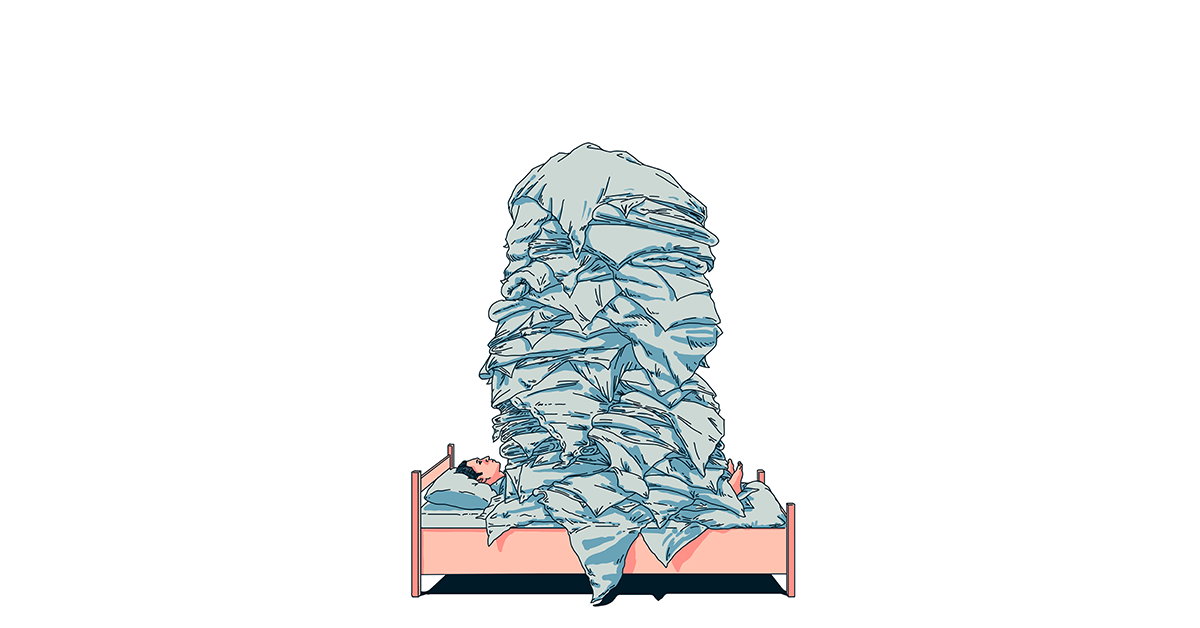
In Austria, more than 70,000 people suffer from this chronic illness in varying degrees of severity—around 20 percent of them so severely that they can do nothing more than lie in a darkened room.
Severe pain, loss of strength, and helplessness cause immense despair among those affected.
ME(/CFS) is a physical multisystem disease that affects the entire body and its functioning through a wide range of symptoms.
It is one of the so-called PAIS (post-acute infection syndromes), which can occur following viral infectious diseases such as COVID-19, but in some cases also following traumatic events or vaccinations.
The social welfare and healthcare systems are currently failing across the board when it comes to helping those affected: only a few doctors have sufficient expertise in ME(/CFS); in many areas, the illness is not recognized; and financially, the situation is precarious.
Assisted dying is approved, but care is not. Government assistance is often denied.
Assessors working for the PVA, which is actually responsible for awarding the care allowance, systematically treat people affected by ME(/CFS) as being under general suspicion, as shown by media research published in the spring.
Politicians—and above all the Federal Minister for Health and Social Affairs—must act NOW!
The emergency relief package demanded here is a first step toward doing so. In the long term, comprehensive structural measures to ensure social security, sustained investment in research, and full medical care are indispensable.


www.rts.ch




.jpg)