The Sick Times: A journalist-founded website chronicling the Long Covid crisis

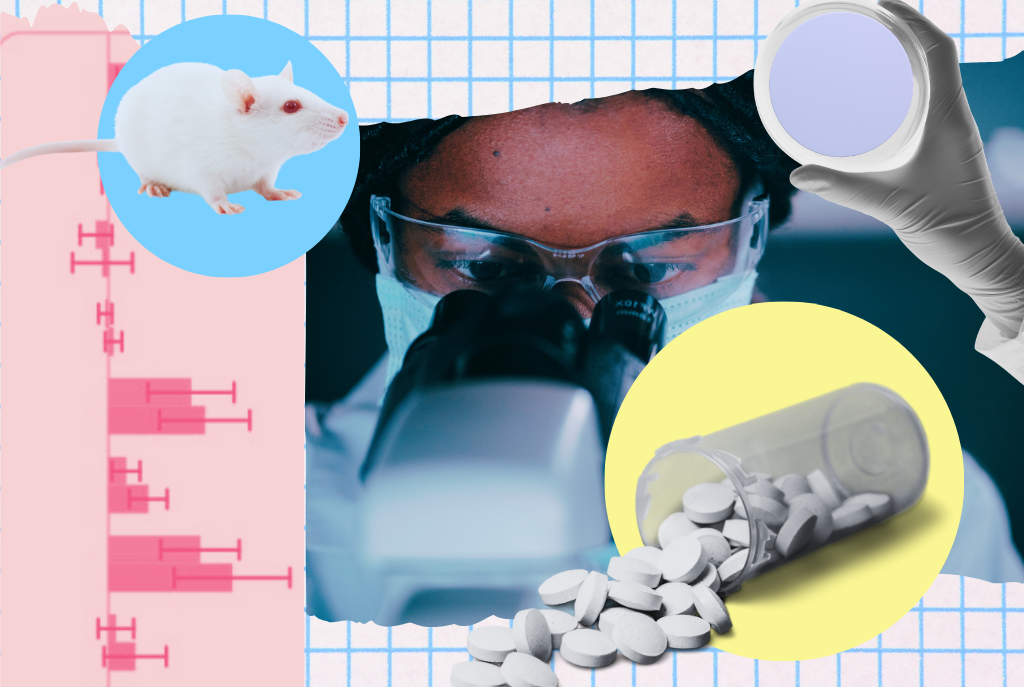
How to interpret clinical trial results for Long COVID​

Written by Simon Spichak
July 21, 2026

Even when results are “statistically significant,” the treatment might not actually work.


Key points you should know:
  • There are currently no approved treatments for Long COVID. Experts say that the diversity of symptoms and severity makes it more difficult to run clinical trials.
  • Trials of new drugs and devices are stratified by phases. Only phase 3 trials are designed to prove that a treatment is effective.
  • When reading a study, experts say it’s important to note whether the primary outcome, which determines whether a trial succeeds, is both statistically significant and clinically meaningful. A statistically significant outcome does not necessarily mean an intervention will meaningfully improve one’s daily life.
  • To understand whether an off-label medication may benefit you, experts say it’s important to understand whether the studied population has similar symptoms and clinical presentation to you, and to work with a medical provider to ensure a treatment is trialed safely.
Simon Spichak also wrote a resource for evaluating clinical trial results that accompanies this story.
The Science for ME forum gets a mention in this article.
 

Congress’s 2027 budget could include new funding for Long COVID and ME​

Written by Betsy Ladyzhets
August 18, 2026

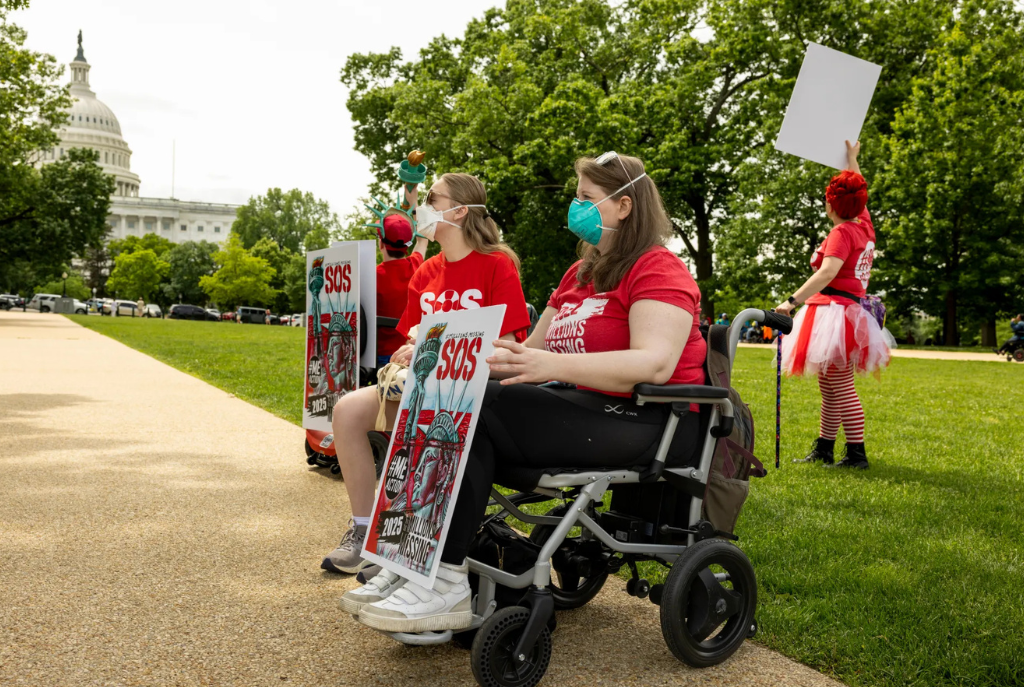
Advocates are calling on senators and representatives to include the ME/CFS Research Roadmap and new Long COVID funding in the fiscal year 2027 budget as legislators debate appropriations bills in the coming weeks.


Key points you should know:
  • Congress is legally required to pass a federal budget every year. The budget process, called appropriations, can be an opportunity to secure new research funding more quickly than specific, standalone bills.
  • Advocates are pushing for the fiscal year 2027 budget to include $50 million for the ME/CFS Research Roadmap, a detailed plan to advance ME research from the National Institutes of Health (NIH).
  • Some 2027 budget proposals include opportunities for new Long COVID and infection-associated chronic condition (IACC) funding across the NIH, other health agencies, and the Department of Defense.
  • Advocates are focusing on contacting senators, as Senate offices are still drafting appropriations bills in the next few weeks while the House versions of these bills are already written.

Edit: This might be a year old confusingly though its linked in that article I’m confused and am too ill to dig further.

Here’s the MEAction open letter anyone (including organisations) can sign
 

Help The Sick Times’ newsletter reach more readers​


Then, you’ll get a customized newsletter sign-up link you can share with friends, family members, neighbors, your medical providers, and so on.​
You can send it to them directly in an email or text, post it on social media, or share it in any other way you prefer.​
If you’re successful in helping friends and community members sign up for our newsletter, we will say thank you by sending you rewards. Here’s what we have planned so far:​
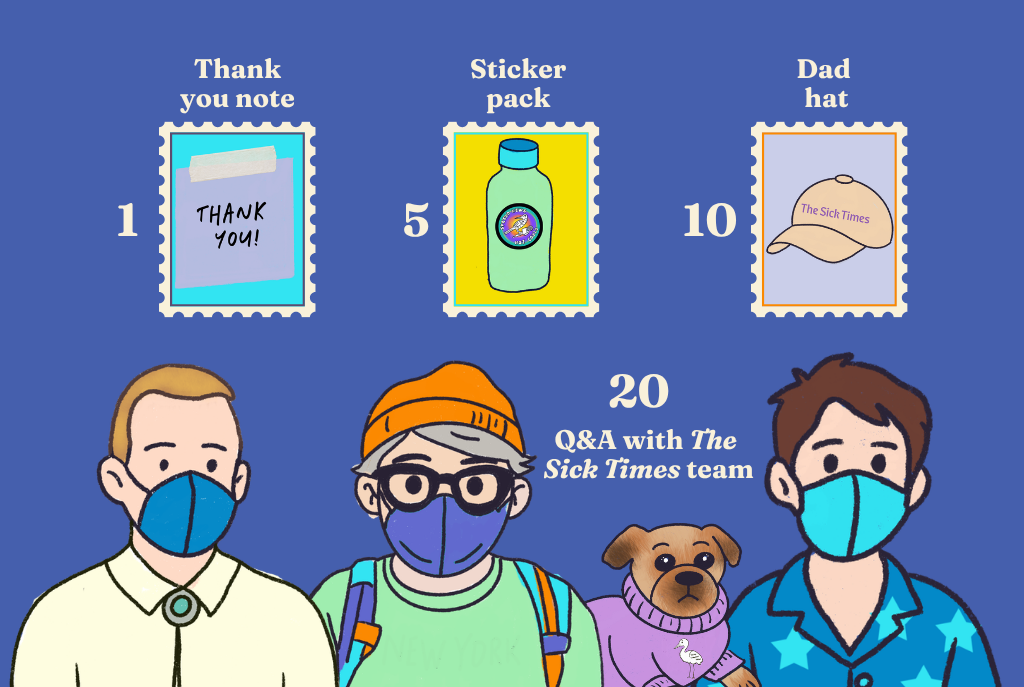
  • With one successful referral, you’ll receive a thank-you note from our team.
  • With five referrals, we will mail you a pack of Sick Times stickers*, designed by artists in the Long COVID community.
  • With ten referrals, we will mail you a Sick Times hat!*
  • With twenty referrals, you’ll be invited to a one-on-one Q&A call with one of our editors, Miles and Betsy.
*While supplies last.
With this referral campaign, we are aiming to gain 1,000 new newsletter subscribers over the next ten days.​
If it’s successful, we will keep the referral program going over the coming months.​
Help champion our journalism by sharing The Sick Times!

 
Back
Top Bottom