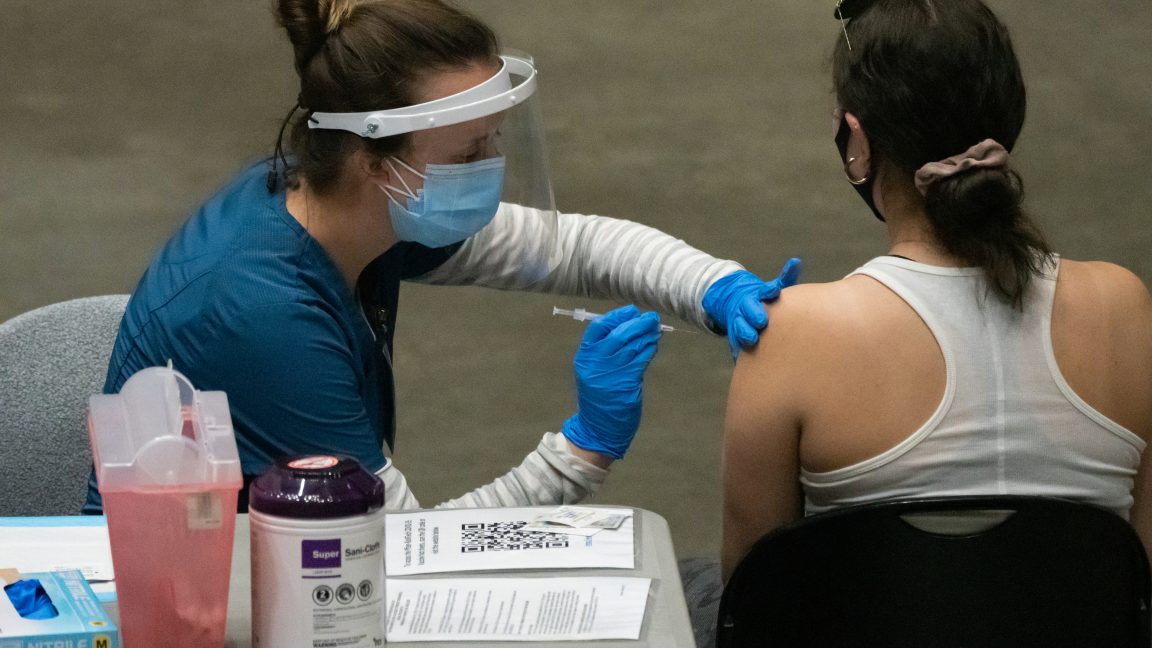
They are available in the UK through some of the larger pharmacies (eg some city branches of Boots) and some private health facilities.

I had thought it was cheaper, but just checking online Boots charges just under £100 and I imagine they will be fairly typical.
I think the pharmacies at Tescos are doing them
 
Updated Covid-19 vaccine formula produces antibodies nearly three time longer than earlier versions, Emory study find

“SARS-CoV-2 has a continual transmission cycle and emergence of variants that can constantly jeopardize the effectiveness of vaccines,” says Suthar, also a professor at the Emory Vaccine Center. “However, what the data and evidence continually show is that receiving the updated COVID-19 vaccine boosts these cross-creative antibodies, which helps protect those with pre-existing conditions, the elderly and the immunocompromised,” he adds.

Coronavirus significantly affects mitochondrial function, or energy production, impacting the heart, kidneys, liver, and lymph nodes. This puts the elderly and those with cancer, blood and autoimmune disorders, stroke, obesity and pre-existing conditions of the heart, kidney, lung and liver at an increased risk of severe disease.

Suthar also emphasized that COVID-19 vaccines are safe, and even those with healthy immune responses benefit from protection against hospitalization, mortality, and long COVID-19.
 
Moderna's combo flu-COVID vaccine receives European authorization

The world’s first combination seasonal influenza and COVID-19 vaccine, Moderna’s mCombriax, has received marketing authorization from the European Commission, following a positive review from the European Medicines Agency’s Committee for Medicinal Products for Human Use.

“By combining protection against two significant respiratory viruses in a single dose, our vaccine aims to simplify immunization for adults, particularly those at high risk,” said Moderna CEO Stephane Bancel, MBA, in a press release. “mCOMBRIAX offers an important new option for Europeans, while also aiming to strengthen the resilience of healthcare systems across Europe."

Shots performed well in older adults

According to the company, mCombriax was based on the clinical development of mNexspike, Moderna's COVID-19 vaccine, and mRNA-1010, Moderna’s investigational seasonal influenza vaccine, which has been accepted for review in the European Union (EU), United States, Canada, and Australia.

The vaccine performed well in a phase 3 trial, where a single dose elicited statistically significant higher immune responses against three influenza virus strains (A/H1N1, A/H3N2, and B/Victoria) and against SARS-CoV-2 in adults 50 to 64 years and 65 years and older.

The marketing authorization is valid in all 27 EU member states, as well as Iceland, Liechtenstein, and Norway. No major safety concerns or adverse events were seen in the phase 3 trial.

 
The Effects of Past COVID-19 Vaccination on Antibody Levels, Cellular Immunity, and Cytokine Production by Peripheral Blood Mononuclear Cells

Abstract​

Background/Objective: This study is a cross-sectional investigation of long-term immune responses measured at different time intervals after COVID-19 infections, vaccinations, or combined exposure. The focus is on immune reactivity against recombinant spike (S) and nucleocapsid (N) protein antigens.

Materials and Methods: Serum antibody levels were assessed up to four to four and a half years after infection or immunization, including virus-specific immunoglobulin G (IgG), IgA and IgM antibodies, as well as neutralizing antibodies against the S-protein. Cellular immunity was assessed by analyzing peripheral blood mononuclear cells (PBMC; n = 43 in first cohort, n = 32 in second cohort), including T-helper memory and cytotoxic subsets, and cytokine production after in vitro stimulation with recombinant SARS-CoV-2 proteins. A multiplex cytokine assay was used to analyze effector and regulatory immune responses.

Results: Virus-specific IgG antibodies persisted for years after exposure to SARS-CoV-2, with IgG against the receptor-binding domain (RBD) correlating most strongly with neutralizing activity. Vaccinated individuals demonstrated higher IgA responses, whereas antibodies to the N-protein were associated with previous infection. No IgM antibodies were detected in any subjects, suggesting an immune response based on memory rather than ongoing infection. PBMCs from individuals with a history of both COVID-19 exposure and vaccination exhibited enhanced responsiveness, characterized by increased frequencies of memory T cells compared to vaccination alone. Stimulating with the S-protein induces higher cytokine production, including IFN-gamma, TNF-alfa, and IL-12(p70), compared with stimulation by the N-protein. Cytokines such as IL-10 and TGF-beta are also elevated, suggesting immune regulation rather than persistent inflammation.

Conclusions: SARS-CoV-2 infection and vaccination are associated with persistent humoral and cellular immune responses detectable several years after exposure. Individuals with hybrid immunity exhibit broader and functionally enhanced immune reactivity, indicating more robust long-term immune memory. Future studies should focus on the long-term consequences of hybrid immunity and optimize other vaccine strategies, including recombinant antigen vaccines.

 
Article from CIDRAP (University of Minnesota):

"COVID vaccination may protect household members"
Many studies show that COVID-19 vaccination reduces the risk of severe disease, hospitalization, and death. There is less evidence about whether COVID-19 shots make people less contagious.

New research, however, has found that COVID-19 patients who were vaccinated against the virus were much less likely to infect household members than unvaccinated patients, according to a study published today in JAMA Network Open.

Researchers studied 362 patients who saw a healthcare professional outside the hospital because of COVID-19 symptoms and who also tested positive for the SARS-CoV-2 virus. The study authors also followed up with about 760 of patients’ household contacts.

Overall, 62% of household contacts of patients with the virus soon tested positive for COVID-19.

But the household contacts of patients vaccinated in the past six months were 43% less likely to test positive than household contacts of unvaccinated sick people, the study shows.

Although the vaccinated patients in the study still developed COVID-19, it’s likely that the vaccine helped them by reducing the amount of virus in their bodies, said Amesh Adalja, MD, a senior scholar at the Johns Hopkins Center for Health Security, who was not involved with the new study. People with lower viral levels cough shed fewer viruses when they cough or sneeze, making them less likely to infect those around them.
 
Where did you get it from and did you have to pay for it?

Pharmacy down the road, and no—the NHS still offers them twice a year to people on some medications. I get a text saying it's due and a link to make an appointment.

I don't know how much longer they'll keep going with it, but thought I might as well take them up while they are.
 
I’m hoping they might change to the Flu/Covid one that’s being developed which would bring back wider access to Covid

Yes, I think that might happen eventually. Though it's only given once a year, whereas Covid is currently give twice.

Then again, who knows if the Covid jab has much effect anyway! Large scale monitoring of populations that do / don't receive vaccinations don't seem to be happening much now.
 
I think this is the right forum for this news. A new study adds more data showing that COVID vaccines reduce risk of major adverse cardiovascular events.

"Heart protection from COVID shots remains amid updates, study finds"

"Covid vaccination cut risk of adverse heart events, large study finds" (paywall)
 
While stopping severe Covid-19 must surely be part of the story in reducing adverse heart events, I suspect there is an awful lot of confounding going on.

People who get the vaccination are probably more likely to be educated and financially and physically able to eat healthily, less likely to smoke, less likely to have suffered rheumatic fever as a child, more likely to get the flu vaccine too.... Perhaps the study corrected for some confounders, but I doubt they could correct for them all.
 

Your menstrual cycle may affect how well vaccines work​

Women who were vaccinated against covid-19 in the luteal phase of their menstrual cycle reported having a breakthrough infection sooner than those vaccinated during their follicular phase


Menstrual cycle phase and its association with COVID-19 vaccine outcomes among period tracking app users, 2026, Cooper et al

Cooper, Poppy Alexandra; Boniface, Emily R.; Darney, Blair G.; Edelman, Alison; Sear, Rebecca; Shea, Amanda A.; Walters, Sarah; Weber, Kirsten; Vitzthum, Virginia J.; Alvergne, Alexandra

Abstract
Abstract Despite known hormonal influences on immune function, the impact of menstrual cycle phase on vaccine outcomes remains unexplored.
Using prospectively tracked cycle data from the Clue period tracking-app, matched with an in-app survey of 1474 women, we compared self-reported COVID-19 vaccine outcomes between follicular-phase (estrogen-dominant) and luteal-phase (progesterone-dominant) vaccinated women.
Side effect presence, severity and number were analysed using binary, ordinal, and negative binomial regression respectively, and post-vaccination time to infection (67–372 days) via Wilcoxon rank-sum test.
Follicular-phase vaccination was associated with 35% higher odds of any self-reported side effects (OR: 1.35, 98.3% CI: 1.01–1.79) compared to luteal-phase vaccination.
Median time to infection was 35 days longer following follicular-phase vaccination (200 [140–237] vs 165 [107–210] days, p = 0.05), though infection numbers were limited.
These findings suggest menstrual cycle phase warrants consideration in sex-based immunity research and may inform future research on vaccination and personalised health strategies.

Web | DOI | npj Women's Health
 
It's an interesting thought. It raises the question of whether the menstrual phase when dealing with an infection with the potential to cause ME/CFS might affect the chance of developing ME/CFS. It seems quite possible. Menstrual phase at the time of acute infection would be a good thing to record in any prospective study following people from the time they are infected with, for example, EBV or SARS-CoV-2 or Ebola.
 
Quantifying the societal benefits of adult immunization against respiratory diseases in France: a benefit cost analysis, 2026, Napier et al.

Napier, Matthew; Brassel, Simon; Tunnicliffe, Ellie; Theakston, Claud; Fievez, Stéphane; Fahfouhi, Yasmine; Boukhlal, Ayoub; Botelho-Nevers, Elisabeth; Guerin, Olivier; Vietri, Jeffrey; Mendes, Diana; Yang, Jingyan; Hu, Tianyan; Steuten, Lotte

ABSTRACT​

Background​

Pneumococcal disease, respiratory syncytial virus (RSV), influenza, and COVID-19 place a significant burden on France’s population health, health system, and economy.
Older adults and adults in clinical risk groups are recommended to receive vaccination against these illnesses, although RSV is not reimbursed.

Research design and methods​

A benefit–cost analysis was conducted to assess the societal return on investment from adult vaccination by estimating benefit–cost ratios (BCRs) and net benefits (NBs).
Health outcomes were monetized using established methods.
Program costs included all direct vaccination-related expenditures.
Scenario and sensitivity analyses assessed alternative program specifications and tested the robustness of the model.

Results​

France’s age-based respiratory immunization programs generate a BCR of €2.0 to €8.7 per €1 spent over the lifetime, depending on mortality risk reduction monetization.
This corresponds to NBs of €9.7 to €72.6 billion.
Introducing adult RSV vaccination with a similar uptake to that in the US could increase NBs by approximately 6%–7% compared to the status quo.
Achieving aspirational coverage targets across all programs would increase NBs by 138%–175%.

Conclusions​

France’s adult respiratory vaccination programs generate positive socioeconomic returns.
Including adult RSV vaccination and increasing vaccination uptake would further increase their societal benefits.
Realizing these gains requires adequate public investment.

Web | DOI | PDF | Expert Review of Vaccines | Open Access
 
Trying to examine the effect of exercise immediately after vaccination:

A targeted metabolic intervention via exercise applied after vaccination shapes kinetics and durability of serum antibody accompanied by a distinct immunometabolic signature: pilot study, 2026, Kothadiya et al.

Kothadiya, Siddhant; Holden, Kaitlyn G.; Cutshaw, Gabriel P.; Jones, Tyanez C.; de Almeida, Catarina Bittencourt; Sirotiak, Zoe; Meyer, Jacob D.; Bardhan, Rizia; Kohut, Marian L.

Abstract​

Vaccination under deliberately varied metabolic conditions provides a framework to identify metabolic determinants of immune response to vaccine and to identify metabolic pathways that may serve as immunomodulators or future adjuvant targets.
Suboptimal vaccine immunogenicity and waning antibody durability remain significant public health challenges requiring effective interventions.
To examine the association between vaccine immunogenicity and altered metabolic microenvironments, we applied a short-term metabolic intervention coinciding with SARS-CoV-2 immunization.
In this randomized trial, half of the participants completed a metabolically targeted 90-min exercise bout immediately post-immunization, a stimulus known to induce sustained shifts in systemic metabolic changes for up to 24 h.
Participants in the control group did not exercise after vaccination. Serum anti-RBD IgG antibody and a putative biomarker of germinal center activity (CXCL13) were assessed as measures of immunogenicity in longitudinally collected samples, and metabolic profile was analyzed by Raman spectroscopy.
Associations between age, BMI, psychosocial stress and immune response and metabolic profiles were determined.
The exercise-metabolic treatment enhanced antibody durability and shifted the kinetics of CXCL13 and serum antibody response in participants without pre-existing immunity. Specific immuno-metabolic signatures distinguished exercise-metabolic treatment from control, identified participants with pre-existing immunity, and revealed effects of age.
This study demonstrates the feasibility of a readily accessible short-term metabolic intervention applied at vaccination in shaping in vivo adaptive immunity and provides critical insights into metabolic predictors of immunogenicity.
These findings can be used to interrogate further host factor-related metabolic predictors of vaccine response (i.e., age, BMI, stress) and develop innovative vaccine platforms that influence the metabolic microenvironment.

Web | DOI | PMC | PDF | Brain, Behavior, & Immunity - Health | Open Access
 
Back
Top Bottom