Blog Summary .... audio of summary also available at link

full blog:

when the body's alarm wont turn OFF

The finding is when alarmed ... not ... why alarmed

I agree with people who say the immune system is both under-active and over-active. This was indicated in Dr Komaroff's study, detailing the immune findings in ME and CFS, and Long Covid

Dr Komaroff also indicated, supposed or surmised something to do with the danger response of an entity (organism) informed by cellular response to danger, or vice versa it got a bit complex and I'm a bit vague on this. But I'm sure research didn't finish interpreting this edgy immunity, which:

- reacted more strongly to microbial “danger signals” than in healthy controls, even before exercise

- after activity, some responses looked blunted, suggesting a system that is both over-reactive and easily exhausted.

I went to looksee how these microbial danger signals could be induced. It was by:

- testing how immune cells responded when exposed to simulated microbial threats, such as bacterial toxins, viral RNA mimics, and fragments of yeast cells

I am trying to imagine a culture watching some isolated immune cells react to some pathogenic materials. OK, so the healthy control's immune cells reacted within some norm.

The results, taken together, suggest

an immune system that’s hypersensitive to danger signals,

a metabolism struggling to generate clean energy, and

a gut-tissue barrier that may be letting inflammatory sparks fly.

Crucially, many of these abnormalities worsened after exercise and tracked with symptom severity.

Yes, well, it mostly fits, but I want to disagree with the assumption or presumption of hypersensitivity. The finding is when ... not ... why ... alarmed.

If a body became more susceptible to pathogens then the extra reaction is in proportion and not hypersensitive at all, nor sensitised, and maybe better not to dampen it down instead of shoring up susceptibility. If already infested, immunity was worn down, wobbly, for a long time

Also informing my suspicion is the fact that I no longer believe my body is at fault. Possibly my body is very rational and proportionate, after all that. Or I am up the creek with no paddle here

Then I have a question about the metabolism which I think is not only "energy use"...
 
No group difference were found for the bacterial and viral exposure, some differences were seen after HKCA (fungal) while the biggest differences were found for the superantigen SEB.
Can anyone explain in plain English what this might mean if the results were replicated? Why might the cytokine response to antigens which mimic fungal infection or superantigens be higher in people with ME/CFS?
 
Last edited:
Can anyone explain in plain English what this might mean if the results were replicated? Why might the cytokine response to antigens which mimic fungal infection or superantigents be higher in people with ME/CFS?
Mitochondrial DNA function in inmate immune response ?

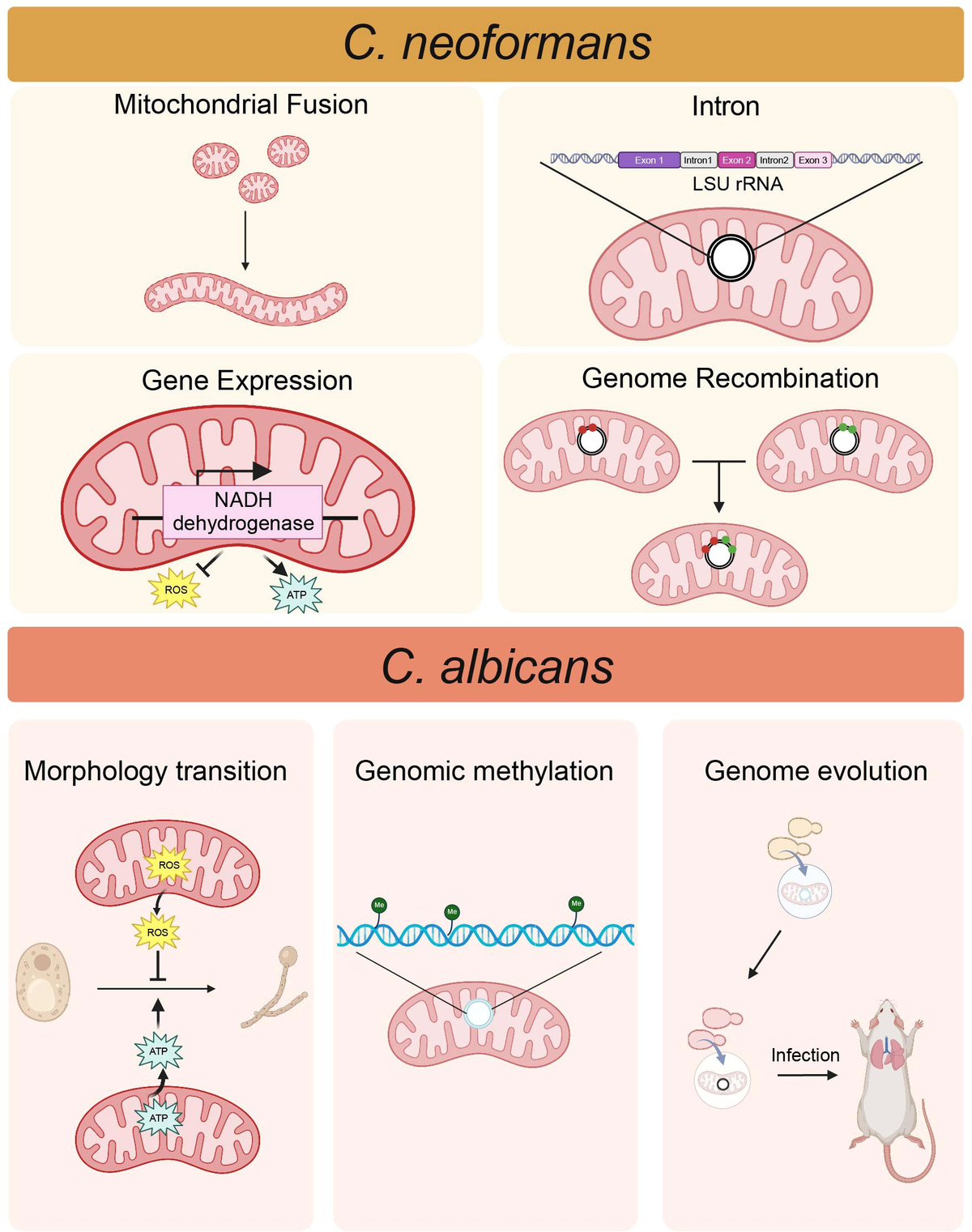
ETA info re mitochondrial role in fungal infection
 
Last edited:
Can anyone explain in plain English what this might mean if the results were replicated? Why might the cytokine response to antigens which mimic fungal infection or superantigents be higher in people with ME/CFS?

In recent years a lot of information has come out about innate receptors on mononuclear white cells for 'danger' ligands. Subsets of cells like MAIT and gamma-delta T cells may respond as much to these general signals as to specific antigens. It is hard to know why fungi should be specifically recognised in ME/CFS but it is conceivable that there is an overactivated cell subset that have the right receptors. @jnmaciuch is likely to be more up on this.
 
Can anyone explain in plain English what this might mean if the results were replicated? Why might the cytokine response to antigens which mimic fungal infection or superantigens be higher in people with ME/CFS?
There are a lot of different sensor proteins on innate and innate-like immune cells, which each have specificity to structures from bacteria, viruses, fungi, etc. But ultimately those different sensors all trigger cascades that end up at similar places: activating a handful of transcription factors that enable cytokine production. The main differences come down to how strongly particular sensors activate different players from this common set.

Similar heightened responses from different stimuli indicates that something has been "enhanced" closer to the end of the intracellular rube goldberg machine, where a lot of those cascades converge into the same paths. This kind of priming can occur from lots of different things, like pre-exposure to other cytokines or hormones or pH changes.

But as for what part is being primed in these cells, what's doing the priming, and why it seems to be strongest at baseline in ME/CFS--the data doesn't give much of any jumping off point to even guess.
 
Last edited:
Can anyone explain in plain English what this might mean if the results were replicated? Why might the cytokine response to antigens which mimic fungal infection or superantigens be higher in people with ME/CFS?

This remains a great question though @Robert 1973, specifically superantigen SEB (Staphylococcal Enterotoxin B) showing the biggest difference, in light of the moderate success of the Staphylococcus Aureus ‘Staphypan’ vaccine that Gottfries used on his patients to help them return to work. It required a monthly maintenance injection.

Superantigen SEB powerfully activates T cells, but then disrupts T cell receptor signalling, receptor internalisation, and functional anergy. Sounds very much like what recent research is finding. So if Staphypan used to help, what could be going on here?
 
Superantigen SEB powerfully activates T cells, but then disrupts T cell receptor signalling, receptor internalisation, and functional anergy. Sounds very much like what recent research is finding. So if Staphypan used to help, what could be going on here?
The data isn't really consistent with a T cell story, though. SEB is supposed to crosslink MHCII and the TCR to stimulate cytokine production by T cells, but the strongest cytokine induction was much more attributable to myeloids rather than T cells (IL-1B, CXCL5). Plus no difference in the ones you'd expect from T-cell activation--IL-2 and IFN-g (which is only significant in one comparison when they put the adj. p threshold at 0.1). And there's so much overlap in the data it is probably only a small subset with strong responses.
 
Last edited:
Apologies if this is a dumb question but could they have been primed by a fungal infection?
Theoretically possible but unlikely to explain results like this. Chronic exposure to a particular pathogen can often have the opposite effect—blunted responses instead of enhanced (and potentially variable between different immune subsets). It would have to be chronic exposure because the populations likely generating the strongest signatures tend to not be long lived. And chronic fungal infection would likely present with other signs that we don’t see in ME/CFS
 
Back
Top Bottom