Microvascular Dysfunction and Redox Imbalance in Long COVID, 2026, Lewandowska et al.

Chandelier

Senior Member (Voting Rights)
Microvascular Dysfunction and Redox Imbalance in Long COVID

Lewandowska, Adela; Sawicka, Dominika; Jóźwiak, Aleksandra; Jędrzejewska, Agata; Braczko, Alicja; Romanowska‐Kocejko, Marzena; Żarczyńska‐Buchowiecka, Marta; Kutryb‐Zając, Barbara; Hellmann, Marcin; Mierzejewska, Paulina

ABSTRACT​

Objective​

Endothelial and microvascular dysfunction are key features of Long COVID.
Disturbances in cellular redox balance, reflected by altered nicotinamide adenine dinucleotide (NAD+/NADH) dynamics, may underlie vascular impairment.
Flow-Mediated Skin Fluorescence (FMSF) evaluates microvascular function by monitoring NADH fluorescence during ischemia and reperfusion.
We integrated FMSF-derived microvascular phenotyping with targeted NAD+ metabolite profiling to determine whether altered NAD+metabolism is associated with impaired microvascular responses in Long COVID.

Methods​

Microvascular function was assessed in 36 patients with Long COVID and 47 age-matched controls using FMSF.
NADH fluorescence changes during ischemia and hyperemia were analyzed as markers of endothelial responsiveness. NAD+ and related metabolites were measured using high-performance liquid chromatography and mass spectrometry.

Results​

Patients with Long COVID showed impaired FMSF parameters, including blunted ischemic responses and delayed recovery after hyperemia, indicating microvascular dysfunction.
These changes were accompanied by a reduced NAD+/NADH ratio and lower NADP levels, consistent with redox imbalance.
Abnormal fluorescence profiles were associated with altered NAD+metabolism, including reduced precursor availability and accumulation of degradation products. Higher NR concentrations showed associations with selected microvascular and eNOS-related parameters.

Conclusions​

FMSF provides a clinically applicable tool for detecting microvascular dysfunction in Long COVID. NAD+ redox imbalance is linked to impaired microcirculatory responses, supporting FMSF as a functional marker of microvascular impairment associated with altered NAD+ metabolism.

Web | DOI | PDF | Microcirculation | Paywall
 
An interesting convergence has appeared in Wiley - Microcirculation.

Our hypothesis paper, published one issue earlier (e70082),

proposed a mechanistic link between redox stress, BH4/BH2 balance, NO misdirection through eNOS uncoupling, and impaired vascular resilience in Long COVID.

In their abstract, Lewandowska et al. (e70085) report altered NAD+/NADH redox status, reduced NADP levels, and associations between NR availability, microvascular function and eNOS-related parameters in Long COVID.

These are not the same observations, and the findings do not by themselves validate the proposed mechanism. However, they raise an interesting mechanistic question about whether altered cellular reducing capacity could intersect with BH4/DHFR recycling and the eNOS redox state.

Importantly, our model concerns not simply a reduction in BH4, but a progressive disturbance of the BH4/BH2 balance. This distinction matters because eNOS dysfunction involves a shift in NO handling toward oxidative rather than productive signalling; therefore, simply increasing BH4 would not necessarily address the underlying redox imbalance.

Two papers, published only about a month apart, approaching related aspects of the same problem from different directions.

Karipidis et al., Microcirculation 2026; e70082
DOI: 10.1111/micc.70082
 
Last edited:
Selected quotes from introduction —

Flow-Mediated Skin Fluorescence (FMSF) is a non-invasive technique that allows functional assessment of the microcirculation by monitoring changes in NADH fluorescence during controlled ischemia and reperfusion. This method detects changes in the fluorescence signal of NADH excited at 340 nm, providing indirect information on tissue redox responses and microvascular adaptation during ischemia and reperfusion.

Clinically relevant parameters derived from FMSF, such as the reactive hyperemia response (RHR), hypoxia sensitivity (HS), and normoxia oscillatory index (NOI), enable quantitative evaluation of microvascular function.

Figure 1.webp

Nicotinamide adenine dinucleotide (NAD+) is a pivotal co enzyme in energy metabolism, redox balance, and mitochondrial function, and serves as a critical cofactor for enzymes involved in DNA repair and stress responses, including sirtuins and PARPs. In the vascular endothelium, adequate NAD+ availability is essential for maintaining nitric oxide bioavailability, limiting oxidative stress, and preserving normal vasodilatory function.
 
Selected quotes from methods —

The study included 83 participants: 36 relatively young individuals with Long COVID syndrome and 47 age-matched healthy controls. Long COVID patients recruited from cardiology outpatient clinics presented with persistent cardiovascular symptoms: fatigue, palpitations, chest pain, tachycardia, or dyspnea—lasting at least 12 weeks after PCR-confirmed SARS- CoV-2 infection. Controls had no history of COVID-19 or evidence of prior infection.

The mean age of the Long COVID group was 38 ± 5 years, and that of controls was 40 ± 7 years. Among Long COVID patients, the most frequent symptoms were fatigue (52.8%), chest pain (30.6%), tachycardia (11.1%), and dyspnea (13.9%). None had received COVID-19 vaccination before sample collection.

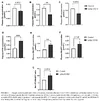
Microvascular endothelial function was assessed using FMSF, a non-invasive optical method that evaluates tissue metabolism and vascular reactivity by monitoring the fluorescence of NADH in the skin. […] The method is based on the principle that NADH is fluorescent under ultraviolet (UV) light, while its oxidized form, NAD+ , is not. Measurements were performed on the forearm. After recording baseline NADH fluorescence, transient ischemia was induced by inflating a cuff to occlude blood flow (ischemic phase), followed by reperfusion upon cuff release (hyperemic phase).

Dynamic changes in NADH fluorescence were analyzed using key FMSF-derived parameters:
ischemic response index (IR index) and maximum ischemic response (IR max), which reflect the cellular metabolic response to hypoxia;

hyperemic response index (HR index) and maximum hyperemic response (HR max), which represent endothelial nitric oxide (NO)-dependent vasodilation and reperfusion efficiency;

and reactive hyperemia response (RHR), which integrates metabolic and vascular recovery after ischemia.

Two sensitivity analyses were performed. First, participants with major cardiovascular risk factors, defined as hypertension, diabetes mellitus, hyperlipidemia, or current smoking, were excluded. Second, participants receiving cardiovascular medications at the time of blood sampling and FMSF assessment were excluded.
 
An interesting convergence has appeared in Wiley - Microcirculation.

Our hypothesis paper, published one issue earlier (e70082),

proposed a mechanistic link between redox stress, BH4/BH2 balance, NO misdirection through eNOS uncoupling, and impaired vascular resilience in Long COVID.

In their abstract, Lewandowska et al. (e70085) report altered NAD+/NADH redox status, reduced NADP levels, and associations between NR availability, microvascular function and eNOS-related parameters in Long COVID.

These are not the same observations, and the findings do not by themselves validate the proposed mechanism. However, they raise an interesting mechanistic question about whether altered cellular reducing capacity could intersect with BH4/DHFR recycling and the eNOS redox state.

Importantly, our model concerns not simply a reduction in BH4, but a progressive disturbance of the BH4/BH2 balance. This distinction matters because eNOS dysfunction involves a shift in NO handling toward oxidative rather than productive signalling; therefore, simply increasing BH4 would not necessarily address the underlying redox imbalance.

Two papers, published only about a month apart, approaching related aspects of the same problem from different directions.

Karipidis et al., Microcirculation 2026; e70082
DOI: 10.1111/micc.70082
Excellent paper, Yianni!
 
Back
Top Bottom