As I expected, the active control was not sham brain training, it was mindfulness-based stress reduction. 9 of the 13-week brain training arm was also mindfulness-based stress reduction. Unclear if the MBSR group's MBSR was stretched so that they also received a 13-week intervention to match attention or not.
So the majority of the change in SSS-8 scores was due to MBSR, since the MBSR groups scores went from 20 to 12 while usual care group's scores went from 19 to 18.
The first half of the results lists median score changes which I put in a table:

PSRT was different from MBSR and UC:
(p<0.001 for PSRT compared to both groups at all timepoints)
I presume they don't mean they were different at baseline, but at 4 weeks, 8 weeks and 13 weeks.
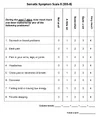
This is not surprising. The primary outcome, the SSS-8, measures how much people report being
bothered by their symptoms (see
post above), not whether they report
having symptoms, and only the PSRT group were told not to be bothered by their symptoms.
The second half of the results resorts to describing within-group statistically significant changes in secondary outcomes compared to baseline. What matters is whether the PSRT group and the MBSR group differed.
But as always, it comes down to subjective outcome measures in an open-label trial. No info in the abstract on how participants were selected, but they were signing up for a trial of mind-body interventions, so there will be bias there unless they were consecutive referrals to a general LC clinic at a centre that isn't known for its mind-body bent. And see post #48 below about entry criteria.
The participants should be assessed again at 1 year and 2 years, to see whether group differences persist.