From Austrian TV:
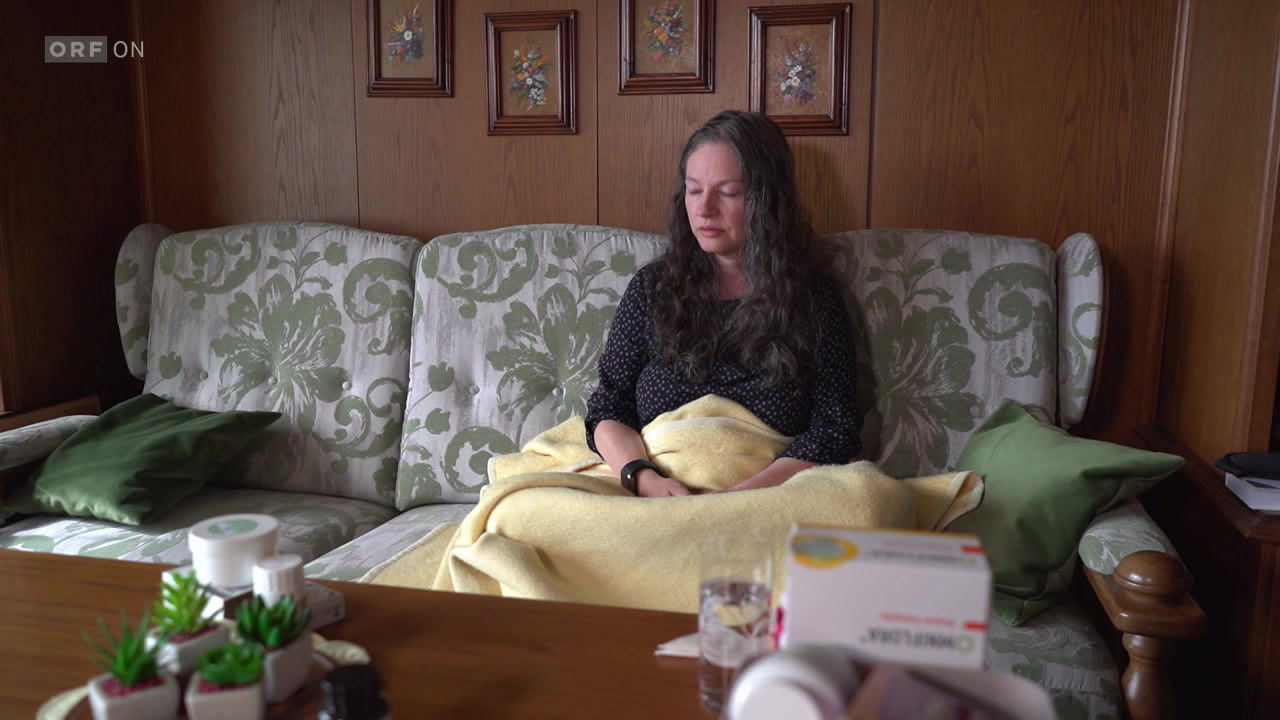
Christina S. beantragt wegen gesundheitlicher Beschwerden eine Berufsunfähigkeitspension bei der PVA, doch ihr Antrag wird abgelehnt. Als sie die zugrunde liegenden Gutachten anfordert, erhält sie diese fast vollständig geschwärzt – selbst die Zusammenfassung ihres Zustands ist kaum lesbar...

on.orf.at
From
Bluesky:
The research by
@haberhauer.bsky.social provides an occasion to discuss a sensitive area of medical assessment: symptom validity assessment. This involves determining whether symptoms are “credible.” In assessment reports, I have repeatedly encountered procedures that appear remarkably pseudoscientific.
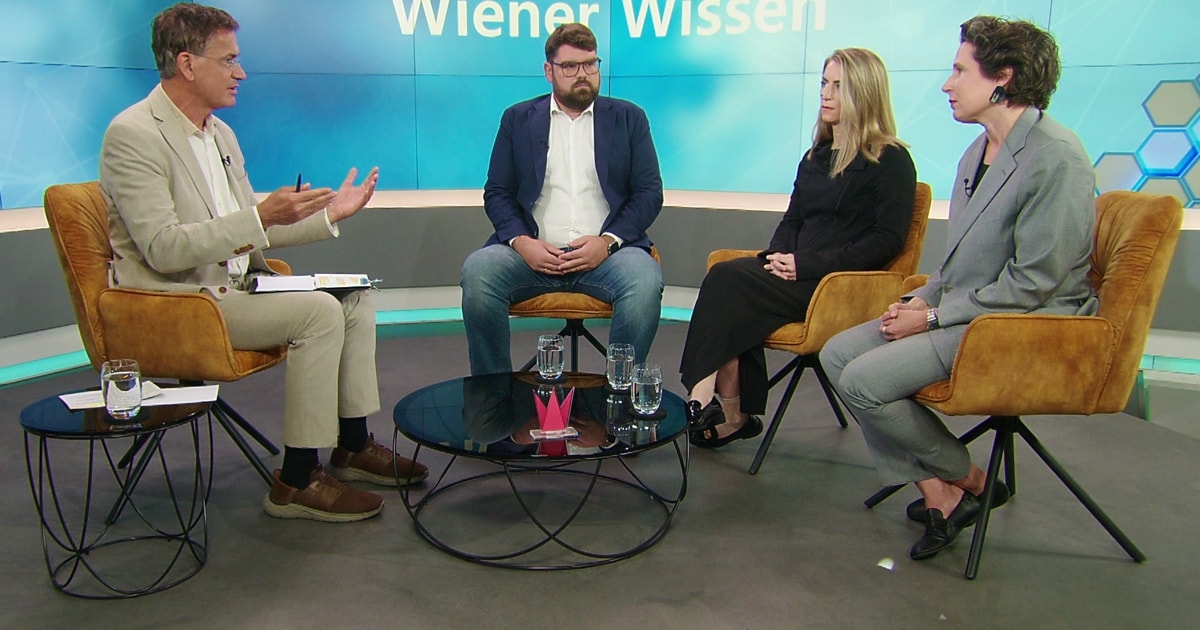
Patientenvertreter beklagen im Bereich der Begutachtungen, dass Gutachten der Pensionsversicherungsanstalt teils mit Schwärzungen versehen sind. Betroffen sind insbesondere psychologische Testungen, sagte der Obmann des Vereins ChronischKrank, Jürgen Holzinger, gegenüber APA und ORF...

www.sn.at
In the area of medical assessments, patient representatives complain that reports prepared by the Pension Insurance Institution are sometimes redacted. Psychological testing is particularly affected, among other things.
One example is the Self-Report Symptom Inventory (SRSI). Patients select from a list the symptoms that apply to them. The list includes so-called pseudocomplaints—symptoms considered unlikely. Those who report many of them may be deemed not credible.
The problem is that some of these presumed pseudocomplaints can in fact occur in ME/CFS. Examples include feeling barely able to remember anything on some days, or experiencing severe exhaustion after even minimal cognitive effort.
During symptom validation, assessors are also expected to draw on their own observations. Assessment reports then contain oddly worded statements such as: A patient yawned “several times and very noticeably.”
Or that a wheelchair was placed “demonstratively” to one side, while the patient moved around the doctor’s office “physiologically unrestricted.” Or: “When leaving the premises, the door was allowed to swing forcefully into the lock.”
Another psychiatrist notes in several reports that patients described their symptoms in a “long-winded,” “logorrheic,” or “dramatic” manner.
“She yawns several times and very noticeably,” a psychologist writes in the report concerning another patient.
This approach appears particularly problematic in the case of fluctuating disabilities, where symptoms vary and apparent inconsistencies may arise at first glance.
“In such cases, I should ask follow-up questions as an assessor,” says clinical psychologist Markus Gole.
Yet this often seems not to happen. When those affected then receive the completed reports in redacted form, they do not even have the opportunity to comment on them afterward—for example, in court.
We touched on this topic here before
Eine gemeinsame Recherche von DOSSIER, ORF und APA zeigt erstmals, wie die Pensionsversicherungsanstalt mit Anträgen von Patient·innen mit Post Covid und ME/CFS umgeht – und deutet auf Missstände in der Begutachtung hin.

www.dossier.at


www.lebenshilfe.wien