Chandelier
Senior Member (Voting Rights)
(dutch members might be able to correct me here)
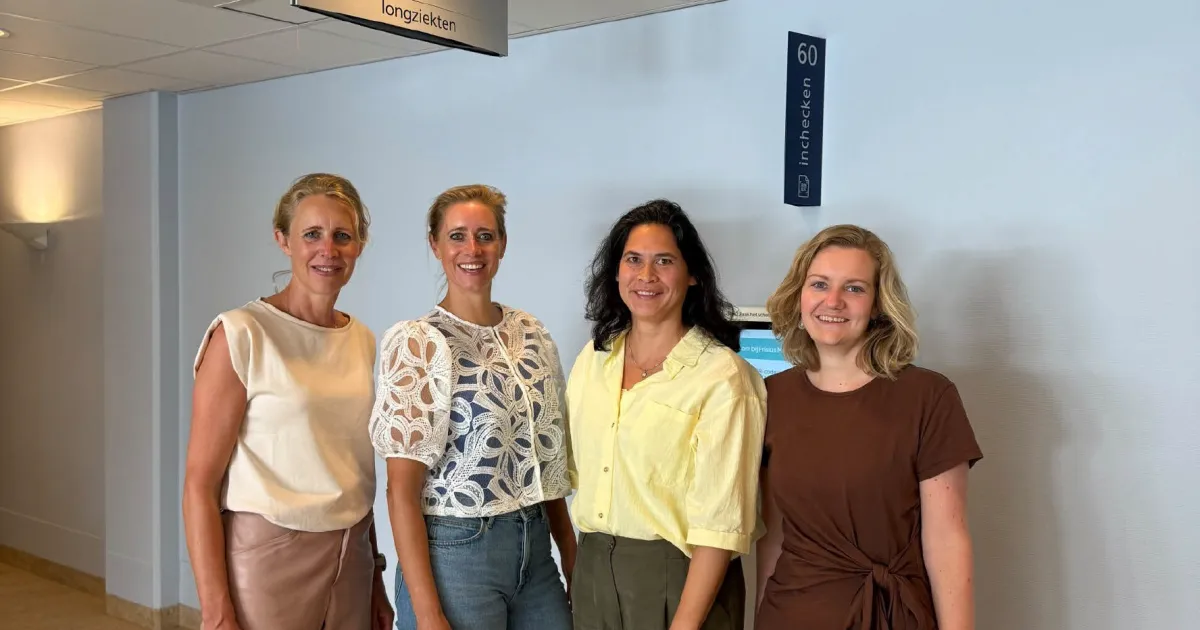
There's an upcoming study called NIMSPAKC that will be presented on a symposium on Tuesday, November 10, 2026 14:00 – 17:00
 www.frisiusmc.nl
This article is the best source about the study that I could find:
 www.nu.nl
Some machine translated excerpts:

 umcgresearch.org
Google Translate link.
There's an upcoming study called NIMSPAKC that will be presented on a symposium on Tuesday, November 10, 2026 14:00 – 17:00
Symposium: Vijf jaar post-COVID-zorg in Friesland
Wat hebben vijf jaar post-COVID-zorg in Friesland ons geleerd? Welke inzichten hebben we opgedaan, welke resultaten zijn bereikt en hoe ervaren mensen met post-COVID de zorg? En misschien nog belangrijker: hoe kunnen we met de kennis van nu de zorg voor de toekomst vormgeven? Tijdens dit...
www.frisiusmc.nl
This article is the best source about the study that I could find:
Zelfs jaren na besmetting blijft situatie van veel postcovidpatiënten uitzichtloos
Een grote groep postcovidpatiënten worstelt nog jarenlang met de nasleep van hun coronabesmetting. In een nieuw wetenschappelijk onderzoek blijkt maar 12 procent van de respondenten een jaar of drie na hun infectie (grotendeels) hersteld. Twee derde kan nog steeds niet werken of maakt minder uren.
www.nu.nl
Some machine translated excerpts:
A new scientific study from Friesland found that only 12% of respondents were largely or completely recovered approximately three years after their infection. Two-thirds are still unable to work or are working fewer hours.
Kuijvenhoven analyzed the medical records of 1,155 people in the northern Netherlands who had been diagnosed with post-COVID. On average, they first visited a post-COVID clinic in Leeuwarden, Heerenveen, or Dokkum 24 weeks after their infection. Approximately 2.5 years later, they were sent a questionnaire asking how they were doing by then.
“Only 12% said they were largely or completely recovered,” said epidemiologist Edith Visser, who also worked on the study. “Eighteen percent had actually deteriorated further. Everyone else was more or less in the same condition, although some people’s symptoms fluctuated.”
Nevertheless, these figures do not allow us to conclude with certainty that 88% of all post-COVID patients remained ill for years. This is because “only” 50.4% of the patients completed the questionnaire, said epidemiologist Frits Rosendaal of Leiden University Medical Center. He was not involved in the study but reviewed its methods and results at NU.nl’s request.
Rosendaal called it “a sound study overall,” although he regretted that only half of the patients provided feedback after 2.5 years. “It is possible that people did not complete the questionnaire because they were doing well, or conversely that they did not respond because they were doing worse. So you cannot draw conclusions about trends from this, but you can say that a substantial proportion of patients still had significant symptoms after that length of time.”
The researchers also divided the patients into four different groups based on their symptoms. In one group, for example, patients had many breathing-related complaints. In another, many experienced brain fog and concentration problems. The group with breathing difficulties had relatively the most favorable outcomes, but one in six people still had severe or very severe symptoms when they completed the questionnaire.
In the groups dominated by fatigue—although many people in the other groups also experienced fatigue—almost three in ten still had severe or very severe symptoms. People with fatigue and many additional complaints, such as muscle pain or psychosocial symptoms, rated their quality of life lowest. Half scored 0.68 or lower on a scale from 0 to 1.
Overall, 35% of respondents no longer worked. Another 30% worked fewer hours than before, while 35% were working the same number of hours as before their coronavirus infection.
NIMSPAKC-studie
De juiste zorg op de juiste plek: evaluatie, (door)ontwikkelen en bredere implementatie van Het Noordelijk Initiatief Multidisciplinaire Samenwerking voor patiënten met aanhoudende klachten na COVID-19 in een participatief actieonderzoek.
umcgresearch.org