News from The Netherlands

(dutch members might be able to correct me here)

There's an upcoming study called NIMSPAKC that will be presented on a symposium on Tuesday, November 10, 2026 14:00 – 17:00
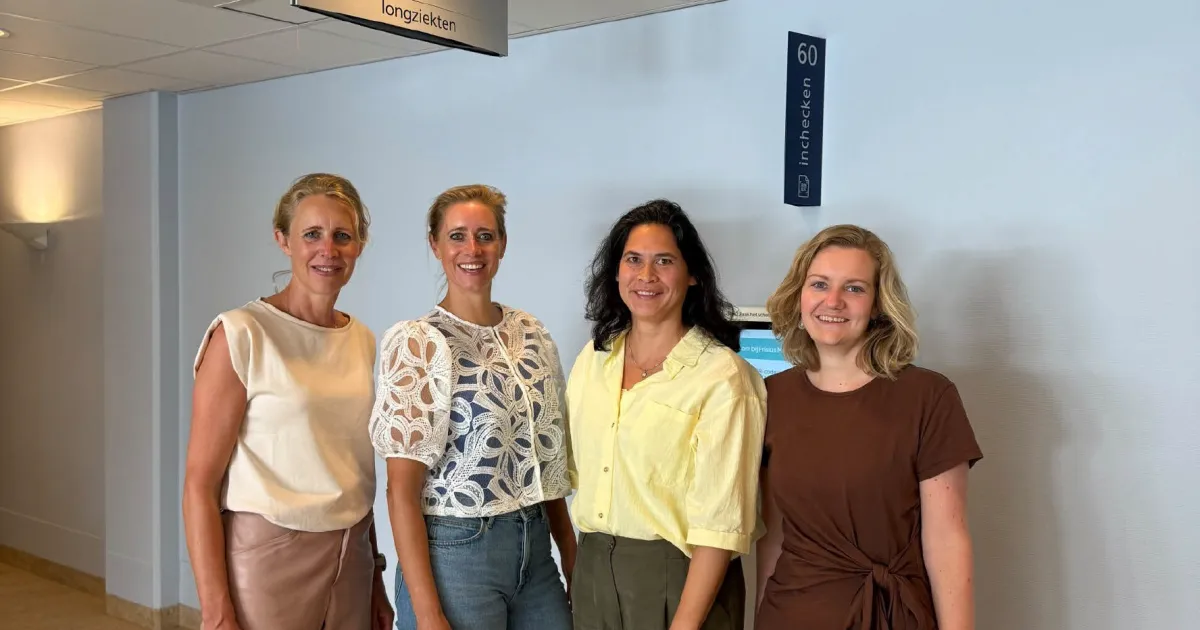
This article is the best source about the study that I could find:
Some machine translated excerpts:
A new scientific study from Friesland found that only 12% of respondents were largely or completely recovered approximately three years after their infection. Two-thirds are still unable to work or are working fewer hours.

Kuijvenhoven analyzed the medical records of 1,155 people in the northern Netherlands who had been diagnosed with post-COVID. On average, they first visited a post-COVID clinic in Leeuwarden, Heerenveen, or Dokkum 24 weeks after their infection. Approximately 2.5 years later, they were sent a questionnaire asking how they were doing by then.

“Only 12% said they were largely or completely recovered,” said epidemiologist Edith Visser, who also worked on the study. “Eighteen percent had actually deteriorated further. Everyone else was more or less in the same condition, although some people’s symptoms fluctuated.”

Nevertheless, these figures do not allow us to conclude with certainty that 88% of all post-COVID patients remained ill for years. This is because “only” 50.4% of the patients completed the questionnaire, said epidemiologist Frits Rosendaal of Leiden University Medical Center. He was not involved in the study but reviewed its methods and results at NU.nl’s request.

​

Rosendaal called it “a sound study overall,” although he regretted that only half of the patients provided feedback after 2.5 years. “It is possible that people did not complete the questionnaire because they were doing well, or conversely that they did not respond because they were doing worse. So you cannot draw conclusions about trends from this, but you can say that a substantial proportion of patients still had significant symptoms after that length of time.”

The researchers also divided the patients into four different groups based on their symptoms. In one group, for example, patients had many breathing-related complaints. In another, many experienced brain fog and concentration problems. The group with breathing difficulties had relatively the most favorable outcomes, but one in six people still had severe or very severe symptoms when they completed the questionnaire.

In the groups dominated by fatigue—although many people in the other groups also experienced fatigue—almost three in ten still had severe or very severe symptoms. People with fatigue and many additional complaints, such as muscle pain or psychosocial symptoms, rated their quality of life lowest. Half scored 0.68 or lower on a scale from 0 to 1.

Overall, 35% of respondents no longer worked. Another 30% worked fewer hours than before, while 35% were working the same number of hours as before their coronavirus infection.
Google Translate link.
 
This is because “only” 50.4% of the patients completed the questionnaire
Funny how that's never a concern when trials report the smallest possible secondary mostly inconsequential benefit that is only statistically significant, and barely at that. So funny how 100% of the random accounting errors are always in the house's favor. Not suspicious at all.

Because half of 88% is still almost half. Still a huge cause for concern, but they always have more excuses in their pockets.
 
(dutch members might be able to correct me here)

There's an upcoming study called NIMSPAKC that will be presented on a symposium on Tuesday, November 10, 2026 14:00 – 17:00

This article is the best source about the study that I could find:

Some machine translated excerpts:


Google Translate link.


Anil van der Zee @anilvanderzee.bsky.social

Almost nine out of ten people with #LongCovid do not fully recover from their symptoms. They have to learn to live with them. This is shown in a study by researchers from Frisius MC and the UMCG in Groningen. For the study, 1,200 people were followed over the past three years.
#PAIS #pwme
​

 
Cabinet apologizes to Q fever patients: 'Sent from the locker to the wall'
Twenty years after the start of the largest Q-fever epidemic in history, healthcare minister Hermans is making excuses on behalf of the cabinet. Tens of thousands of people in North Brabant became infected by infected goat farms in the area. Various commissions of inquiry, ombudsmen and doctors have since found that the government fell short of protecting the people in that region.
 
Cabinet comes up with additional research money for postcovid and wants to register seriously ill

The minister also wants to make work of a registration of patients, she writes. This is only about the group of seriously ill people, who are in bed day and night. Hermans wants to know how many PAIS patients are involved and what care they need. The Health Council has previously insisted on a registration, although the council was concerned the entire group. So far, the figures on the total number of patients are based on self-registration: they indicate that more than half a million Dutch people suffer from PAIS.
 
The article is in English.

Dutch government allowed to halt controversial Long Covid treatment, court rules​

Sunday, 11 October 2026 - 18:05

The Minister of Health may require the clinic Excellent Care Clinics (ECC) in Velsen-Noord to stop a long covid treatment in which patients inject themselves with lidocaine at home. The Noord-Holland District Court ruled this on Thursday.

There is currently no scientific evidence for this use of lidocaine. The ECC, which specializes in pain treatment, has been using it for pain relief for years. However, a new application of it that was used for the home treatment of long covid is not registered.
 
Cabinet comes up with additional research money for postcovid and wants to register seriously ill
2.8 million means; we want to look generous by spending peaenuts
500.000 patients waiting, that's not even 6 euro per patient.
 
There is currently no scientific evidence for this use of lidocaine.
Fair. True. There is no scientific evidence for any of the rehab and psychosocial crap either, though. It's the lack of consistency that ruins everything. It shows how they know what they do is wrong, they keep admitting it, but it has that "one special boy who is allowed to do everything" stink to it that makes the whole system lack credibility. Makes them a bunch of spineless hypocrites.
 
And then consider how much every patient costs the taxpayer every year..
I still don't understand how this seemingly bothers no one in a position of authority. It's pretty much literally Arrested Development economics: steal a dollar from the cash register, throw away a banana to hide it, thus losing $2 for every dollar stolen from the cash register. It's economics so dumb that even ignoring all the ethical issues should make this a no-brainer. They lose more money than even doing nothing. By choice.

It's similar to old practices of ritual sacrifices to imaginary gods, except the smiting happens anyway, so now we have the sacrifices and the smiting. Not even sure primitive people would be this dumb.
 
From Bluesky:


​
1) Good news: Felipe Correa da Silva, the researcher leading the brain tissue analysis in ME/CFS, announced that he won a new Dutch grant called "Off Road." It is intended for curiosity-driven, high risk, high reward ideas and provides up to €100.000 in funding.​
​
bafkreicuci6yle4ji6hwldpmjbtnzx7hm7pnj3suvcsql6zl26lpwr6gce
​
OCR from image:​
Felipe Correa da Silva
22 u • Bewerkt
I'm very glad to share that I have been awarded a ZonMww Off Road Grant to
explore a new direction in my research on ME/CFS neurobiology. For people living with ME/CFS, cognitive symptoms can be one of the most disabling features of the disease. With RememberME, I will explore whether hippocampal synaptic
alterations are a potential mechanism for cognitive symptoms in ME/CFS. Beyond investigating a potential biological explanation for these symptoms, I will also explore what human postmortem brain tissue can reveal about the cellular architecture underlying communication between brain regions. I hope this work can complement neuroimaging studies by providing a cellular perspective on the brain networks implicated in ME/CFS. We also plan to extend this framework to other brain regions very
soon, in close collaboration with Prof. Sonya Marshall-Gradisnikl and her team - dr.
Natalie Eaton-Fitch and dr. Etianne Martini Sasso. Very grateful to ZonMw for supporting this research, to the co-creation model that keeps my research centred on the experiences and priorities of people with ME/CFS, and to team that supervises me: Paul Lucassen, Inge Huitinga, Jörg Hamann and karel Scheepstra.
2) In this project called RememberME, Correa da Silva will explore whether hippocampal synaptic alterations are a potential mechanism for cognitive symptoms in ME/CFS.​
​
3) In addition, he will explore what human postmortem brain tissue can reveal about the cellular architecture underlying communication between brain regions. He aims to complement neuroimaging studies with a cellular perspective on the brain networks implicated in ME/CFS.​
​
4) The project includes a collaboration with Australian researchers Prof. Sonya Marshall-Gradisnikl dr. Natalie Eaton-Fitch and dr. Etianne Martini Sasso. I suspect they will try to integrate brain tissue samples with imaging data.​
​
5) This all sounds very interesting. Will keep an eye out for more public info about this project!​
​


I've been noticing pretty regular, and overall good, reporting about LC/ME/CFS from the Netherlands. Better than most other countries.


Opinion: A year after the first PAIS protest in The Hague, it is still dark
Full care is needed for patients with post-acute infectious disease (PAIS). The healthcare field cannot solve this independently without government control, and patients have had it all with their own invisibility.
 
I've been noticing pretty regular, and overall good, reporting about LC/ME/CFS from the Netherlands. Better than most other countries.


Opinion: A year after the first PAIS protest in The Hague, it is still dark

And what is good about: "Nothing has changed for the patients".
 
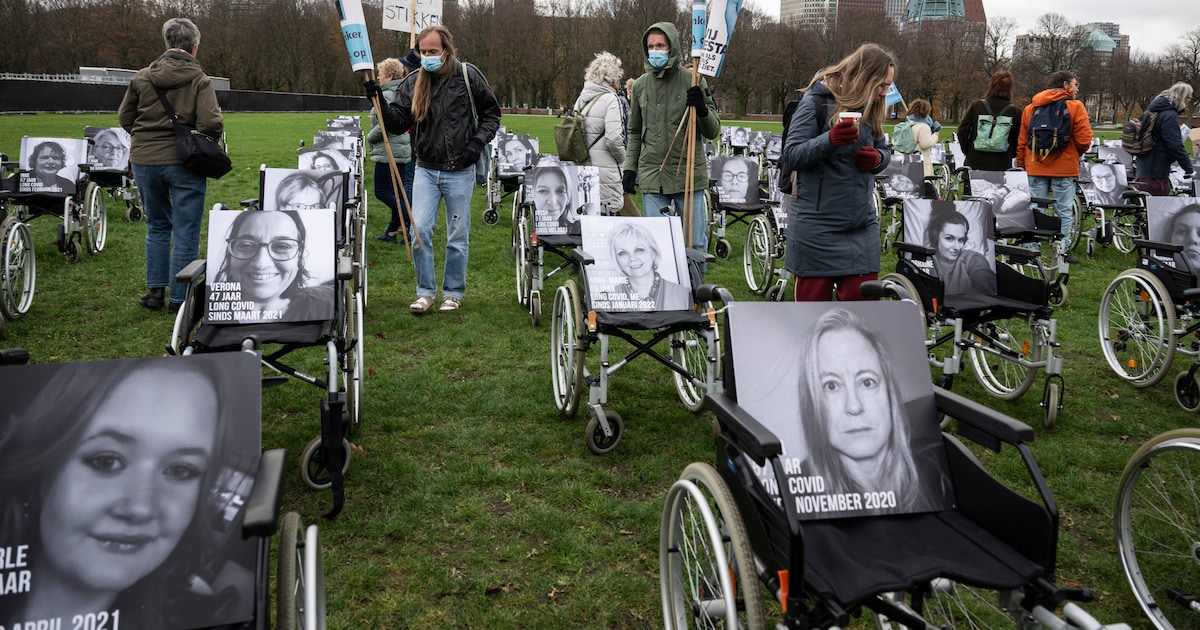
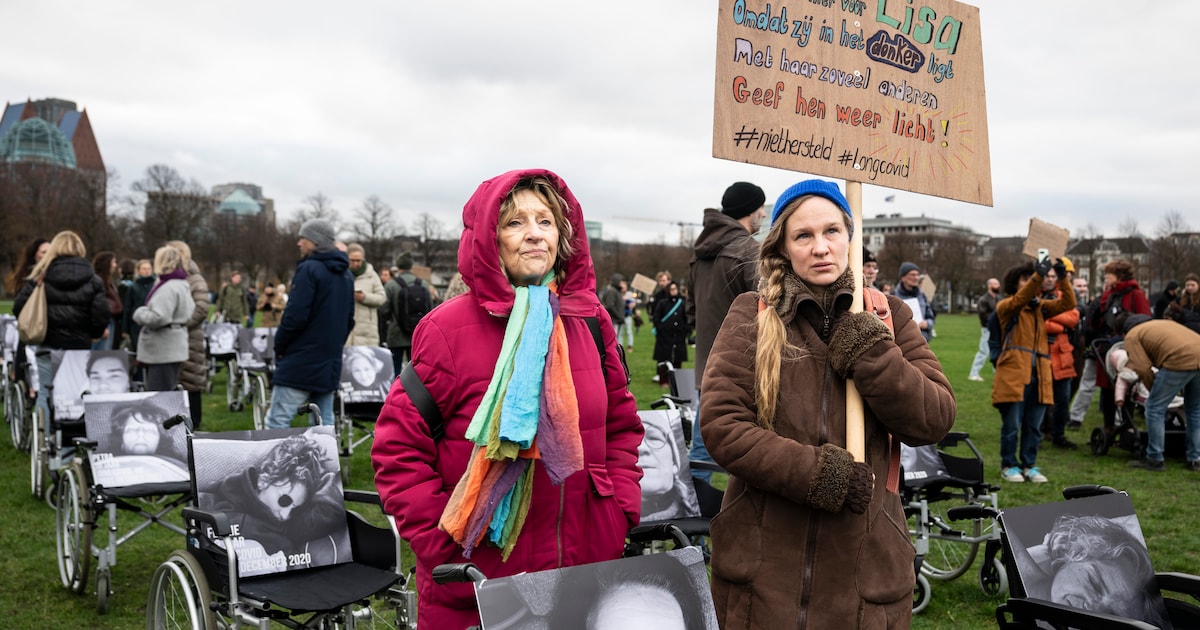
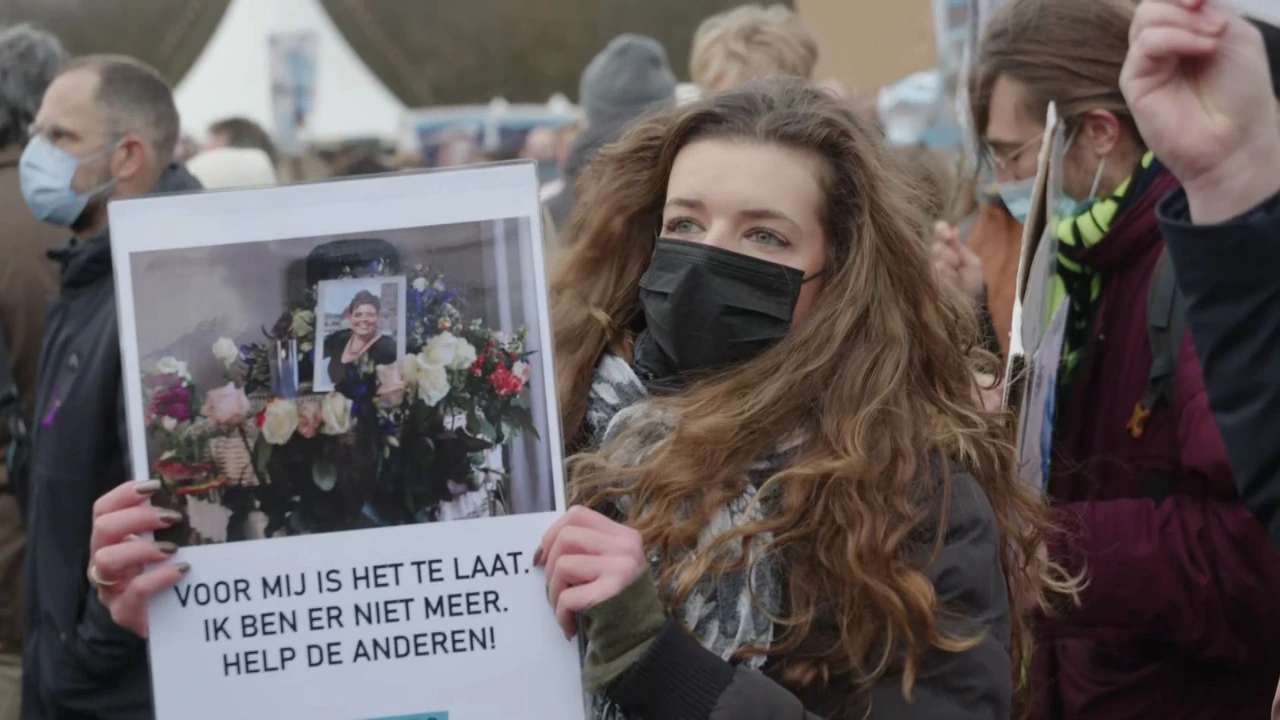
I think there is a protest event happening today. I saw several articles. Translation not working very well...


Doctors critical of lung covid policy Minister Hermans: 'Funest for patient trust'
General practitioners, medical specialists and scientists are cracking down on the plans of healthcare minister Sophie Hermans for patients with lung covid and similar conditions such as ME and Q fever. The minister wants to drastically reduce the financing of the lung covid expertise centres and at the same time largely put the responsibility of care back on GPs.


Doctors sound the alarm over plans Minister Hermans for lung covid patients
General practitioners, medical specialists and scientists express firm criticism of the plans of care minister Sophie Hermans for patients with lung covid and similar conditions, such as ME and Q fever. The Minister wants to significantly reduce the financing of specialised lung covid centres and largely bring the care back to general practitioners. According to doctors, that comes far too early, reports the NOS.
 
I think there is a protest event happening today. I saw several articles. Translation not working very well...


Doctors critical of lung covid policy Minister Hermans: 'Funest for patient trust'


Doctors sound the alarm over plans Minister Hermans for lung covid patients

GP's need information from specialists, specialists don't know anything and LC clinics are closing, because they were not effective
The minister is has no money to spend, so for patients everything stays the same, no matter who is doing the protesting.
 
Not sure which organization this is, or how influential, a letter to the health minister from GPs. (found on Xitter).
Dear Minister Hermans,

With this letter, we wish to draw attention to the consequences that scaling down the current support for people with post-COVID may have on regular general practice care.

People with post-COVID often experience long-term and complex health issues. When existing support structures, expertise, and specialized facilities disappear before sufficient alternatives are available, it is obvious that a larger portion of these patients will turn to their general practitioner (GP) once again for help and guidance. As a result, the pressure on general practice care will increase, and these patients will not receive appropriate care.

General practitioners remain dedicated to providing care for all their patients, including people with post-COVID and other Post-Acute Infection Syndromes (PAIS). In this regard, it is crucial that GPs are able to offer high-quality care in accordance with guidelines—no different than for other chronic and complex conditions. At present, the necessary preconditions for this are still insufficiently secured.These preconditions include, among others:
  • suitable referral and consultation options;
  • access to specialist expertise in secondary and tertiary care;
  • adequate funding for necessary care;
  • further development and safeguarding of knowledge regarding post-COVID/PAIS.
As long as these preconditions have not been sufficiently met, there is a risk that patients will not end up in the right place and will not receive suitable care. A problem for GPs in this situation is that they will be faced with patient expectations that do not align with what can be justified based on available knowledge and professional standards.

We advise general practitioners to adhere to professional guidelines and to exercise caution regarding interventions that lack sufficient scientific substantiation. This also applies to prescribing treatments or medication not included in current professional guidelines. Incidentally, the current multidisciplinary guideline is currently under revision and will be delivered modularly in the coming period.

We therefore urge you to ensure that the aforementioned necessary preconditions for the sustainable integration of post-COVID care into regular care are established first, before taking other measures. Only in this way can post-COVID patients continue to count on appropriate care, and only then can general practitioners take responsibility within the boundaries of high-quality, evidence-based general practice care. Naturally, we remain open to further discussions with you on this matter.

Sincerely,

Raymond Wetzels
Chair of the Board of Directors

Lammert Hoeve
Board Member, LHV

Hedwig Vos
Professor of General Practice Medicine, LUMC, University Network for General Practice

Barbara de Doelder
Vice-Chair of the Board, InEen
 
Back
Top Bottom