The buspirone challenge test clearly distinguishes ME/CFS patients from healthy controls: why is it not being developed and deployed?

I don’t want to derail, but LDN raised my prolactin quite high into the high 40s. I washed out for 6 months, took a test before challenge again, was around 20. Started LDN and my prolactin went once again into the high 40s when I tested a month later. I’ve tested since and multiple times now hover around 20.

I noticed due to sexual side effects, nipple sensitivity , and hair loss. There is lots and lots of anecdotal post on the FB page LDN for me/cfs of hair loss but no one checks prolactin. They just stop the meds.
 
I don’t want to derail, but LDN raised my prolactin quite high into the high 40s. I washed out for 6 months, took a test before challenge again, was around 20. Started LDN and my prolactin went once again into the high 40s when I tested a month later. I’ve tested since and multiple times now hover around 20.

I noticed due to sexual side effects, nipple sensitivity , and hair loss. There is lots and lots of anecdotal post on the FB page LDN for me/cfs of hair loss but no one checks prolactin. They just stop the meds.
This is so interesting. Before ME/CFS for 8 years I had no reaction to antidepressants in the form of hyperprolactinemia. When I take a very moderate dose of Trazodone and/or Quetiapine for insomnia now (after the onset of ME/CFS), I turn into a milk farm immediately.
 
Pasting some of the data here. All small studies but with major effects.

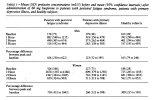
Bakheit et al. 1992 (Behan group from Glasgow)
15 patients with postviral fatigue syndrome, split per sex: 9 men and 6 women.
60mg buspirone
Peak value for prolactin increased 4-7 fold in patients compared 1.2-3 fold in controls.
1778850034032.png
Possible upregulation of hypothalamic 5-hydroxytryptamine receptors in patients with postviral fatigue syndrome - PubMed

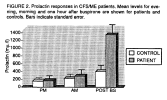
John Richardson 1995
30 ME/CFS patients, 5 males and 25 females
50mg buspirone
Mean ratio of prolactin in patients was more than 3 times that of their familial controls
1778850371123.png
Disturbance of Hypothalamic Function and Evidence for Persistent Enteroviral Infection in Patients with Chronic Fatigue Syndrome: Journal Of Chronic Fatigue Syndrome: Vol 1, No 2

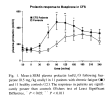
Sharpe et al. 1996
11 male ME/CFS patients (they found females to have more variability in prolactin)
0.5 mg/kg buspirone up to a maximum of 45 mg
Prolactine more than double in patients, effect decreases after 1.5 hour
1778850517005.png
Increased prolactin response to buspirone in chronic fatigue syndrome - PubMed

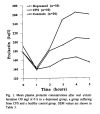
Cleare et al. 1995
10 ME/CFS patients
30 mg d-fenfluramine (but buspirone)
Stronger increase in patients, especially after 3 ours
1778850673432.png

Contrasting neuroendocrine responses in depression and chronic fatigue syndrome - PubMed

The other study mention is a case report on only 1 patient, claiming the prolactin release returned to normal once the patient had recovered from ME/CFS.
Recovery from chronic fatigue syndrome associated with changes in neuroendocrine function - PMC
 
@Jonathan Edwards
Do you think the endocrinologists at UCL would be interested?

I think maybe the chief interest is neurological.
Of interest to the groups already involved.
I'm very confused about why this was not pursued further for the past 30 years.

I think it probably reflects the tunnel vision of almost all research groups working on ME/CFS around 2000. People were looking at viruses or mitochondria or, if psychiatrists, looking for a link with depression and 5HT. When ME/CFS did not fit their preconceptions attention was diverted to the money from the Department of Work and Pensions.

The contrast with depression is particularly striking.
 
This would be an interesting study to try to replicate. One important thing to measure would be plasma concentration just to determine whether the drug is metabolized at the same rate. From a quick search, seems pretty well established that CYP3A4 inhibitors substantially increase plasma concentration.


In addition to a laundry list of somewhat common medications, CYP3A4 is also sensitive to several cytokines

If this prolactin difference is validated but the drug metabolism is normal, that would be an indication to look further at something like the hypothalamus. If plasma concentrations are substantially different, that would be a big clue on its own.
 
Sharpe et al. 1996
11 male ME/CFS patients (they found females to have more variability in prolactin)
0.5 mg/kg buspirone up to a maximum of 45 mg
Prolactine more than double in patients, effect decreases after 1.5 hour
1778850517005.png
Is there a valid reason here to not include females?
Or seek and do not want to find?
 
One important thing to measure would be plasma concentration just to determine whether the drug is metabolized at the same rate. From a quick search, seems pretty well established that CYP3A4 inhibitors substantially increase plasma concentration.
The last study posted above, Cleare et al, 1995, got the same result with a different serotonin agonist, d-fenfluramine, so maybe that makes it less likely to be about drug metabolism?
 
Last edited:
Back
Top Bottom