This is an interesting subject in a broader sense.
I remember years ago there was sentiment that humanity has never been healthier in history due to nutrition, medicine, and technology, but there remains relatively high rates of medically unexplained physical symptoms, so we must therefore adopt a biopychosocial or psychosomatic understanding, because, pressures of modern life, or whatever. Probably add in junk food and increased sedentary behaviours too.
But I frequently spotted science news articles about the effects of low dose toxins in the environment, the increased risk of various diseases, the effects on gut health and hormones, and how the wombs of pregnant women are 'awash' in a large number of chemicals which might be affecting embryonic development on some subtle level even if not causing birth defects.
The safety levels of some toxins have been revised down over time as scientists discovered that previous thresholds were too high. Surely the risk would reflect a dose-response relationship?
I think
@forestglip provides a good analogy: The basement is flooded, but there has been more concern with finding a work around than looking in all places for the leak.
What made me revisit the issue recently was knowing someone with Parkinson's disease who lives very close to a golf course. For example:

www.parkinson.org
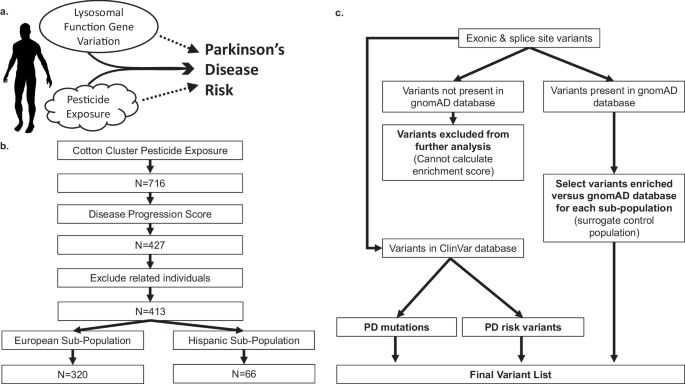
Parkinson’s disease (PD), the second most common neurodegenerative disorder, develops sporadically, likely through a combination of polygenic and environmental factors. Previous studies associate pesticide exposure and genes involved in lysosomal function with PD risk. We evaluated the frequency...

www.nature.com
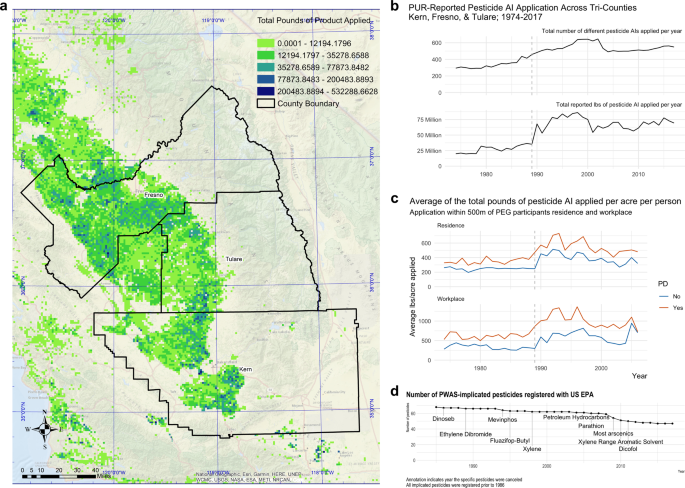
Parkinson’s disease (PD) is linked to environmental factors. Through quantitative epidemiology, this study ties 53 pesticides to PD. An innovative human stem cell platform revealed that 10 of these were directly toxic to human dopamine neurons.
www.nature.com
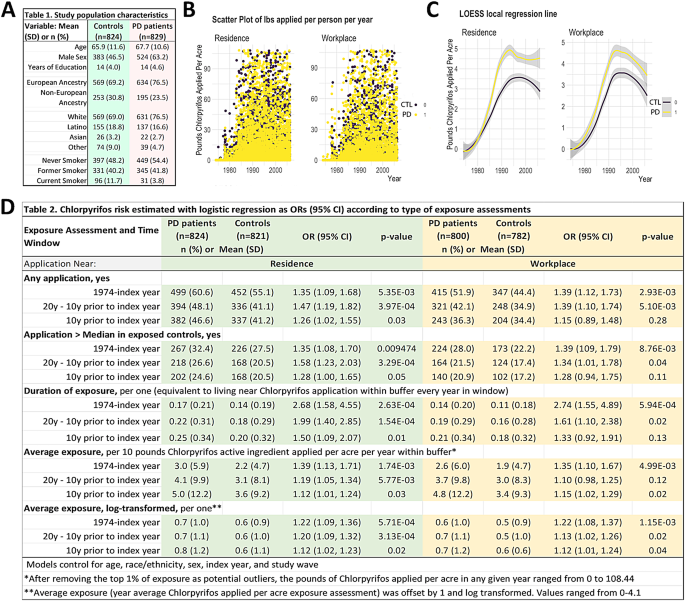
Background Pesticides as a class have been associated with an increased risk of Parkinson’s disease (PD), but it is unclear which specific pesticides contribute to this association and whether it is causal. Since chlorpyrifos (CPF) exposure has been implicated as a risk factor for PD, we...

link.springer.com
Obviously it is premature for advocates to be promoting environmental toxins as a common etiological factor in ME/CFS but I would donate to large scale epidemiological research into this possibility.