Impact of cortisol on buspirone stimulated prolactin release: a double-blind placebo-controlled study, 2001
There's a 2014 study that did not replicate the finding that people with depression have a lower prolactin response to a buspirone challenge than healthy controls.
There are probably quite a number of ways that the various CFS studies could have been confounded e.g. time of day, time in menstrual cycle, medications.
I find it hard to believe that some of the characters involved in these studies would have left the idea on the table if a higher prolactin response was truly reliably found in CFS. Still, it would be good to know for sure. Thanks to @forestglip for contacting the researchers.
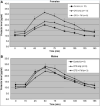
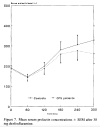
There's a paywall, but it looks like they found that lower cortisol at baseline produced a higher prolactin response. So, it's possible that the finding of higher prolactin response in CFS was partly the result of, on average, lower cortisol levels in ME/CFS that were a result of a quieter lifestyle.This study clearly demonstrates that the PRL response to buspirone is negatively correlated with the baseline cortisol level on the day of testing.
There's a 2014 study that did not replicate the finding that people with depression have a lower prolactin response to a buspirone challenge than healthy controls.
However, recent studies of neuroendocrine responses to 5-HT1A receptor agonists in MDD have been inconsistent (Navinés et al., 2007, Savitz et al., 2009) and the postsynaptic 5-HT1Areceptor desensitization in depression has been questioned. The divergent findings may be partly related to methodological differences including sample sizes, selection criteria for illness chronicity, unmatched groups, sex, age, time of challenge, hormonal procedures, suicidality, pharmacotherapy, wash-out procedure, etc.
These results indicate no consistent changes in the hormonal response to the 5-HT1Aagonist buspirone in major depression. Taken into account the interpretation of the buspirone test the present study does not support the hypothesis of an altered functional activity with down-regulation of the postsynaptic 5-HT1A receptor and/or in the postsynaptic receptor signal transduction in the hypothalamus in the pathogenesis of MDD.
There are probably quite a number of ways that the various CFS studies could have been confounded e.g. time of day, time in menstrual cycle, medications.
I find it hard to believe that some of the characters involved in these studies would have left the idea on the table if a higher prolactin response was truly reliably found in CFS. Still, it would be good to know for sure. Thanks to @forestglip for contacting the researchers.